What Does FOB Stand For in Shipping? A Clear 2026 Guide
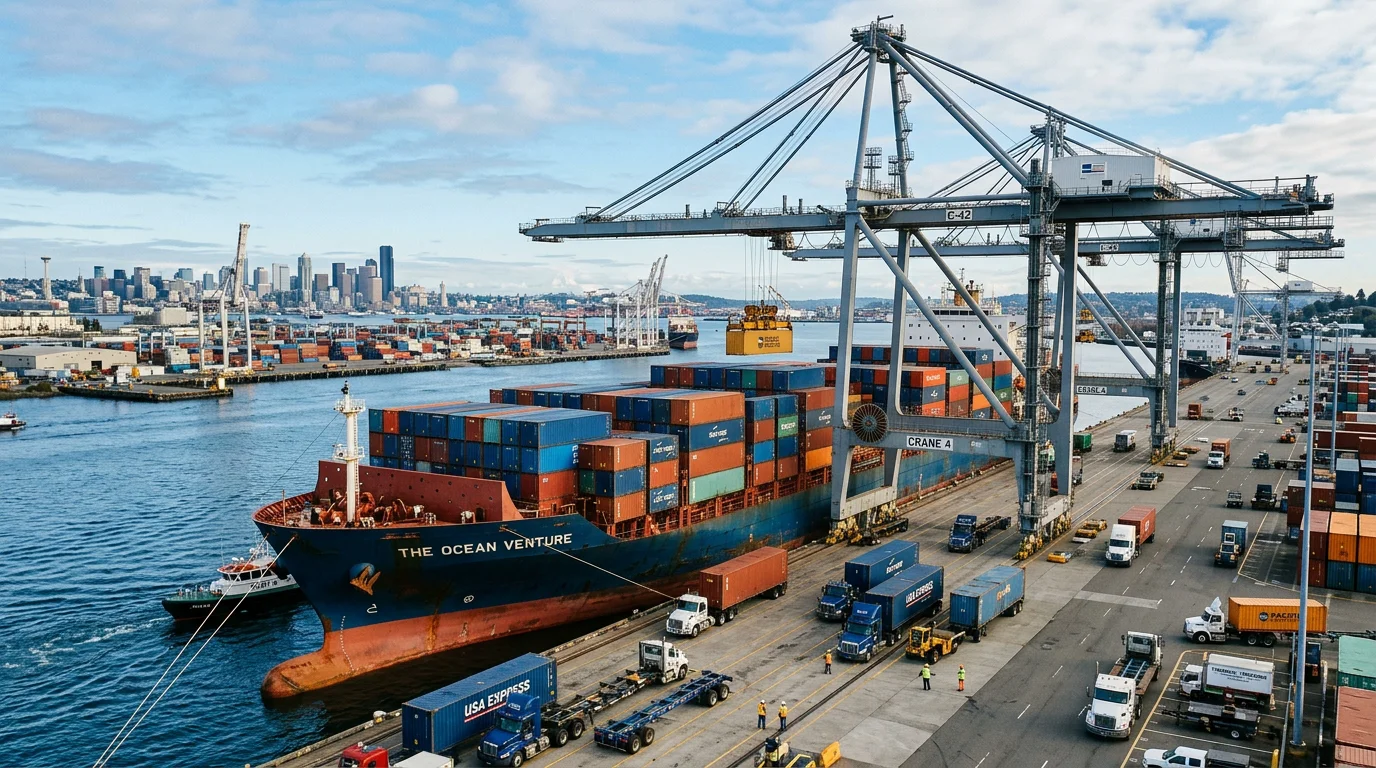
Summary: FOB stands for “free on board,” a shipping term that fixes the exact point where responsibility, cost, and risk move from the seller to the buyer. Under Incoterms 2020, that point is when goods are loaded on board the vessel at the named port. In North American domestic trade, FOB Origin and FOB Destination carry a related but distinct meaning.
Every purchase order, freight quote, and sales contract hides one small acronym that can decide who pays for a damaged pallet. If you have ever asked yourself what those three letters actually govern, our explainer on what FOB means is a useful companion to this guide. The stakes are not academic: the party named in the term carries the financial risk the moment something goes wrong in transit.
So, what does FOB stand for in shipping, and why does it shape your margins? FOB means “free on board,” and it defines the precise handover of ownership, freight charges, and liability between a seller and a buyer. According to Trade Finance Global, it remains one of the most widely used trade terms, yet it is frequently written into contracts without any reference to a specific rule set.
The meaning of FOB, spelled out
FOB is the abbreviation for “free on board.” It is a designation that tells everyone in the transaction when the seller stops being responsible and the buyer takes over. The concept sounds simple, but the exact transfer of risk depends on which framework you apply.
In international ocean trade, the reference is the Incoterms rules published by the International Chamber of Commerce. Maersk notes that FOB refers specifically to cargo carried by sea or inland waterway, and it should not be confused with truck or air equivalents. When a contract reads “FOB Shanghai,” the seller delivers the goods on board a vessel at that port, and the buyer assumes the risk from that moment forward.
Where risk and cost actually transfer
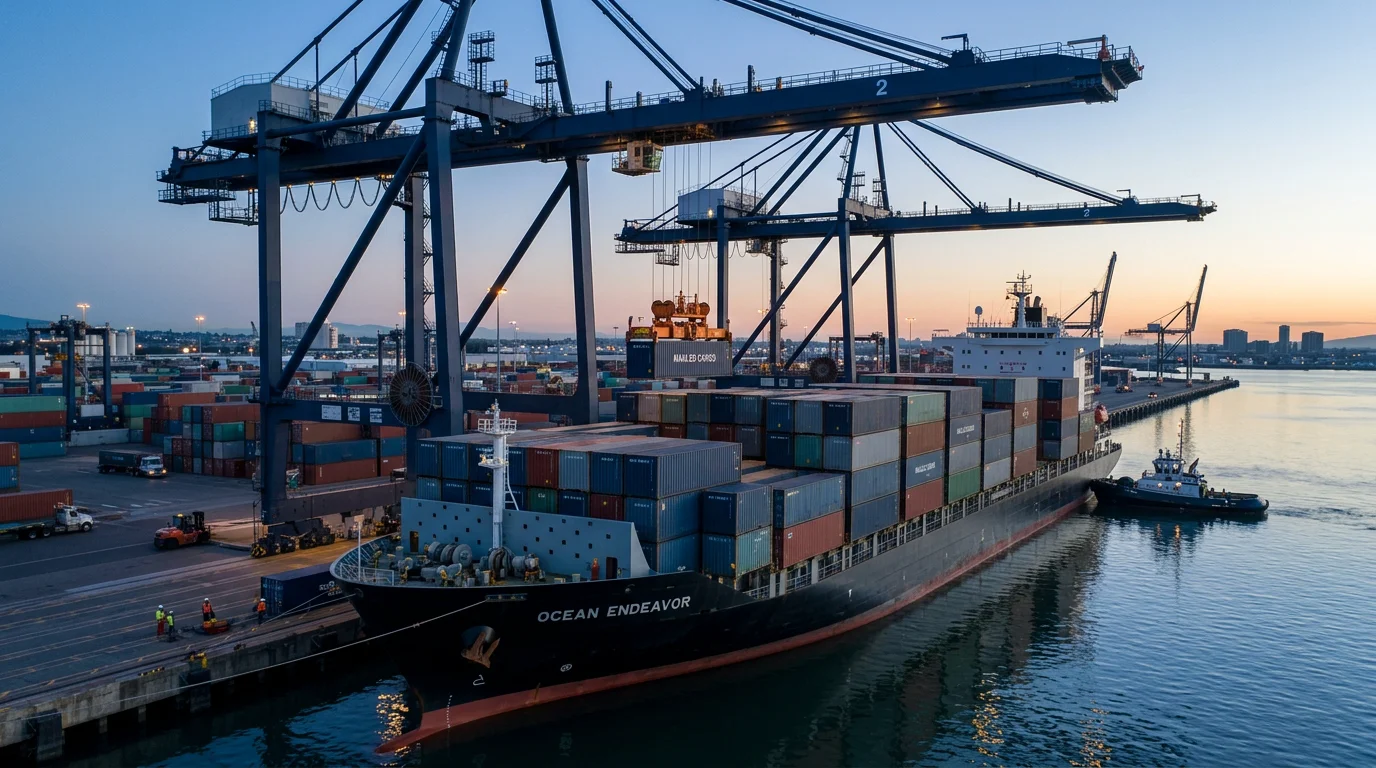
Picture a shipment leaving a factory in Shenzhen bound for Los Angeles. Under FOB, the seller pays to bring the goods to the origin port, clears them for export, and loads them onto the vessel. From that instant, the buyer pays for ocean freight, marine insurance, unloading, import duties, and final delivery.
The handover has become more precise over time. Trade Finance Global explains that “on board” is no longer defined as goods crossing the ship’s rail, a phrase dropped in the 2010 revision, so the contract itself should specify what loading means for the cargo in question. This matters because a vague definition of the loading point is exactly where disputes over a damaged consignment begin. If you are importing from a Chinese supplier, our breakdown of FOB Incoterms walks through each responsibility in order.
FOB Origin versus FOB Destination in the US
Within the United States, domestic sales agreements use FOB in a way that differs from the international standard. Here the term splits into two familiar variations that determine when the sale is considered complete and who owns the goods in transit.
- FOB Origin (also called FOB shipping point): responsibility passes to the buyer the moment the carrier collects the goods at the seller’s dock.
- FOB Destination: the seller keeps responsibility until the goods arrive at the buyer’s location and delivery is completed.
Each variation is then paired with a payment term. “Freight prepaid” means the seller pays the carrier; “freight collect” means the buyer pays. The two questions, who owns the risk and who pays the bill, are separate and should both be stated on the paperwork.
| Criterion | FOB Origin (Shipping Point) | FOB Destination |
|---|---|---|
| Risk transfers | At pickup from seller | On delivery to buyer |
| Transit responsibility | Buyer | Seller |
| Files freight claims | Buyer | Seller |
| Typical user | Manufacturers | High-value goods sellers |
For sellers weighing the accounting impact of each option, our comparison of FOB shipping point and destination shows how the choice affects landed cost.
How FOB compares to CIF, FCA, and EXW
FOB rarely stands alone. Importers usually compare it against three neighbors before signing a supplier quote, because each shifts the balance of cost and control.
- EXW (Ex Works): the buyer assumes almost every transport responsibility, starting at the seller’s facility.
- FCA (Free Carrier): risk transfers when goods are handed to the carrier at a named place, which suits containerized and multimodal cargo better.
- CIF (Cost, Insurance and Freight): the seller pays freight and insurance to the destination port before risk transfers.
FOB is often attractive to buyers because it hands them control of the main carriage while keeping the seller accountable through loading. That balance is why it remains a default for many ocean shipments across the American import market.
The container trap most importers miss
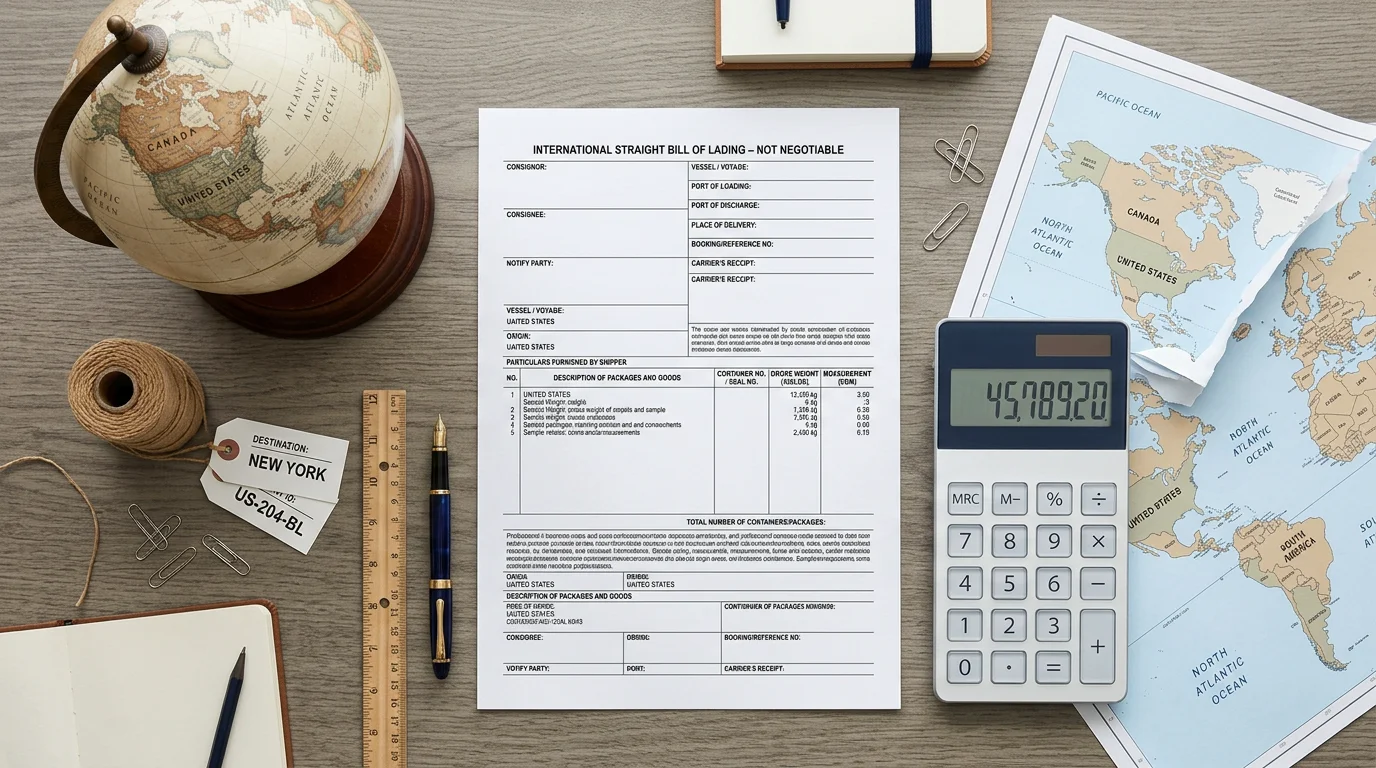
Here is a nuance that catches many buyers off guard: FOB was designed for an era of bulk cargo and open decks, not sealed boxes. Shipping Solutions points out that because most goods now move through container yards rather than directly to a named vessel, FOB is best suited to a limited set of situations, and FCA is often the cleaner choice for containerized freight.
The reason is a gray zone. A container is typically delivered to a terminal days before it is loaded, so if damage occurs during that gap, responsibility can be unclear under FOB. Confirming loading definitions and choosing the right term protects your shipment before it ever reaches the water. When you are locking in supplier terms, our guide to negotiating FOB terms can help you avoid these traps.
Which FOB framework applies to your shipment in 2026
Terminology drifts, so it helps to confirm the current reference point. GoFreight reports that Incoterms 2020 remains the version in force in 2026 and is expected to run through 2029, with the ICC signaling Incoterms 2030 as the next revision. The FOB rule text itself has not changed since September 2019.
Because the domestic North American meaning and the international Incoterms meaning diverge, the safest practice is to name the standard explicitly, for example “FOB Los Angeles (Incoterms 2020).” A single line of clarity on the contract prevents the kind of dispute that surfaces only after a shipment has been damaged or delayed.
Putting FOB to work for your business
Understanding what FOB stands for in shipping is ultimately about knowing who carries the risk, who pays the freight, and at what exact moment the handover happens. Treat every FOB clause as a decision rather than a formality: confirm the port, define what “loaded on board” means, name the Incoterms version, and separate the ownership term from the payment term. Doing so turns three small letters into a clear allocation of cost and responsibility, protecting your margins from the first pallet to the final delivery.
Take action with QG Horizon
Knowing the theory is one thing; moving your goods from a Chinese factory to an Amazon warehouse without customs delays is another. If you sell on Amazon FBA and want the risk and paperwork handled from origin to destination, we can take that weight off your desk.
As a freight forwarder specialized in Amazon FBA shipping from China, we manage collection at your supplier, DDP customs clearance with duties and taxes included, and delivery to the warehouse, with real-time WhatsApp tracking and a quote in 24 hours. Explore our DDP Amazon FBA shipping services to compare air, express, sea, and rail routes and save an announced 10 to 20 percent per shipment.
Frequently Asked Questions
Does FOB mean “free on board” or “freight on board”?
FOB officially stands for “free on board.” While “freight on board” is sometimes used informally, it is not recognized by Incoterms or the Uniform Commercial Code, so it is best avoided in contracts to prevent confusion.
Under FOB, who pays for the ocean freight?
In the international Incoterms meaning, the buyer pays for ocean freight, insurance, and onward transport once the goods are loaded on board. The seller only covers the costs of getting the goods to the port and loading them.
Is FOB suitable for container shipments?
FOB was designed for bulk and non-containerized cargo. For sealed containers delivered to a terminal in advance, FCA is often the better fit because it removes the responsibility gray zone before the container is loaded onto the vessel.
What is the difference between FOB Origin and FOB Destination?
FOB Origin transfers risk to the buyer at pickup from the seller’s dock, while FOB Destination keeps the seller responsible until delivery is completed at the buyer’s location. The two also differ in who typically files freight claims.
How can QG Horizon help me handle FOB shipments from China?
We manage the full journey from your supplier to the Amazon warehouse in DDP mode, so duties and taxes are included and customs delays are minimized. You receive three route options with prices and estimated transit times within 24 hours, plus real-time updates via WhatsApp.
Ready to Optimize Your Amazon Shipping?
Get 3 route options tailored to your products and timeline
Get Your Quote→