What Is Customs Clearance and How It Works for Amazon FBA

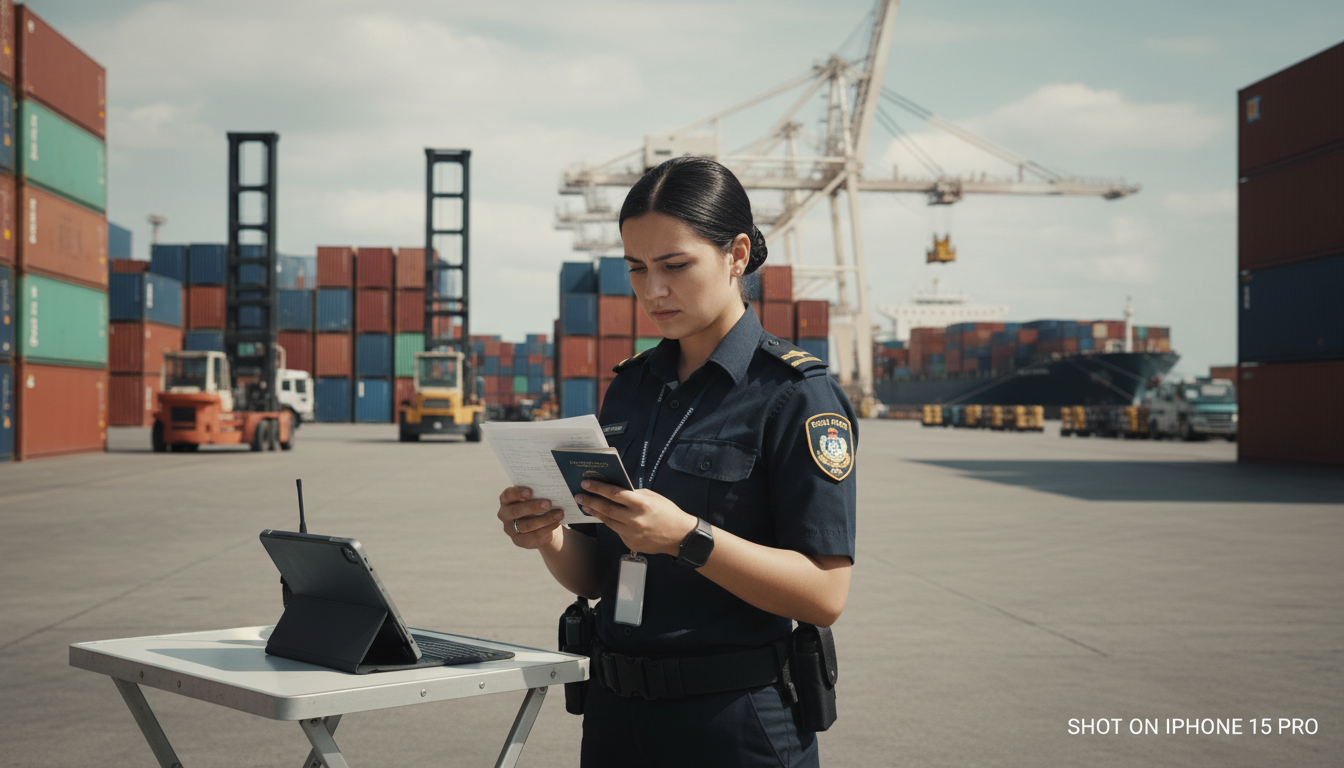
Navigating the complexities of international shipping can feel like walking through a minefield for Amazon FBA sellers. One misstep, and a shipment could be delayed at customs, costing time and money. But what exactly is customs clearance, and why is it pivotal for a successful e-commerce operation? Understanding customs clearance is not just a regulatory requirement; it’s a strategic advantage that can streamline logistics and enhance profitability. This article will demystify customs clearance, detailing its essential role in the import process for Amazon FBA sellers and providing actionable insights to ensure smooth operations.
What Is Customs Clearance?
Customs clearance is a crucial process for Amazon FBA sellers, enabling the legal importation of goods into a destination country. It requires obtaining permission from customs authorities, which ensures that products comply with local laws and regulations before entering the market.
Key components of customs clearance include:
- Documentation Verification: Customs authorities examine shipping documents to confirm that all required paperwork is complete and accurate. This includes bills of lading, commercial invoices, and packing lists.
- Compliance Checks: Authorities verify that the imported goods comply with various regulations, such as safety standards and tariff classifications. This helps prevent the entry of prohibited items and ensures adherence to international trade laws.
- Duty and Tax Assessment: Customs calculates applicable duties and taxes based on the product’s classification and value. Sellers must be prepared to pay these fees to facilitate the clearance process.
- Inspection: In some cases, shipments may be subject to physical inspection by customs agents to ensure that the actual goods match the provided documentation.
Failing to navigate customs clearance effectively can lead to delays, fines, or even confiscation of goods, making it imperative for Amazon FBA sellers to understand and adhere to the customs procedures relevant to their shipments.
Steps Involved in Customs Clearance
The customs clearance process for Amazon FBA involves several critical steps that sellers must navigate to ensure their shipments comply with regulations and arrive at fulfillment centers without delays. The key stages include:
- Pre-Clearance Preparation
- Sellers must gather all necessary documents, including commercial invoices, packing lists, and bills of lading.
- It is vital to ensure compliance with customs regulations specific to the destination country, which may include product restrictions and required certifications.
- Customs Declaration Submission
- A customs declaration must be filed with the appropriate authorities, detailing the shipment’s contents and value.
- Accurate product information, including Harmonized System (HS) codes, must be provided to facilitate correct duty assessments and prevent misclassification delays.
- Inspection and Approval
- Customs authorities may conduct inspections to verify that shipments match the provided documentation and comply with regulations.
- After inspection, goods may either receive approval for clearance or face additional requirements, such as further documentation or re-inspection.
By following these steps, Amazon FBA sellers can streamline their customs clearance process, reducing the risk of delays and ensuring compliance with local regulations.
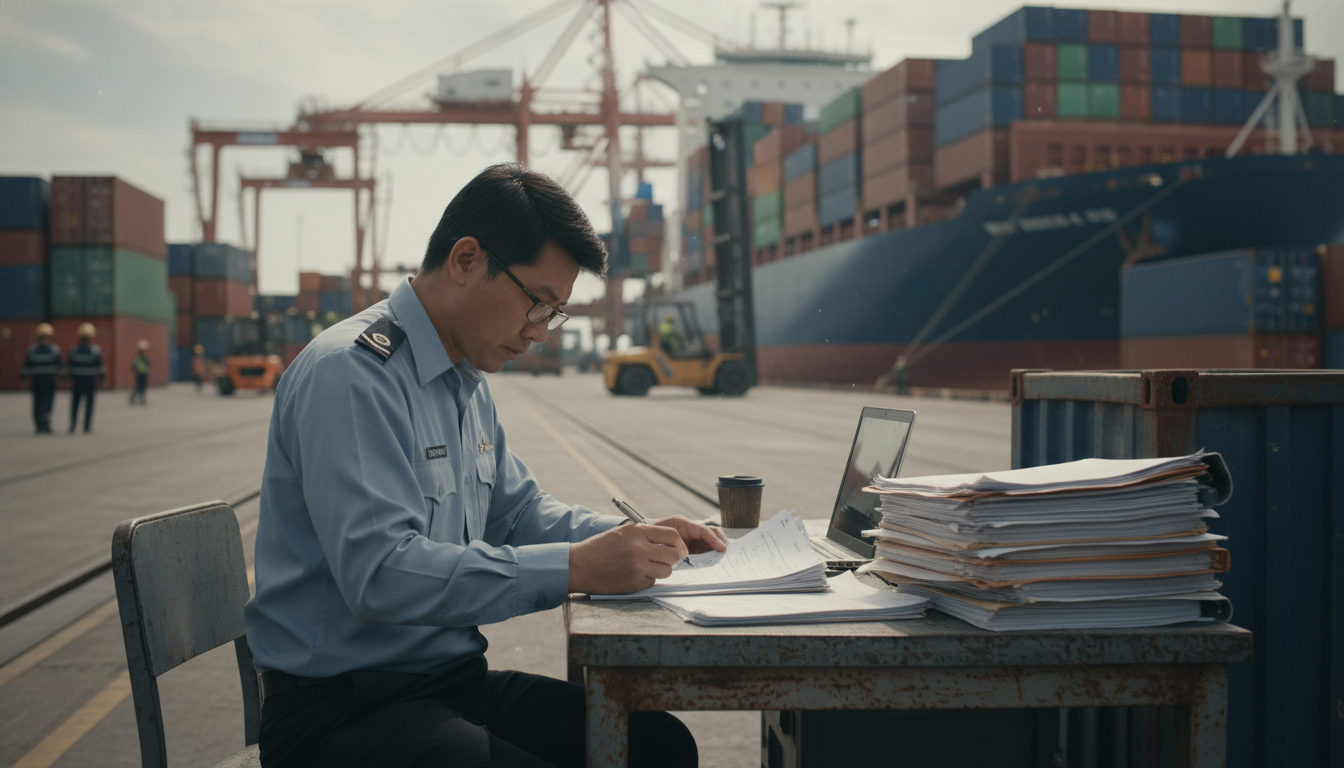
Required Documentation for Customs Clearance
For Amazon FBA sellers, understanding the required documentation for customs clearance is essential to ensure smooth and timely delivery of goods. The following documents are critical in the customs clearance process:
- Bill of Lading: This document serves as proof of shipment and acts as a contract between the shipper and the carrier. It provides essential information about the shipment, including the destination, shipping route, and the parties involved.
- Commercial Invoice: The commercial invoice details the transaction between the seller and the buyer. It includes important information such as the price, product descriptions, quantities, payment terms, and the total value of the shipment. This document is crucial for customs authorities to assess duties and taxes.
- Packing List: The packing list provides a detailed breakdown of the items included in the shipment. It assists customs officials during inspections by outlining the contents, dimensions, and weight of each package. An accurate packing list helps prevent delays due to discrepancies between the shipment and the accompanying documentation.
- Other Supporting Documents: Depending on the nature of the goods, additional documentation may be required, such as certificates of origin, product compliance certificates, and import licenses. These documents help demonstrate that the products comply with local regulations and standards.
The importance of these documents cannot be overstated. Incomplete or inaccurate documentation can lead to customs holds, delays, and additional costs. Amazon FBA sellers must ensure that all required documents are prepared accurately and submitted promptly to facilitate a smooth customs clearance process.
Common Challenges in Customs Clearance
Amazon FBA sellers frequently face several challenges during the customs clearance process, which can impact the timely delivery of their products to fulfillment centers. Understanding these challenges is essential for successful international shipping.
- Delays Due to Incomplete Documentation:
- Missing or incorrect documents can lead to shipment holds at customs, causing significant delays.
- Sellers must ensure that all required paperwork is complete and accurate to avoid these setbacks. Commonly required documents include commercial invoices, packing lists, and bills of lading.
- Customs Duties and Taxes:
- Unexpected customs duties and taxes can arise based on the product classification and value, impacting overall profitability.
- Sellers should familiarize themselves with the applicable duties for their products and budget accordingly to manage these costs effectively.
- Regulatory Compliance:
- Different countries have varying regulations regarding imports, including safety standards and import restrictions. Failing to comply can result in shipment seizures or fines.
- It is crucial for sellers to stay informed about the specific regulations for their target markets to ensure compliance.
- Language Barriers:
- Language differences can complicate communication with customs officials and logistics partners.
- Utilizing experienced customs brokers or logistics providers who understand local languages and regulations can mitigate this issue.
By proactively addressing these common challenges, Amazon FBA sellers can streamline their customs clearance process, minimizing delays and ensuring compliance with international trade regulations.
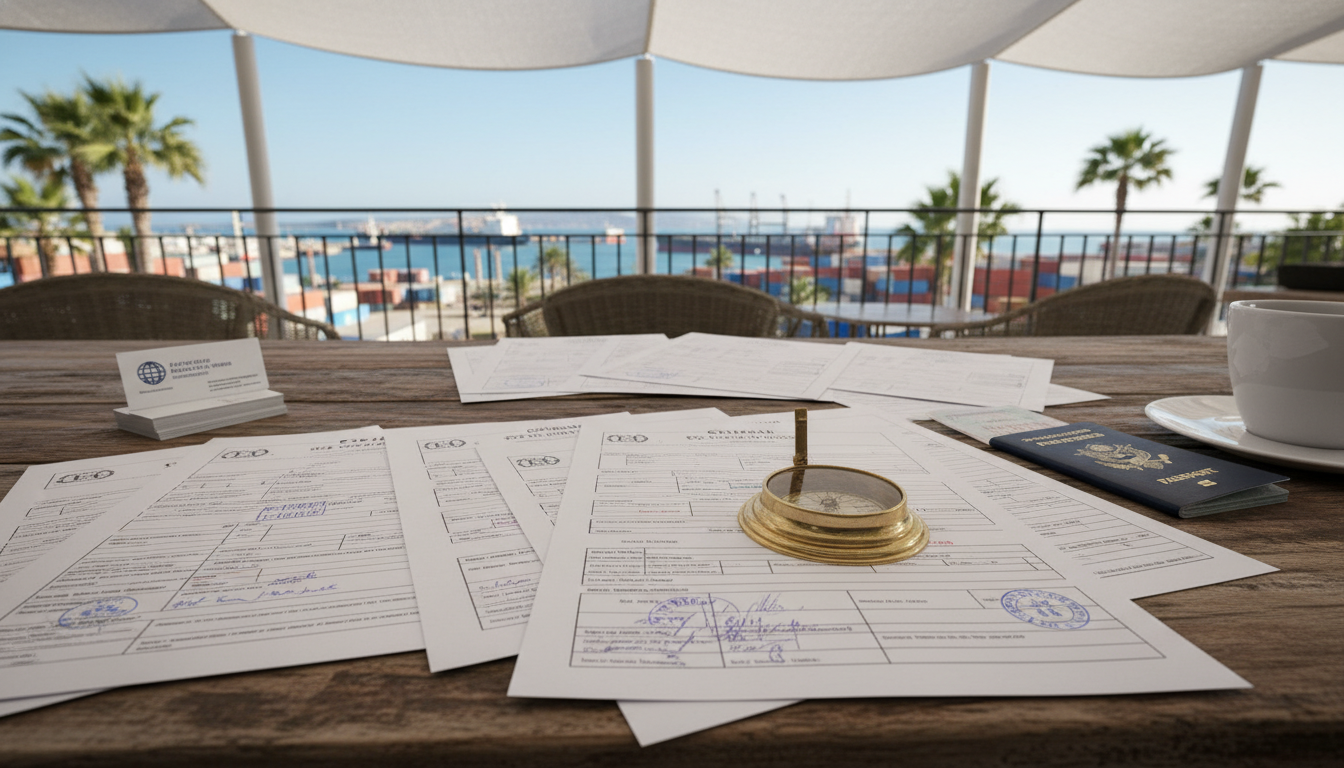
What Is Customs Clearance and How It Works for Amazon FBA
Customs clearance is the process that enables Amazon FBA sellers to import goods legally into a destination country. It involves obtaining permission from customs authorities, which is essential for ensuring that shipments comply with local regulations and laws. This process is critical for avoiding delays, fines, and potential confiscation of goods.
The customs clearance process consists of several key steps:
- Documentation Submission: Sellers must submit the necessary documents, including commercial invoices, packing lists, and bills of lading, to customs authorities for review.
- Compliance Verification: Customs officials verify that the imported goods meet all regulatory requirements, including safety standards and tariff classifications. This step is vital for preventing the entry of restricted or prohibited items.
- Duty and Tax Assessment: Customs calculates applicable duties and taxes based on the product’s classification and declared value. Sellers must be prepared to pay these fees to facilitate the clearance process.
- Inspection: In some cases, customs may physically inspect the shipment to ensure that the actual goods match the provided documentation.
Failure to navigate customs clearance effectively can lead to significant delays and unexpected costs. Therefore, understanding and following the customs process is essential for Amazon FBA sellers to ensure timely delivery of their products to fulfillment centers.
Frequently Asked Questions
Amazon FBA sellers often have common queries regarding customs clearance that can impact their shipping operations. Addressing these frequently asked questions can provide clarity and facilitate smoother processes.
- What are the costs associated with customs clearance?
The costs involved in customs clearance can vary significantly depending on several factors, including:
- Customs Duties and Taxes: Based on the product’s classification and value.
- Broker Fees: If a customs broker is utilized, their fees will be an additional cost.
- Inspection Fees: Charges may apply if customs conducts an inspection.
- Storage Fees: If goods are held up, warehouses may charge storage fees.
- How long does customs clearance take?
The duration of customs clearance can vary based on multiple factors:
- Documentation Accuracy: Complete and accurate documentation can expedite the process.
- Volume of Shipments: Higher volumes may lead to longer processing times.
- Inspection Requirements: If a shipment is selected for inspection, this can add additional time.
- Destination Country: Different countries have varying processing times and requirements.
Understanding these aspects of customs clearance can help Amazon FBA sellers better prepare for potential costs and timelines, ensuring a smoother import process.

Final Words
Final Words
Navigating customs clearance is crucial for Amazon FBA sellers, ensuring efficient and lawful product importation. Understanding the customs clearance process, required documentation, and common challenges can significantly enhance shipping experiences.
By following best practices, such as working with a customs broker and keeping documentation organized, sellers can mitigate potential delays and unexpected costs. Familiarity with customs clearance not only streamlines operations but also boosts profitability and market entry speed.
Embracing knowledge of what is customs clearance and how does it work for Amazon FBA can empower sellers to take control of their logistics, leading to a more successful e-commerce venture.
FAQ
Q: What is customs clearance?
A: Customs clearance is the process of obtaining permission from customs authorities to legally import goods into a country, ensuring compliance with laws and regulations to avoid delays and fines.
Q: What are the steps involved in customs clearance?
A: The customs clearance process includes pre-clearance preparation, customs declaration submission, and inspection and approval by customs authorities to ensure compliance and verification of shipments.
Q: What documentation is required for customs clearance?
A: Essential documents include the Bill of Lading, Commercial Invoice, and Packing List. These documents facilitate the customs process by providing necessary shipment details and transaction information.
Q: What common challenges do sellers face during customs clearance?
A: Common challenges include delays from incomplete documentation and unexpected customs duties or taxes that can impact profitability. Addressing these issues proactively is crucial for smooth operations.
Q: What are some tips for smooth customs clearance?
A: Sellers should work with a customs broker for compliance navigation and keep documentation organized to reduce risks of delays during the customs clearance process.
Q: What costs are associated with customs clearance?
A: Costs can include customs duties, taxes, broker fees, and potential additional charges for inspections or delays. Sellers should budget for these expenses to maintain profitability.
Q: How long does customs clearance take?
A: Customs clearance duration varies based on factors like documentation completeness, shipment type, and customs workload. Typically, it can take from a few hours to several days.
Ready to Optimize Your Amazon Shipping?
Get 3 route options tailored to your products and timeline
Get Your Quote→