What Is the DAP Term in Shipping? A Practical US Guide
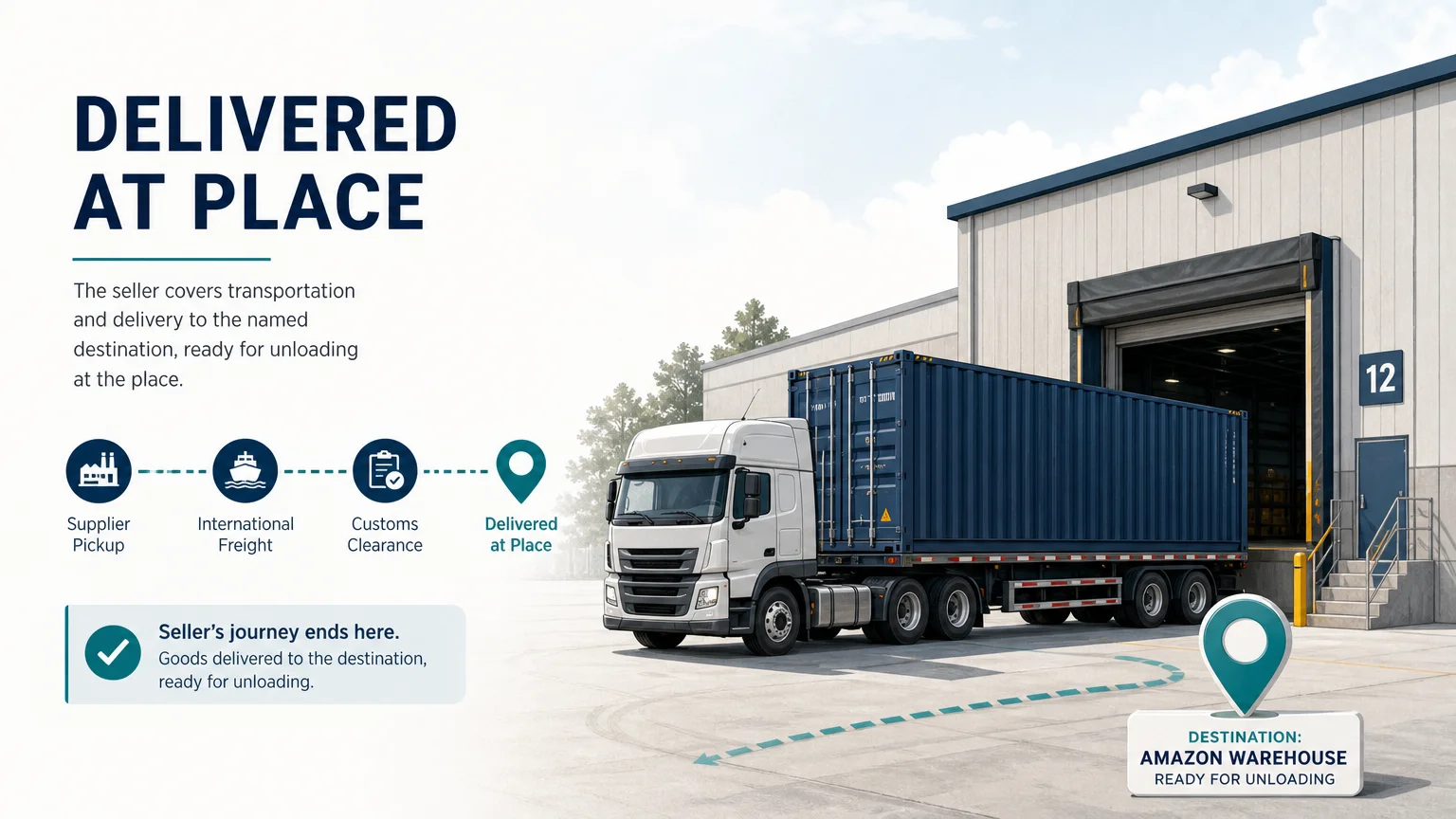
Summary: The DAP term means Delivered at Place, an Incoterm where the seller delivers goods to a named destination ready for unloading. The seller manages transport and export formalities, while the buyer normally handles unloading, import customs clearance, duties, and taxes. Clear wording is essential because DAP is not the same as DDP.
If you are searching for what the DAP term means, the key point is where responsibility changes. Under DAP, the seller carries the goods to an agreed destination, but the buyer usually takes over for unloading and import procedures. You can also review our guidance on DAP shipping before comparing freight quotations.
This distinction matters for US importers, e-commerce sellers, and Amazon FBA businesses. A shipment can appear to be delivered to your warehouse or fulfillment destination, while customs charges and unloading duties remain your responsibility. The named place, delivery point, and import arrangement should therefore be written precisely.
What Does DAP Mean in Shipping?
DAP stands for Delivered at Place. It is an Incoterm that defines how the seller and buyer divide transport responsibilities, costs, and risks during an international shipment.
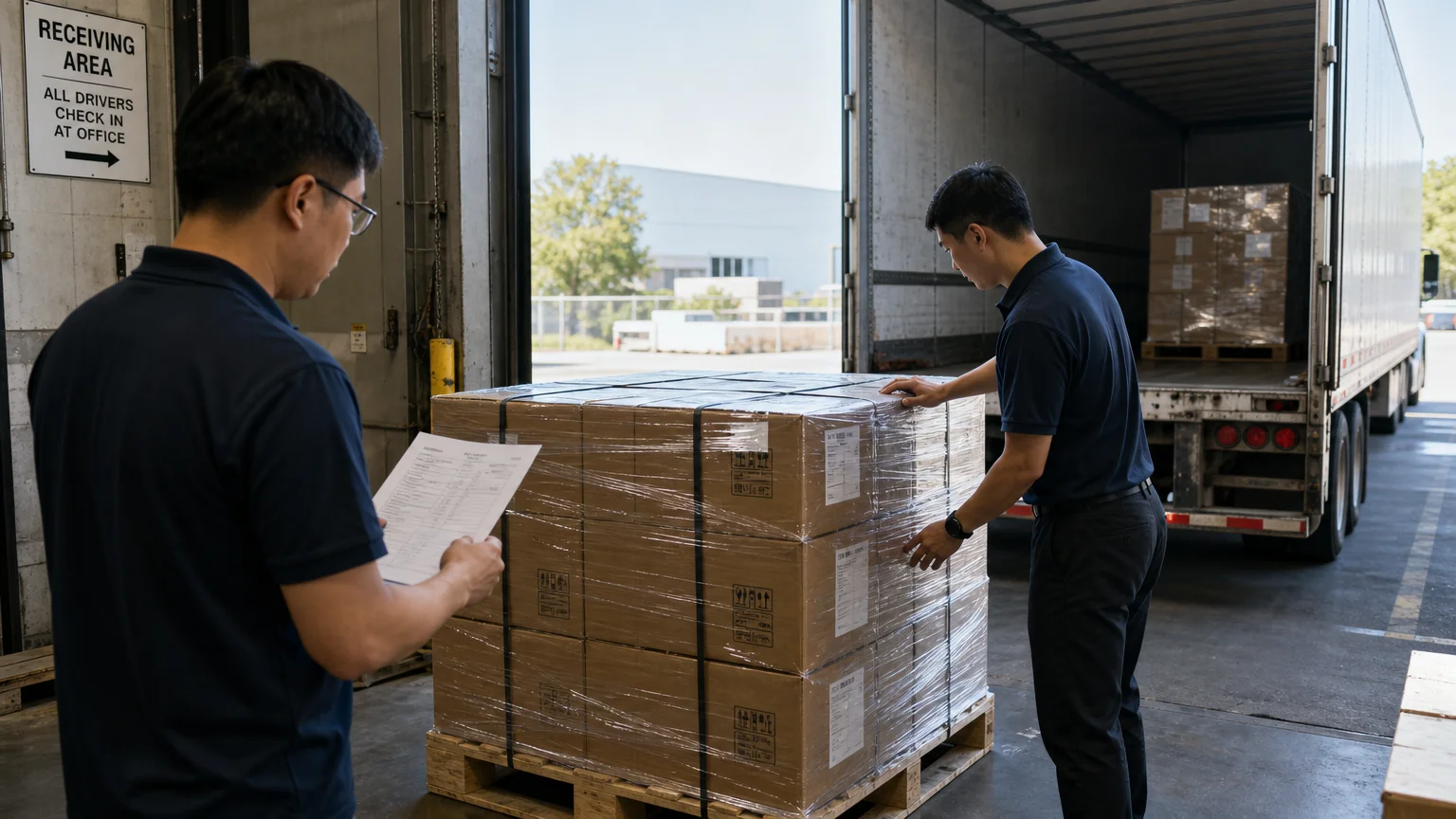
Under DAP, the seller delivers the goods to a named place of destination. The goods must arrive on the transport vehicle and be ready for unloading. Delivery is not normally completed after the buyer has unloaded the cargo.
The seller usually arranges export packaging, origin transport, export customs formalities, international carriage, and delivery to the agreed destination. The buyer normally handles unloading, import customs clearance, import duties, taxes, and any onward movement after delivery.
DAP can apply to air, sea, road, rail, or multimodal transport. The contract should identify the exact delivery point, such as a warehouse entrance, terminal, distribution center, or Amazon receiving location. A general phrase such as “DAP United States” leaves too much room for disagreement.
Which Costs and Risks Stay With Each Party?
Consider a shipment moving from a supplier in China to a US warehouse. The seller may arrange pickup, export processing, ocean freight, and final delivery to the agreed destination. The buyer then prepares to unload the shipment and complete the import process.
The seller’s main responsibilities
- Prepare export packaging and shipping marks.
- Provide commercial invoices, packing lists, and required transport documents.
- Complete export licenses and origin customs formalities when applicable.
- Arrange and pay for transport to the named destination.
- Carry the risk of loss or damage until the goods reach the agreed place, ready for unloading.
The buyer’s main responsibilities
- Arrange and pay for unloading at the destination.
- Complete import customs clearance.
- Pay import duties, tariffs, taxes, and applicable customs fees.
- Provide information required by customs or the importer of record.
- Arrange onward transport after the DAP delivery point, when needed.
DAP does not require the seller to purchase cargo insurance. The parties should therefore discuss insurance separately, especially when goods are valuable, fragile, or time-sensitive.
Why Can DAP Create Extra Costs for US Importers?
The most common misunderstanding is assuming that delivery to the destination means that every arrival cost has been paid. DAP does not usually include the buyer’s import duties, taxes, customs brokerage, or unloading expenses.
For example, a US buyer may receive a freight quotation showing delivery to a warehouse. The buyer may still need to pay a customs broker, provide an importer of record, settle duties, and arrange equipment for unloading. Storage, inspection, detention, or demurrage charges may also arise if customs clearance is delayed.
The acronym itself can create confusion outside international trade. In federal government services, DAP can refer to the Digital Analytics Program, so contracts should always spell out “Delivered at Place” rather than relying on the abbreviation alone.
For US businesses, the practical lesson is simple. Ask whether the quote includes only transport to the named place or also includes customs representation, duties, taxes, unloading, and final delivery inside the facility.
DAP vs DDP for Amazon FBA Shipments
DAP and DDP both place substantial transport responsibility on the seller, but their import obligations differ significantly. Under DAP, the buyer normally handles import clearance and import charges. Under DDP, the seller is responsible for import clearance, duties, and taxes, subject to a lawful destination arrangement.
For Amazon FBA, this difference can affect receiving schedules, inventory availability, and landed cost calculations. A DAP shipment may require the seller to coordinate closely with the Amazon seller or another importer. A DDP shipment can be simpler for a seller who wants one provider to manage the shipment through customs and delivery.
Neither term is automatically suitable for every product or destination. Product restrictions, customs requirements, importer of record rules, tax obligations, and Amazon receiving procedures still need review.
If you need to compare the terminology before selecting a route, read our DAP terms guidance. For sellers who prefer a coordinated process, we can structure route options around urgency, shipment volume, destination, and customs requirements.
How Should You Choose a Term for a China to US Shipment?
Start with the shipment’s real delivery requirement, not only the freight price. A low transport quote may not represent the final landed cost if import charges and destination services remain outside the agreement.
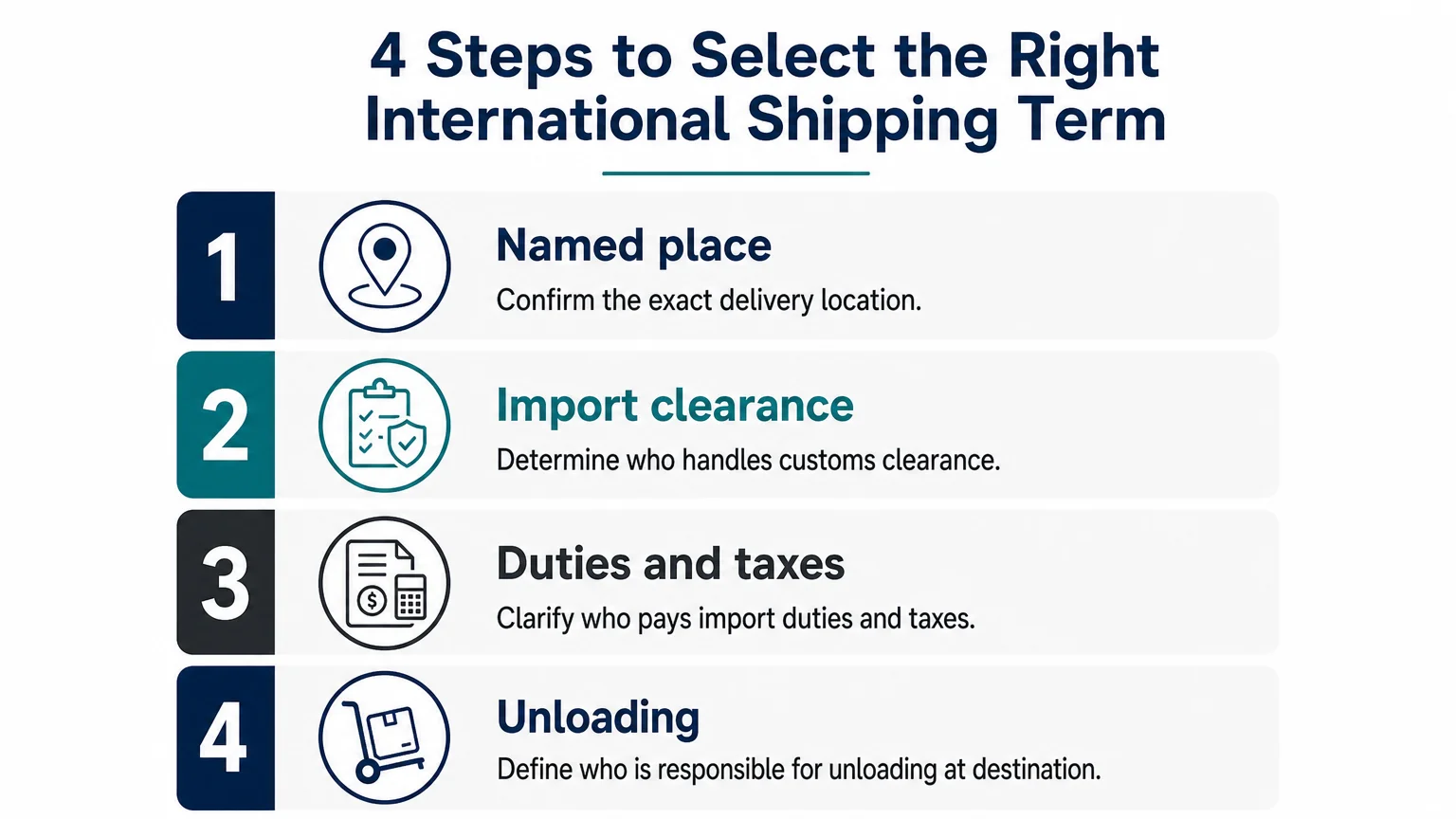
- Define the destination. State the exact place where delivery is considered complete. Include the facility entrance, terminal, dock, or receiving point when relevant.
- Confirm the importer. Identify who will act as importer of record and who will communicate with US customs.
- List every charge. Separate transport, customs brokerage, duties, taxes, unloading, storage, inspection, and onward delivery.
- Match the term to your operating model. DAP may suit experienced importers with established customs processes. DDP may suit sellers seeking a more coordinated door-to-door arrangement.
When shipping from China to Amazon warehouses, also consider product category, carton dimensions, shipment weight, delivery urgency, and inventory risk. Air freight may support an urgent launch, while ocean freight may suit planned replenishment. Fast boat and rail can provide alternatives when speed and cost need to be balanced.
Our explanation of what DAP means in shipping can help you frame the initial comparison. You should still request a shipment-specific quote because freight charges depend on weight, volume, route, and service scope.
What Should a DAP Agreement State?
A well-written DAP agreement should remove assumptions before the goods leave the supplier. It should define both the commercial term and the operational details that determine the final cost.
- The exact Incoterm, written as DAP followed by the named place.
- The agreed delivery point and the party responsible for unloading.
- The transport mode and expected transit time.
- The party responsible for import customs clearance.
- The importer of record and required customs documents.
- The treatment of duties, tariffs, VAT, sales tax, and brokerage fees.
- The treatment of storage, inspection, detention, demurrage, and re-delivery costs.
- The insurance arrangement and claims process.
- The documents required before pickup and before delivery.
The need for precise definitions is not limited to shipping. A 2026 UK data report demonstrates how formal reports define their terms and methodology before presenting findings. A DAP agreement benefits from the same discipline, especially when several parties coordinate one cross-border shipment.
For practical planning, you can also consult our DAP delivery terms guide. The goal is not to use the most familiar acronym. The goal is to make every cost, risk, and handover point understandable to the seller, buyer, carrier, broker, and warehouse.
Understand the Delivery Point Before You Ship
What the DAP term means is straightforward once you identify the named destination and the point where risk transfers. The seller normally carries the goods to that place, ready for unloading, while the buyer manages import clearance, duties, taxes, and unloading. Before accepting a quotation, confirm the importer, destination, insurance, and every charge excluded from the transport price.
Take action with QG Horizon
If DAP leaves you uncertain about customs responsibility, delivery timing, or the true landed cost, a route comparison can make the decision clearer. Your shipment details should be reviewed alongside its weight, volume, destination, urgency, and Amazon receiving requirements.

We coordinate supplier pickup in China, international freight, customs handling, DDP arrangements, delivery to Amazon warehouses, and shipment tracking. You can compare air, fast boat, ocean, and rail options through our freight forwarding services, with support focused on practical route selection and transparent shipment planning.
Frequently Asked Questions
What does DAP stand for in shipping?
DAP stands for Delivered at Place. It means the seller delivers the goods to an agreed destination ready for unloading, while the buyer normally handles unloading and import formalities.
Does DAP include import duties and taxes?
Usually, DAP does not include the buyer’s import duties, taxes, or import customs clearance. These charges should be confirmed in writing because local arrangements and additional services can affect the final cost.
Is DAP the same as DDP?
No. Under DAP, the buyer normally manages import clearance and import charges. Under DDP, the seller is responsible for those obligations, subject to lawful importer and tax arrangements at the destination.
Who unloads goods under DAP?
The buyer normally arranges and pays for unloading under DAP. The seller delivers the goods on the arriving transport vehicle, ready for unloading at the named place.
Can DAP be used for Amazon FBA shipping?
Yes, DAP can be used for Amazon FBA shipments, but the importer, customs process, duties, taxes, and delivery point must be clearly assigned. Sellers who want a coordinated process may compare DAP with DDP and review route options with QG Horizon.
Ready to Optimize Your Amazon Shipping?
Get 3 route options tailored to your products and timeline
Get Your Quote→