Wooden Pallets vs Plastic Pallets for Amazon FBA: Discover Amazon’s Preference

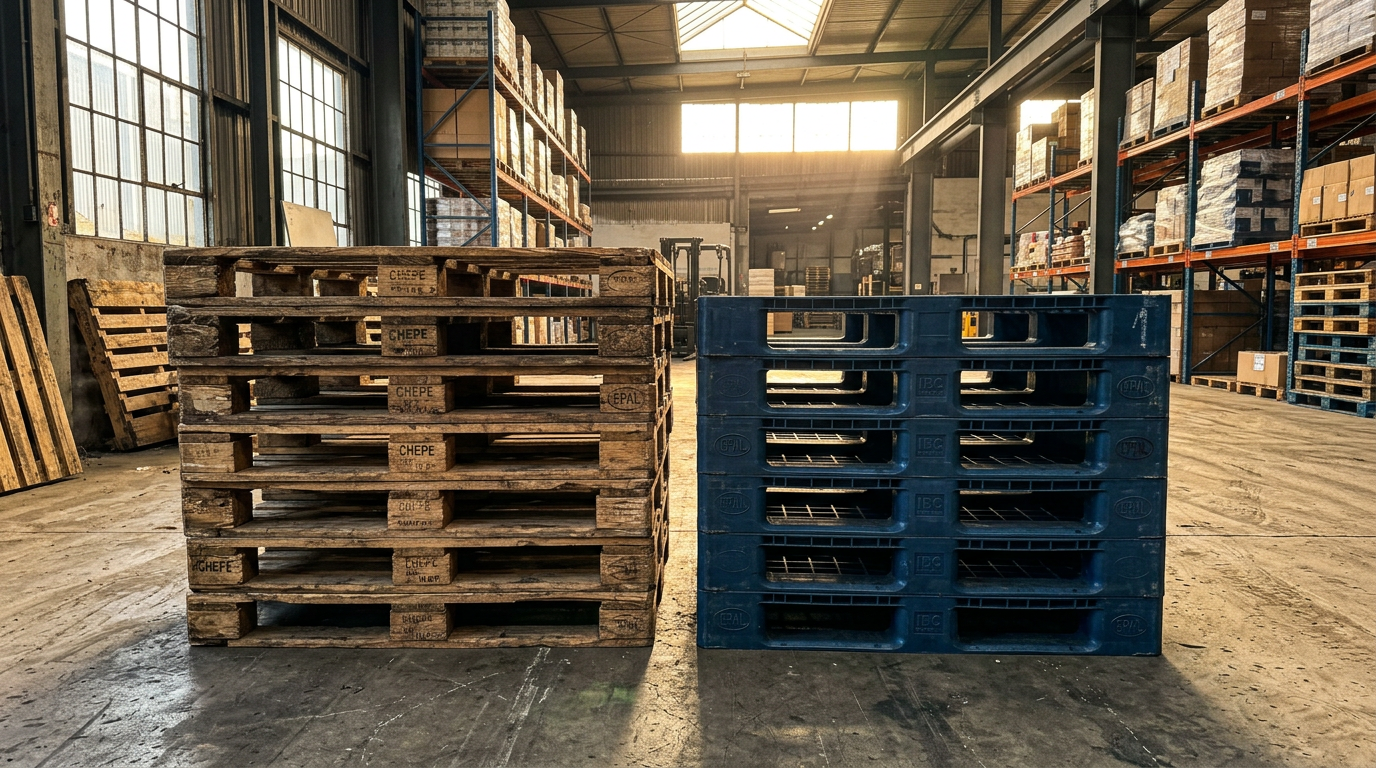
When it comes to choosing between wooden and plastic pallets for Amazon FBA, the stakes are high. Sellers may assume that cost is the primary factor, but Amazon’s preferences could dictate success or failure. As e-commerce evolves, the durability and compliance of pallet materials are increasingly scrutinized. This blog post will explore the crucial differences between wooden and plastic pallets, examining Amazon’s guidelines and preferences. By understanding these factors, FBA sellers can make informed decisions that not only meet Amazon’s standards but also optimize their shipping and storage strategies.
Wooden Pallets vs Plastic Pallets for Amazon FBA: Discover Amazon’s Preference
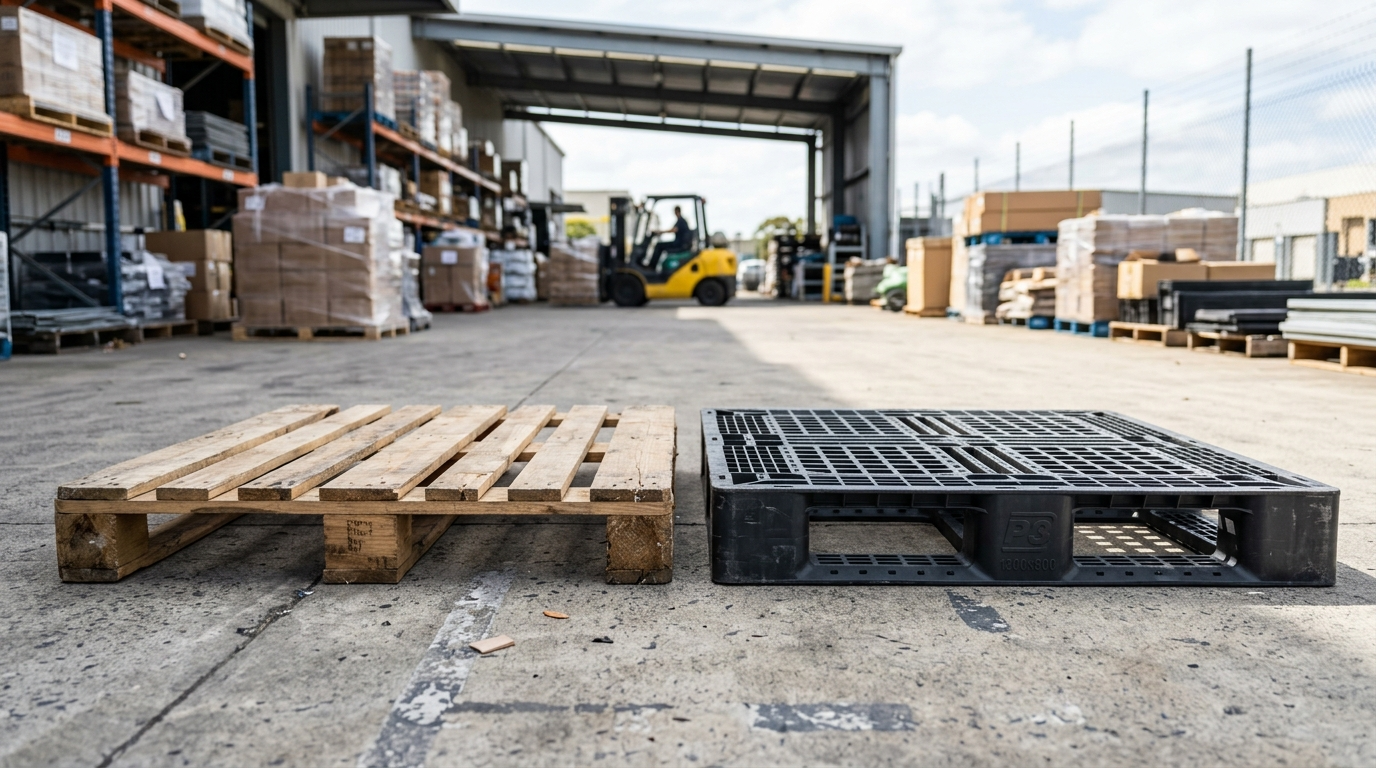
Amazon FBA sellers must consider pallet types for effective logistics and compliance. Two primary options are wooden pallets and plastic pallets, each with distinct characteristics.
Wooden Pallets
- Cost-Effective: Generally cheaper than plastic pallets, making them an attractive option for budget-conscious sellers.
- Availability: Widely available and easy to source from various suppliers.
Plastic Pallets
- Durability: More resilient than wooden pallets, capable of withstanding heavier loads and harsh conditions.
- Cleanliness: Do not absorb moisture or harbor pests, aligning with Amazon’s safety standards.
- Compliance: Frequently meet Amazon’s stringent requirements for shipping and storage, reducing the risk of damage or product contamination.
| Feature | Wooden Pallets | Plastic Pallets |
|---|---|---|
| Cost | Lower upfront cost | Higher initial investment |
| Durability | Less durable, prone to damage | More durable, long lifespan |
| Cleanliness | Prone to moisture absorption | Non-absorbent, pest-resistant |
| Compliance | May not meet all standards | Frequently compliant |
Amazon’s preference leans towards plastic pallets due to their durability, cleanliness, and compliance with safety standards. This preference impacts FBA sellers’ choices, influencing logistics strategies and cost management.
Pros and Cons of Wooden Pallets
Cost Implications
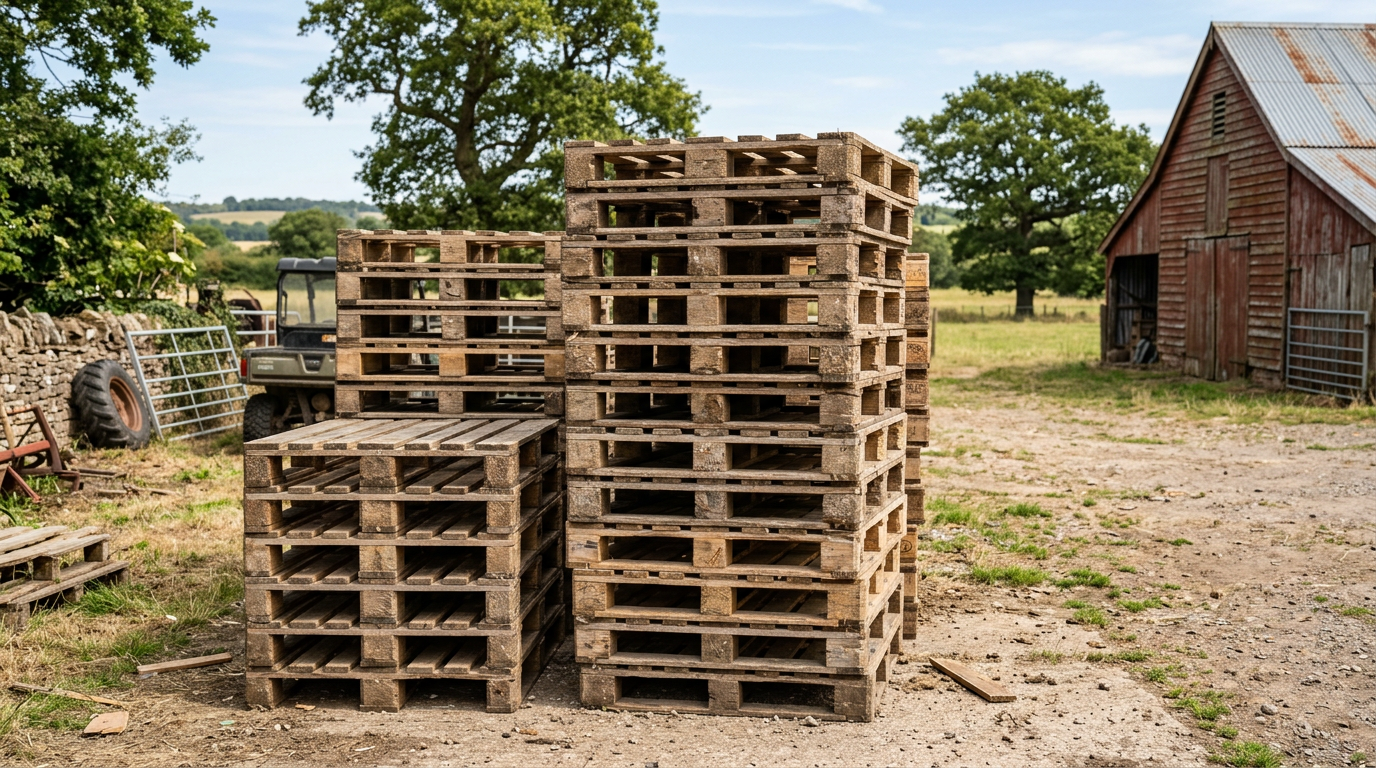
Wooden pallets are typically more affordable upfront compared to plastic alternatives. This lower cost makes them an attractive option for Amazon FBA sellers who are operating on tight budgets or looking to minimize initial investments in logistics. The availability of wooden pallets also contributes to their lower price point, as they can be sourced easily from various suppliers.
However, while the initial purchase price is lower, it’s essential to consider the long-term costs associated with wooden pallets. They often require more frequent replacements due to wear and tear, leading to higher cumulative expenses over time. Additionally, maintenance costs may arise as sellers may need to repair or replace damaged pallets regularly, which can erode the perceived savings from the initial purchase.
Durability and Maintenance
Durability is a significant drawback of wooden pallets. Unlike their plastic counterparts, wooden pallets are susceptible to damage from moisture, pests, and rough handling. This reduced durability can lead to product damage during transit or storage, potentially impacting sellers’ bottom lines due to product loss or damage claims.
Furthermore, wooden pallets often require more intensive maintenance. They can splinter, break, or warp, necessitating careful handling and inspection. Sellers must account for the time and resources spent on maintaining the integrity of wooden pallets, which can detract from their operational efficiency.
Environmental Impact
From an environmental perspective, wooden pallets present both challenges and benefits. On one hand, they are biodegradable and can be repurposed or recycled, reducing their overall environmental footprint when properly managed. However, the recycling process for wooden pallets can be complicated due to treatment chemicals and the potential for contamination.
Additionally, the sourcing of wood for pallets raises concerns about deforestation and sustainability practices. As consumers become more environmentally conscious, sellers using wooden pallets may face scrutiny regarding their sourcing methods and overall sustainability, which could influence consumer perceptions and sales.
| Factor | Consideration |
|---|---|
| Upfront Cost | Lower than plastic pallets |
| Lifespan | Shorter, requiring more frequent replacements |
| Maintenance Needs | Higher due to damage susceptibility |
| Environmental Impact | Biodegradable but complicating recycling process |
Pros and Cons of Plastic Pallets
Cost Implications
Plastic pallets typically have a higher upfront cost than wooden pallets, which can be a barrier for some Amazon FBA sellers. However, this initial investment often pays off in the long run due to their durability and longevity. Unlike wooden pallets, which may need frequent replacements, plastic pallets can withstand repeated use, leading to lower overall costs over time.
Additionally, plastic pallets reduce maintenance expenses. They are resistant to moisture, pests, and temperature fluctuations, resulting in fewer damages during storage and transit. Fewer replacements and repairs translate to significant savings, making them a cost-effective option for sellers who prioritize long-term financial planning.
Moreover, plastic pallets often lead to improved inventory management. Their durability minimizes product loss and damage, allowing sellers to maintain a healthier stock level. This reliability can enhance cash flow and operational efficiency, making it easier for sellers to meet Amazon’s fulfillment requirements.
Durability and Maintenance
Durability is one of the standout features of plastic pallets. Designed to endure heavy loads and harsh conditions, they typically have a longer lifespan compared to wooden pallets. This resilience means that plastic pallets can handle the rigors of international shipping and frequent handling without degrading in quality.
Maintenance is also significantly reduced with plastic pallets. They do not splinter, warp, or break easily, and their non-absorbent nature prevents contamination from moisture or pests. This not only ensures products remain safe during transport but also aligns with Amazon’s safety standards, reducing the risk of compliance-related issues.
Environmental Impact
From an environmental perspective, plastic pallets offer several advantages. Many are recyclable, which can help sellers adhere to sustainability goals and reduce waste. Although the production of plastic has its environmental concerns, the longevity and recyclability of plastic pallets can mitigate some of these drawbacks.
Moreover, using plastic pallets can help sellers avoid the potential issues associated with wooden pallets, such as deforestation and chemical treatments. By opting for plastic, sellers can demonstrate a commitment to eco-friendly practices, aligning their operations with increasing consumer demand for sustainability in the e-commerce space.
| Feature | Plastic Pallets |
|---|---|
| Cost | Higher initial investment |
| Durability | Longer lifespan, resistant to damage |
| Maintenance | Lower maintenance requirements |
| Environmental Impact | Recyclable, supports sustainability |
Amazon’s Guidelines on Pallet Usage
- Pallet Material: Amazon typically prefers plastic pallets due to their durability, compliance, and cleanliness. Wooden pallets may be accepted but must meet specific safety and handling standards.
- Pallet Size: Sellers must use standard pallet sizes (typically 48” x 40”) to ensure compatibility with Amazon’s fulfillment centers and efficient handling.
- Weight Capacity: Pallets should have a weight capacity of at least 1,500 pounds to ensure they can safely support products without risk of damage during transportation or storage.
Amazon mandates strict compliance standards for pallet safety to protect inventory and streamline logistics. Plastic pallets are less prone to damage, which minimizes the risk of product contamination and loss. They do not absorb moisture or harbor pests, making them a safer choice for food and sensitive items.
Sellers must ensure their pallets are in good condition, free from cracks, splinters, or protruding nails, which can lead to product damage. Proper handling procedures during loading and unloading, including using appropriate equipment, are essential to maintain pallet integrity. Additionally, pallets must be stacked correctly to prevent tipping or collapse, ensuring a smooth transition through Amazon’s warehouses. Following these guidelines not only aligns with Amazon’s expectations but also enhances operational efficiency.
Practical Recommendations for FBA Sellers
Choosing the Right Pallet
- Assess Load Requirements: Determine the weight and type of products being shipped to select a pallet that can handle the load without risk of damage.
- Evaluate Compliance Standards: Ensure the chosen pallet meets Amazon’s guidelines for safety and handling to avoid shipment issues.
- Consider Cost vs. Longevity: Factor in the initial cost of the pallet against its expected lifespan to make an informed decision on investment.
Cost-Benefit Analysis
When deciding between wooden and plastic pallets, FBA sellers must weigh the upfront costs against long-term benefits. Wooden pallets typically have a lower purchase price, making them appealing for sellers with tight budgets. However, their shorter lifespan and susceptibility to damage can result in higher overall costs due to replacements and potential product loss.
In contrast, plastic pallets come with a higher initial investment but offer greater durability and reduced maintenance requirements. This durability can lead to fewer replacements over time, allowing sellers to save money in logistics costs. Additionally, plastic pallets are less likely to cause product damage, ultimately protecting profit margins.
Environmental Considerations
Environmental impact should also be a consideration when selecting pallets. Wooden pallets, while often biodegradable, face challenges in recycling and can contribute to deforestation if not sourced sustainably. Sellers should ensure they are obtaining wooden pallets from responsible suppliers.
On the other hand, plastic pallets, being recyclable, provide a more sustainable option for logistics. However, they are derived from petroleum products, raising concerns about their overall environmental footprint. FBA sellers should evaluate their commitment to sustainability and consider opting for plastic pallets if they align with their business values and practices.
| Feature | Wooden Pallets | Plastic Pallets |
|---|---|---|
| Cost | Lower initial cost | Higher initial investment |
| Durability | Less durable | More durable |
| Environmental Impact | Biodegradable but challenging to recycle | Recyclable but derived from petroleum |
Final Words
Final Words
Understanding the dynamics between wooden pallets and plastic pallets is crucial for Amazon FBA sellers. The blog has covered their respective pros and cons, revealing that while wooden pallets offer lower upfront costs, plastic pallets excel in durability and compliance with Amazon’s safety standards.
Final thoughts emphasize the importance of aligning pallet choices with Amazon’s guidelines to ensure a smooth shipping process. Sellers should weigh cost against benefits and environmental impact when selecting pallets.
Ultimately, the decision on “Wooden Pallets vs Plastic Pallets for Amazon FBA: Which Does Amazon Prefer?” can significantly affect operational efficiency and profitability.
FAQ
Q: What are the main differences between wooden and plastic pallets for Amazon FBA?
A: Wooden pallets are cost-effective but less durable, while plastic pallets offer longevity and compliance with Amazon’s safety standards, making them increasingly preferred by sellers.
Q: What are the advantages of using wooden pallets?
A: Wooden pallets have lower initial costs and are widely available, making them an attractive option for budget-conscious Amazon FBA sellers despite their shorter lifespan.
Q: What are the disadvantages of wooden pallets?
A: Wooden pallets often require more maintenance, have recycling challenges, and can pose safety risks, which may not align with compliance standards for Amazon FBA.
Q: What benefits do plastic pallets provide?
A: Plastic pallets are durable, require less maintenance, and offer better long-term savings, making them a viable choice for Amazon FBA sellers focused on efficiency.
Q: What drawbacks do plastic pallets have?
A: Although plastic pallets have higher upfront costs, they provide long-lasting performance. However, their environmental impact remains a consideration when selecting sustainable options.
Q: What are Amazon’s guidelines for pallet usage?
A: Amazon mandates specific pallet materials, safety compliance, and handling procedures to ensure optimal logistics operations and minimize risks associated with pallet usage.
Q: How can FBA sellers choose the right pallet?
A: Sellers should evaluate cost, durability, compliance with Amazon’s guidelines, and environmental impact when selecting pallets to optimize their supply chain efficiency.
Q: What cost-benefit analysis should sellers consider?
A: Sellers should compare the initial costs of wooden versus plastic pallets against their long-term durability and maintenance needs to identify the most cost-effective option.
Q: How can environmental impact influence pallet choice?
A: Sellers should balance the cost of pallets with their environmental effects, opting for materials that align with sustainability goals while meeting Amazon’s compliance standards.
Ready to Optimize Your Amazon Shipping?
Get 3 route options tailored to your products and timeline
Get Your Quote→