Your First FBA Shipment from China Made Simple

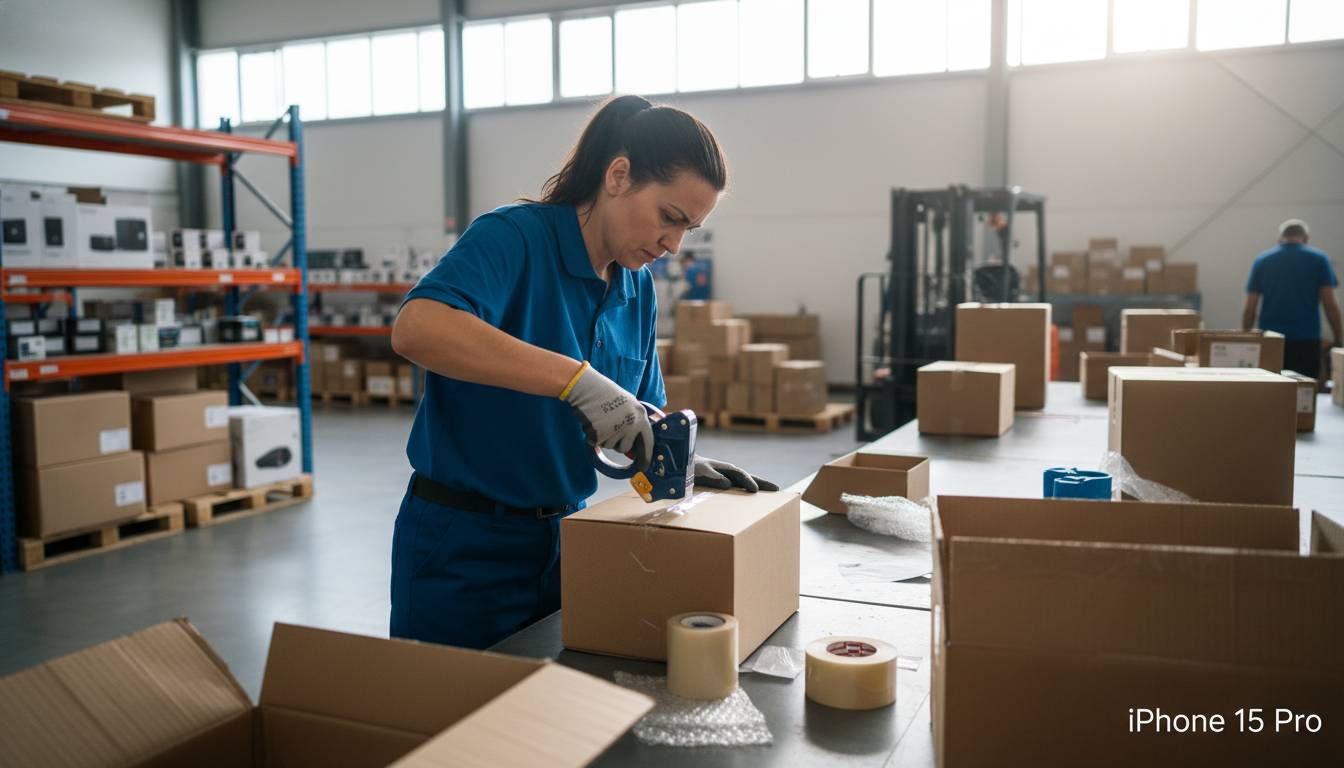
Navigating your first FBA shipment from China can feel like stepping into a minefield—one misstep could derail your entire business. However, understanding the Fulfillment by Amazon (FBA) process can transform this daunting task into a streamlined operation. This guide will break down each critical step, ensuring new sellers can confidently manage their shipments while minimizing costs and maximizing efficiency. By the end, readers will grasp the essential logistics of sourcing, preparation, and shipping, positioning them for success in the competitive Amazon marketplace.
Your First FBA Shipment from China Made Simple
Fulfillment by Amazon (FBA) offers a streamlined approach for new sellers to reach customers efficiently. By leveraging Amazon’s extensive logistics network, sellers can focus on marketing and sales while Amazon handles storage, packing, and shipping.
Shipping products from China to Amazon FBA centers is a common practice, allowing sellers to source products at competitive prices. The process involves several key steps that can significantly impact the success of the shipment.
Benefits of FBA for New Sellers:
- Increased Visibility: Products listed under FBA have higher visibility due to Prime eligibility.
- Scalability: Sellers can easily scale inventory levels without worrying about fulfillment logistics.
- Customer Trust: Amazon’s reputation enhances buyer confidence in purchasing products.
- Comprehensive Support: Access to Amazon’s customer service alleviates seller burdens regarding returns and inquiries.
Understanding the FBA process is critical for new sellers. The journey begins with sourcing products, followed by preparing them for shipment, navigating customs clearance, and finally sending them to Amazon’s fulfillment centers. Each step requires careful planning and compliance with Amazon’s policies to ensure a smooth experience.
The following sections will provide a detailed, step-by-step guide to help new sellers navigate their first FBA shipment from China, making the process manageable and efficient.
Step 1: Sourcing Products for Your First FBA Shipment
Selecting the right products and reliable suppliers is crucial for a successful FBA shipment. This step lays the foundation for your business and can significantly impact your profitability.
- Research market demand for products
- Utilize tools like Jungle Scout and Helium 10 to analyze trends and identify high-demand products in your niche.
- Consider seasonal trends and consumer behavior to select items that are likely to sell well.
- Identify potential suppliers
- Use platforms like Alibaba, Global Sources, and Made-in-China to find manufacturers offering products that meet your criteria.
- Verify suppliers’ credentials, including business licenses and customer reviews, to ensure legitimacy.
- Negotiate terms and prices
- Approach suppliers with clear expectations regarding pricing, minimum order quantities (MOQs), and lead times.
- Don’t hesitate to negotiate to achieve favorable terms; building a strong relationship can lead to better deals in the future.
- Assess supplier reliability and quality
- Request product samples to evaluate quality before placing larger orders.
- Check references and previous buyer feedback to gauge supplier reliability and consistency in delivery.
Establishing a solid partnership with suppliers is essential for long-term success. Effective communication and expectation management will foster better cooperation and ensure that your product quality meets Amazon’s standards.
Step 2: Preparing Your Products for Shipment
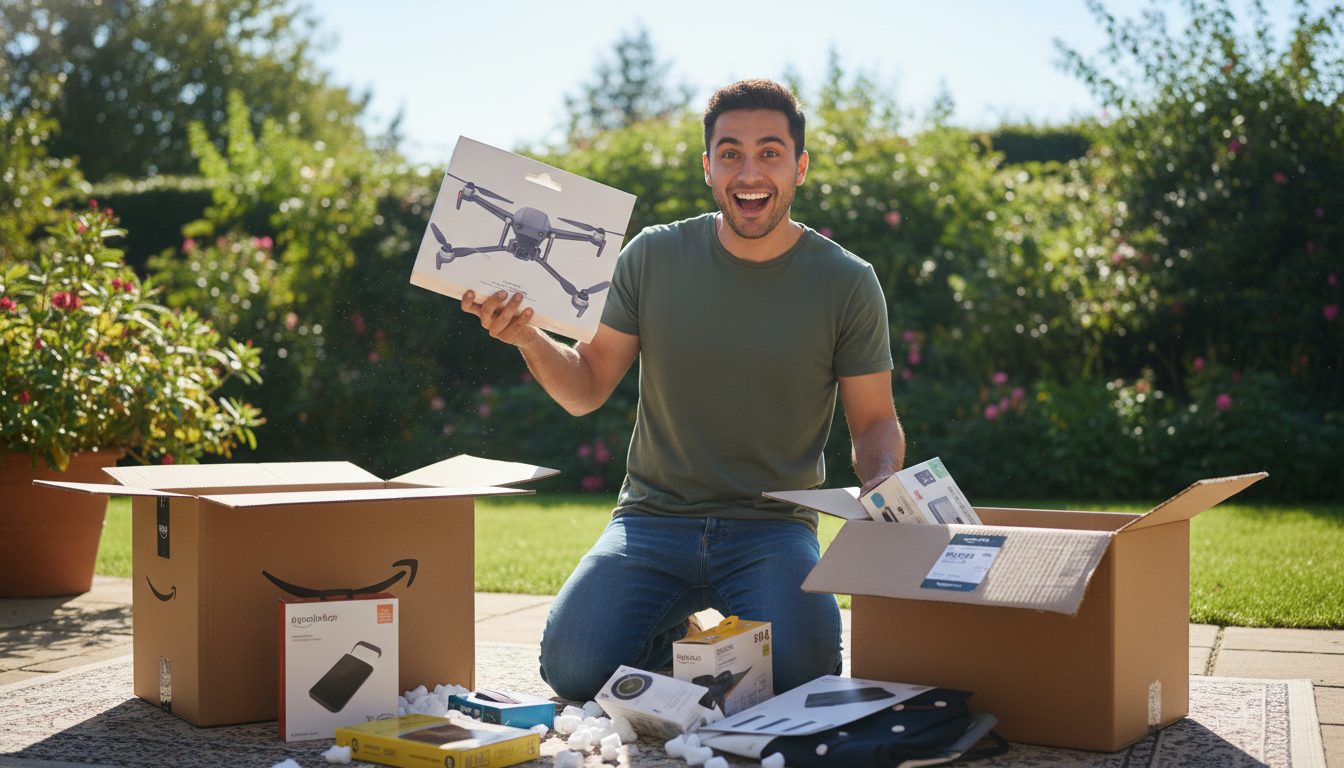
Preparing your products for shipment to Amazon FBA is a crucial step that can directly impact the efficiency and success of your fulfillment process. Adhering to Amazon’s specific guidelines ensures compliance, minimizes delays, and facilitates a smooth delivery to FBA centers.
- Review Amazon’s FBA packaging guidelines
- Familiarize yourself with Amazon’s packaging requirements, which include using sturdy boxes, maintaining product integrity, and avoiding overpacking.
- Ensure that each box does not exceed the weight limit of 50 lbs unless it meets specific criteria for heavy items.
- Prepare labels and barcodes
- Generate unique barcodes (FNSKU) for each product through your Amazon Seller Central account.
- Label each item clearly according to Amazon’s requirements, ensuring that the barcodes are scannable and not obstructed by packaging materials.
- Ensure proper product packaging
- Use appropriate materials to protect your products during transit, such as bubble wrap or packing peanuts for fragile items.
- Package items in a way that prevents movement within the box, which can lead to damage.
- Create a packing list for shipment
- Compile a detailed packing list that includes the quantities and descriptions of each item being shipped.
- Include this packing list in the shipment to help Amazon verify the contents upon arrival, facilitating a quicker check-in process.
By following these steps, sellers can ensure that their products are prepared adequately for shipment to FBA centers, aligning with Amazon’s standards and optimizing the fulfillment process.
| Task | Description |
|---|---|
| Review Packaging Guidelines | Understand and implement Amazon’s specific packaging requirements. |
| Prepare Labels | Generate and attach FNSKU barcodes to each product. |
| Ensure Proper Packaging | Use protective materials to secure products and prevent damage. |
| Create Packing List | Document item details and include it with the shipment for verification. |
Step 3: Shipping Logistics for Your First FBA Shipment
Selecting the right shipping method is crucial for ensuring your products reach Amazon FBA centers efficiently and cost-effectively. This section outlines the primary shipping methods and key considerations for new sellers.
- Compare air freight vs. sea freight
- Air Freight: Ideal for urgent shipments, air freight offers faster transit times, typically ranging from 3 to 10 days. However, it is more expensive than sea freight. Best suited for high-value items or time-sensitive launches.
- Sea Freight: More cost-effective for bulk shipments, sea freight can take 20 to 40 days but significantly reduces per-unit shipping costs. Suitable for larger orders where time is less of a factor.
- Evaluate freight forwarder options
- Select a freight forwarder experienced in Amazon FBA shipments. Look for companies that offer comprehensive services, including customs clearance and delivery to Amazon fulfillment centers.
- Compare reviews and client testimonials to assess reliability and customer service. Ensure the forwarder can provide support throughout the shipping process.
- Calculate estimated shipping costs
- Consider both fixed and variable costs associated with shipping. Fixed costs may include freight charges, while variable costs can involve customs duties and taxes.
- Use volume and weight calculations to determine the most economical shipping method. Be aware of volumetric weight, as it often affects air freight pricing.
- Plan for shipping timelines and delays
- Anticipate potential delays, such as customs clearance or port congestion. Factor these into your overall timeline to avoid stockouts or missed launch dates.
- Maintain open communication with your freight forwarder to receive timely updates on shipment status and to adjust plans as necessary.
By carefully evaluating shipping options and planning logistics, new sellers can optimize their first FBA shipment from China, ensuring a smoother delivery process to Amazon.

Step 4: Customs Clearance Process
Navigating the customs clearance process is essential for ensuring that your FBA shipment from China arrives at Amazon’s fulfillment centers without delays. Understanding the requirements and preparing the necessary documentation will facilitate a smooth transition through customs.
- Understand HS code classification
- The Harmonized System (HS) code is a standardized numerical method of classifying traded products.
- Accurately classifying your products will determine the applicable import duties and taxes, so researching the correct HS code is crucial.
- Prepare essential paperwork
- Key documents needed for customs clearance include:
- Commercial Invoice: Details the transaction between you and your supplier, including product descriptions, values, and terms of sale.
- Packing List: Specifies what is included in the shipment, such as quantities, weights, and dimensions.
- Ensure that all information is accurate and matches the contents of the shipment to avoid complications.
- Assess potential import duties and taxes
- Import duties vary based on product type and country of origin. Use the HS code to research applicable duties through the destination country’s customs authority.
- Factor in these costs when calculating overall expenses to avoid budget surprises.
- Ensure compliance with destination country regulations
- Familiarize yourself with specific regulations and restrictions that may apply to your products in the destination country.
- This includes compliance with safety standards, labeling requirements, and any necessary certifications (e.g., CE marking for Europe, FDA approval for certain goods).
Properly navigating the customs clearance process will help prevent delays, additional costs, and potential fines. Being informed about documentation and compliance requirements ensures a smoother experience with your first FBA shipment.
Step 5: Finalizing Your Shipment to Amazon FBA Centers
Completing the final steps of your shipment to Amazon FBA centers is critical for ensuring successful delivery and compliance with Amazon’s requirements. This phase includes scheduling delivery, preparing shipping labels, and monitoring your shipment’s progress.
- Schedule appointment for delivery to FBA centers
- Use Amazon Seller Central to book delivery appointments at the designated fulfillment center.
- Be aware of specific time windows and ensure your shipment arrives within the scheduled timeframe to avoid penalties.
- Print and attach shipping labels
- Generate shipping labels through Amazon Seller Central, which contain unique barcodes for tracking and inventory management.
- Ensure labels are printed clearly and affixed securely to each carton to prevent any issues during processing at the fulfillment center.
- Monitor shipment tracking until arrival
- Utilize the tracking features provided by your freight forwarder to keep an eye on your shipment’s progress from departure to delivery.
- Stay proactive in addressing any potential delays or issues during transit by communicating with your freight forwarder and checking updates regularly.
Tracking the shipment is essential to ensure timely delivery and to mitigate any risks associated with delays or lost shipments. By following these steps, sellers can confidently finalize their FBA shipments and prepare for a smooth transition into Amazon’s fulfillment network.
| Step | Action |
|---|---|
| 1 | Schedule delivery appointment |
| 2 | Print and attach shipping labels |
| 3 | Monitor shipment tracking |
Common Pitfalls to Avoid in Your First FBA Shipment
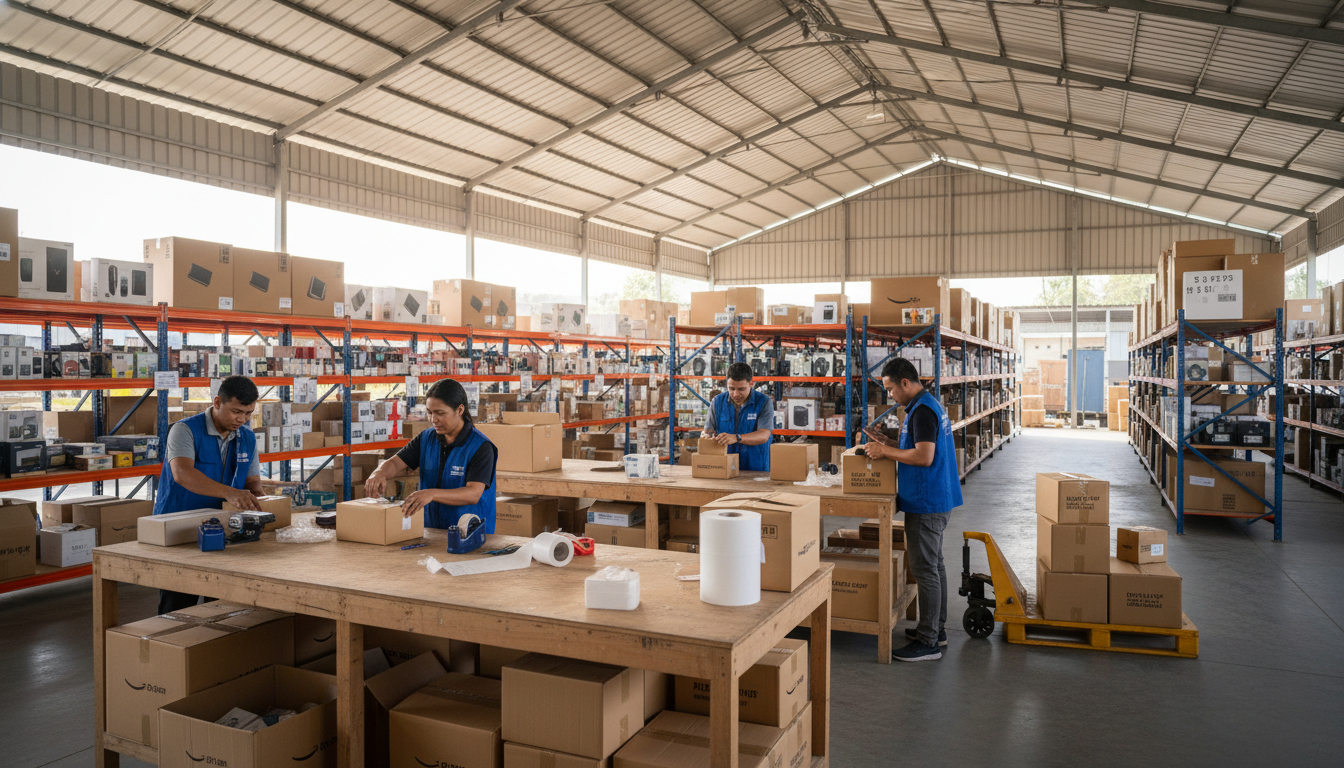
New sellers often encounter several common pitfalls during their first FBA shipment, which can lead to delays and increased costs. By recognizing these mistakes early, sellers can implement best practices to ensure a smoother shipping experience.
- Avoid underestimating shipping costs
- Factor in all associated costs, including freight charges, customs duties, and any additional fees from your freight forwarder.
- Utilize shipping calculators and get quotes from multiple providers to gain a comprehensive understanding of total expenses.
- Ensure compliance with packaging requirements
- Adhere strictly to Amazon’s packaging guidelines to prevent delays, fines, or product returns.
- Confirm that all items are packaged securely and appropriately labeled according to Amazon’s specifications.
- Double-check labeling accuracy
- Incorrect labels can result in significant issues, including lost shipments and inventory discrepancies.
- Verify that all product barcodes and labels are printed clearly and match the information provided in your shipment plan.
- Maintain communication with suppliers and freight forwarders
- Establish regular check-ins with suppliers to monitor production timelines and address any potential issues proactively.
- Communicate clearly with your freight forwarder about shipping preferences and timelines to avoid misunderstandings.
Recognizing these pitfalls and implementing proactive measures will help ensure a successful first shipment and set the stage for future success in the FBA marketplace.
Additional Resources and Tools for FBA Sellers
New sellers can benefit greatly from various resources and tools that streamline the FBA process. Leveraging these options can enhance knowledge, improve efficiency, and foster community support throughout the shipping journey.
- Recommended tools for tracking shipments
- Utilize software like ShipStation or AfterShip for real-time tracking and notifications.
- Consider tools such as Freightos for comparing freight quotes and managing logistics.
- Links to Amazon Seller Central tutorials
- Access Amazon’s official Seller Central for comprehensive guides on setting up an account, managing inventory, and understanding FBA-specific processes.
- Explore the Amazon Seller University for visual tutorials and best practices.
- Online communities for seller support
- Join Facebook groups or Reddit communities dedicated to Amazon FBA where you can ask questions and share experiences.
- Platforms like Seller Forums provide a space for discussing challenges and strategies with fellow sellers.
- Resources for understanding FBA fees and policies
- Review Amazon’s FBA fee structure and policies on their website to ensure an accurate understanding of costs involved.
- Check out blogs and podcasts that focus on FBA strategies and real-world experiences to stay updated on industry trends and tips.
| Resource Type | Resource Name | Purpose |
|---|---|---|
| Tracking Tool | ShipStation | Real-time shipment tracking and notifications |
| Tracking Tool | Freightos | Compare freight quotes and manage logistics |
| Tutorial | Amazon Seller Central | Guides on account setup and FBA processes |
| Community | Facebook Groups | Support and sharing experiences with other sellers |
| Blog/Podcast | FBA Focused Blogs | Industry trends and real-world seller experiences |
FAQ Section for Your First FBA Shipment from China
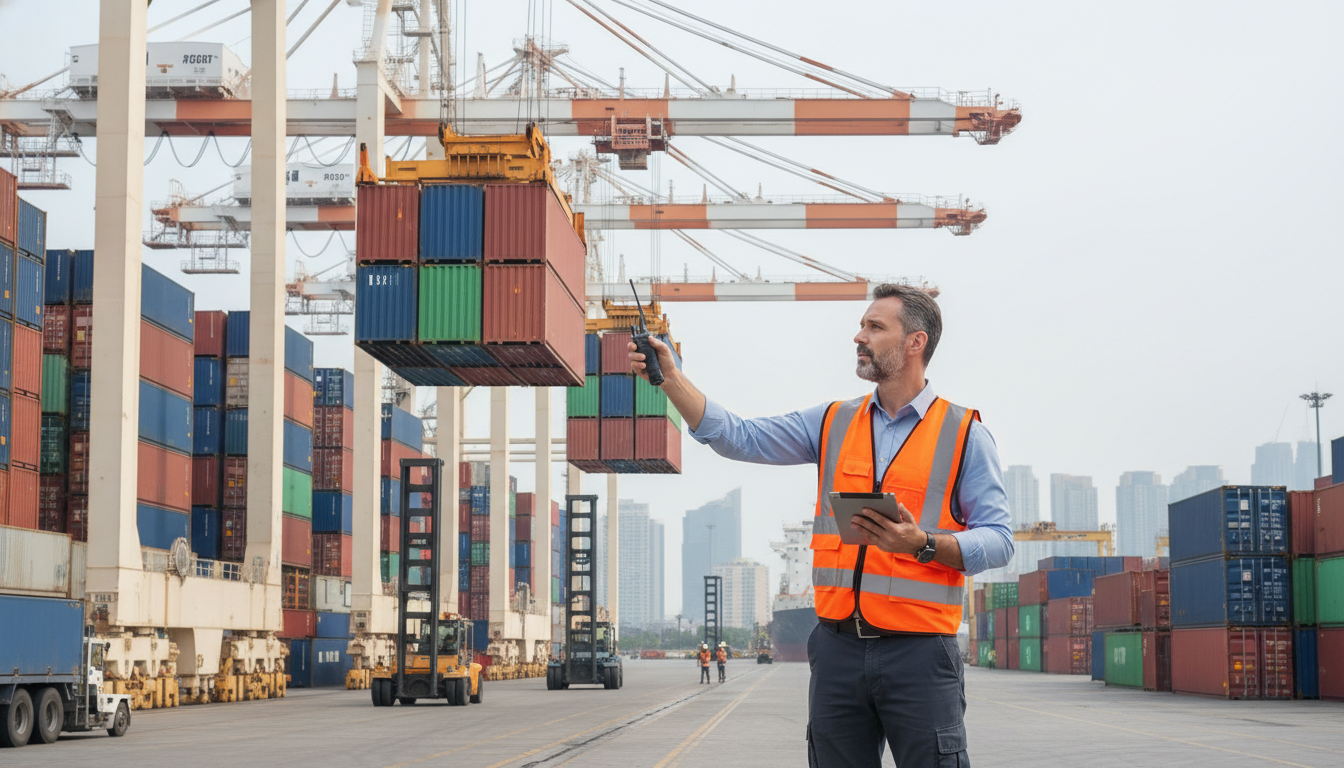
This section addresses frequently asked questions regarding the FBA shipping process, offering clear answers and practical advice to alleviate common concerns of new sellers.
- What are the main costs associated with FBA?
- Sellers should account for FBA fees, which include storage fees and shipping costs. It’s essential to understand these costs to accurately price products and maintain profitability.
- How long does shipping from China to Amazon take?
- Shipping durations can vary based on the chosen method. Typically, air freight takes 2-4 weeks, while sea freight can take longer depending on port processing times and transit routes.
- What happens if my shipment is delayed?
- In the event of a delay, sellers should contact their freight forwarder for updates and information on the status of their shipment. Maintaining open communication helps manage expectations and plan accordingly.
- How do I handle returns and refunds with FBA?
- Sellers must follow Amazon’s return policy guidelines. This includes understanding the process for handling customer returns and ensuring that any necessary adjustments are made within the seller account.
| Question | Answer |
|---|---|
| What are the main costs associated with FBA? | FBA fees, storage fees, shipping costs |
| How long does shipping from China to Amazon take? | 2-4 weeks depending on method |
| What happens if my shipment is delayed? | Contact your freight forwarder for updates |
| How do I handle returns and refunds with FBA? | Follow Amazon’s return policy guidelines |
Final Words
Final Words
Navigating the process of Your First FBA Shipment from China involves several critical steps. From sourcing quality products and preparing them for shipment to understanding customs clearance and finalizing delivery to Amazon’s fulfillment centers, each phase is essential for success.
Avoiding common pitfalls, such as underestimating shipping costs and ensuring compliance with packaging requirements, will streamline operations. Leveraging additional resources and tools can further enhance efficiency.
With a solid grasp on logistics and adherence to best practices, sellers can confidently embark on their FBA journey, paving the way for future growth and success.
FAQ
Q: What are the main costs associated with FBA?
A: Main costs include FBA fees, storage fees, and shipping costs, which vary based on product size and weight.
Q: How long does shipping from China to Amazon take?
A: Shipping typically takes 2-4 weeks, depending on the chosen shipping method, such as air or sea freight.
Q: What happens if my shipment is delayed?
A: In case of a delay, sellers should contact their freight forwarder for updates and to explore alternative solutions.
Q: How do I handle returns and refunds with FBA?
A: Sellers should follow Amazon’s return policy guidelines to manage returns and refunds efficiently for their FBA products.
Ready to Optimize Your Amazon Shipping?
Get 3 route options tailored to your products and timeline
Get Your Quote→