How to Choose the Best-Value Shipping Method for FBA
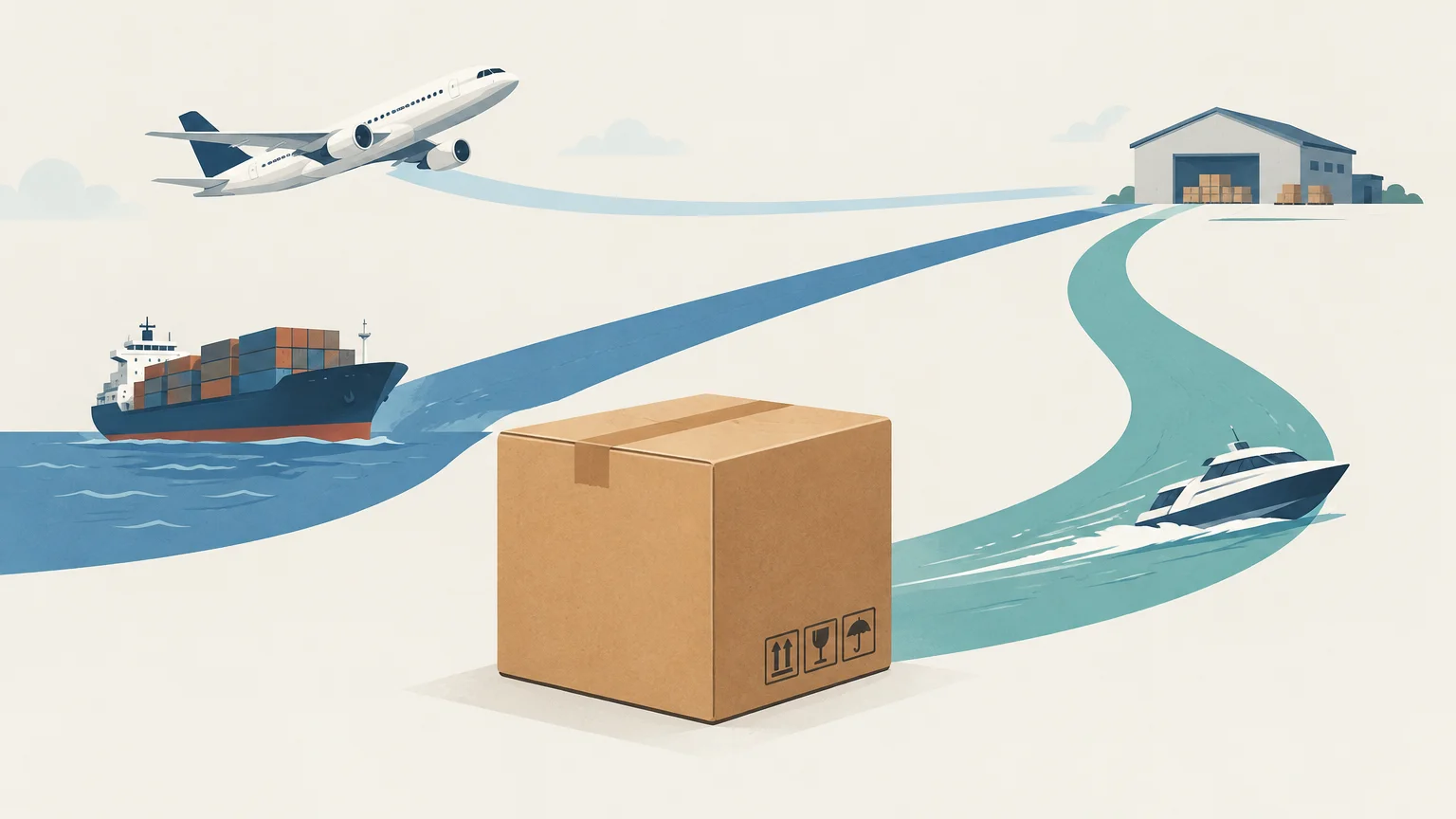
Summary: The best-value FBA shipping method is the one that balances your full inbound cost with the date inventory needs to reach Amazon. For shipments from China, compare air, fast boat, and ocean freight by shipment size and urgency. Include customs, duties, final delivery, and Amazon inbound placement charges, then verify that the route serves your destination.
For US FBA sellers, the lowest freight quote does not always mean the best value. A late arrival or an extra charge can erase the apparent savings. If your supplier ships from China, you can compare the four shipping modes for Amazon FBA before choosing a route. The best-value shipping method for FBA is the one that fits your margin and replenishment date at a complete, comparable cost.
That calculation should distinguish international freight from domestic inbound shipping. Include pickup, export handling, customs, duties and taxes, delivery to the assigned fulfillment center, and any Amazon inbound placement charge. If inventory is already in the US, compare the parcel or pallet options available for that specific shipment instead of applying an international freight comparison.
What does value mean for an FBA shipment?
Think of value as total landed cost weighed against the cost of waiting for stock. A low per-kilogram rate is useful only if it includes the services your shipment needs and delivers within your inventory window. A route that arrives after you run out of stock can carry a business cost beyond the freight invoice.
For a supplier-to-warehouse shipment, compare the same scope across every quote. Check whether it includes collection, export declaration, international transport, customs clearance, duties and taxes, and delivery to the Amazon destination. Amazon inbound placement charges are a separate cost to add to that comparison.
Amazon’s US guidance for 2026 describes different placement options, fees, and eligibility requirements. Amazon-optimized shipment splits have no placement fee when their requirements are met, including at least five identical cartons or pallets per item; the available options depend on the shipment. Review the current estimate in your shipping plan using Amazon’s placement fee guidance before deciding that one routing plan is cheaper.
A launch order and a replenishment order need different routes
A new product launch with a narrow arrival window has different priorities from a planned bulk restock. Air freight is positioned for urgent, lightweight, or high-value shipments when speed matters most. Ocean freight is positioned for larger, planned loads when minimizing freight cost per unit matters more than rapid arrival.
Fast boat can suit recurring e-commerce cartons when you need a middle ground between speed and cost. Route availability and price depend on the shipment and destination, so confirm both in the quote. Rail is a China-to-Europe option in our route portfolio, not a route to assume for US FBA destinations.
For a launch, some sellers compare sending a smaller urgent quantity by air with sending the remaining planned stock by ocean. This approach can reduce the amount of inventory exposed to a slower transit schedule, but it also means managing two shipments and their separate costs. Use sales forecasts and the inventory date you need to cover before splitting an order.
For a fuller explanation of mode trade-offs, read about Amazon FBA shipping options for private-label sellers.
Which shipping method fits your inventory?
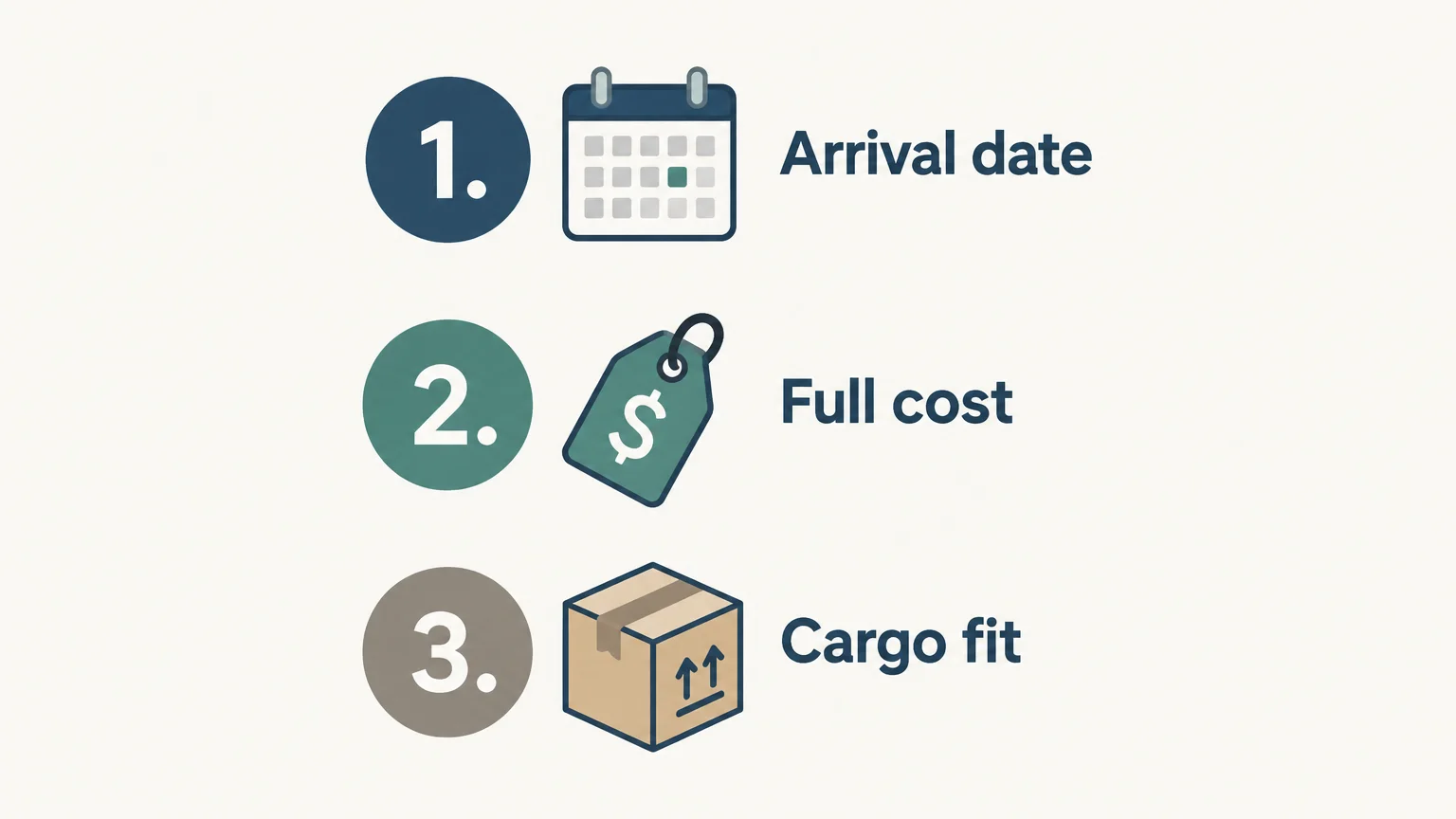
Start with your inventory deadline, then test whether the shipment’s size and characteristics suit the route. These practical rules help narrow the options:
- Urgent restock: Compare air freight when a stockout or launch date makes speed the priority. Account for its premium cost in your margin calculation.
- Regular cartons: Compare fast boat when a recurring shipment needs a balance of timing and transport cost. Confirm the specific route and estimated timeline.
- Planned volume: Compare ocean freight for larger loads when your reorder schedule leaves time for a slower route.
- European destination: Consider rail only when the destination and quoted route support China-to-Europe delivery.
- Inventory already in the US: Compare the parcel or pallet shipment options shown for the destination in your Amazon shipping plan. Treat this domestic leg separately from supplier-to-US freight.
The best fit can change between orders, even for the same product. A first shipment may prioritize launch timing, while a later replenishment can move more volume through a lower-cost route once demand is clearer. You can also compare ocean freight and air freight for FBA when those are your main alternatives.
How can you compare freight quotes fairly?
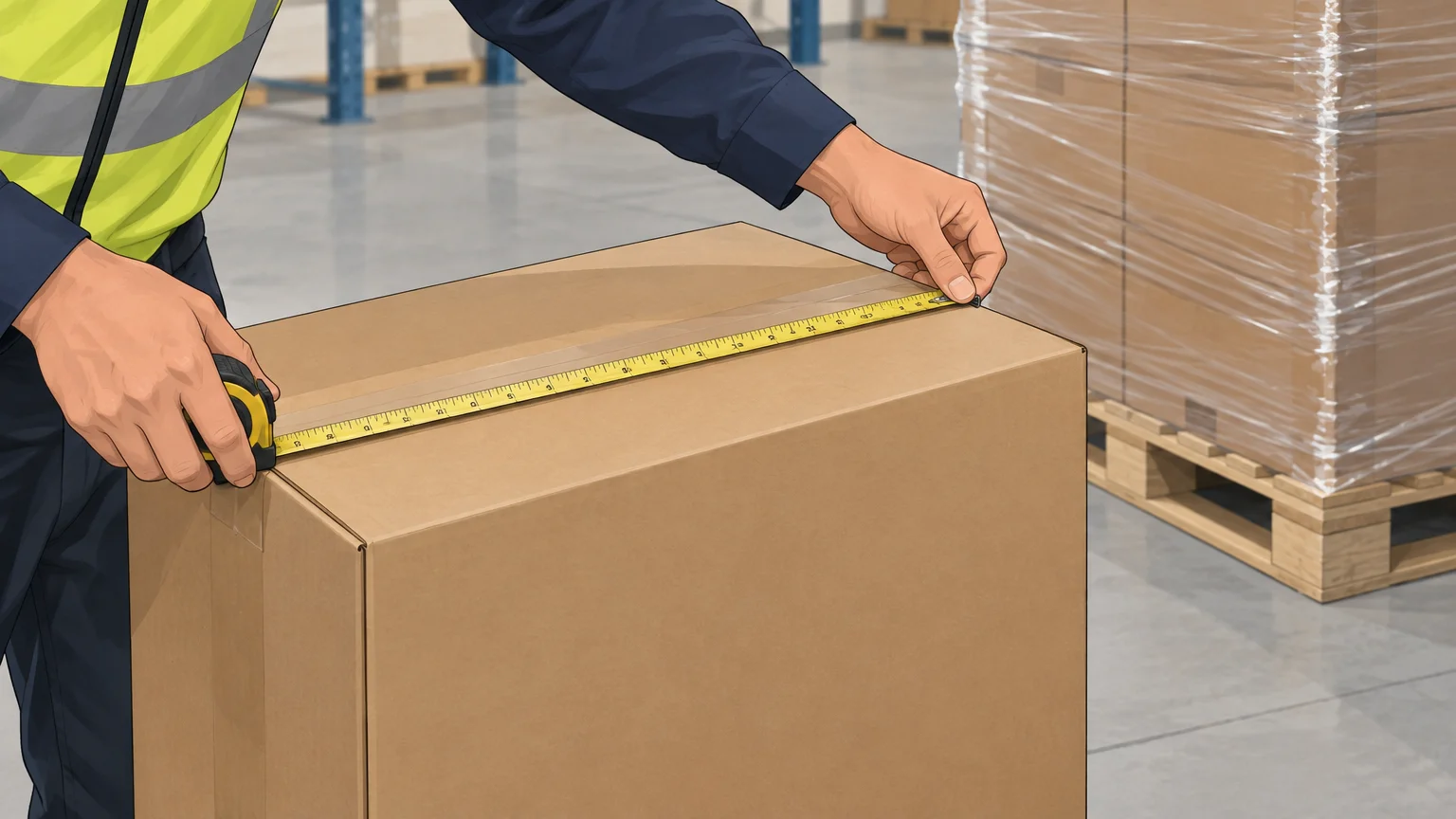
Give each provider the same shipment details: product type, carton count, dimensions, gross weight, pickup location, destination, and required delivery date. Ask for the estimated timeline and a clear list of included services. If a quote excludes customs, duties, final delivery, or a required handling charge, add those costs before comparing totals.
A 2023 shipping-cost estimation study used package attributes, carrier information, and route plans as inputs. That supports a practical comparison rule: do not judge quotes by weight alone. Accurate carton dimensions, destination, shipment size, and service scope help make a route comparison meaningful. For more cost-control ideas, see how to reduce your Amazon FBA freight costs.
We provide three route options with pricing and estimated timelines within 24 hours after receiving shipment information. Our team began as Amazon sellers shipping inventory from China and has more than five years of China shipping experience. We have tested dozens of routes, which informs our route recommendations. We also claim average savings of 10–20% per shipment through tested routes; that is our first-party claim, not an independently verified result.
Which customs terms should US sellers verify?
Before booking, check who is named as importer of record and how duties, taxes, and customs clearance are handled. US Customs and Border Protection explains that even when you use a customs broker, the importer of record remains responsible for the accuracy of entry documents and applicable duties, taxes, and fees. Review CBP’s importer guidance and confirm the arrangement in your shipment documents.
Our DDP routes include destination customs clearance and duties and taxes in the quoted shipment price. Our service identifies QG Horizon as the importer of record at destination. Check the named parties and shipment paperwork for your specific order, especially when export declarations or product requirements need special handling. A standard Chinese export declaration is included in our quote; an additional fee applies if the declaration is made under the supplier’s name for a Chinese export tax refund.
Choose the route that fits the whole shipment
Compare routes using the same shipment details, the same delivery scope, and the same Amazon placement assumptions. Choose air when urgency justifies its cost, and compare slower routes for planned replenishment or larger volumes. For every option, verify destination availability, customs responsibility, estimated timing, and the complete inbound cost before booking.
Plan your next FBA shipment with clear route options
If you are shipping from China to a US Amazon warehouse, the right choice depends on your cargo, deadline, customs arrangements, and complete cost. We started as Amazon sellers and built our logistics service around helping sellers compare routes against those practical requirements.
Send us your product details, quantities, weights, dimensions, and destination. We will provide three route options with pricing and estimated timelines within 24 hours, so you can compare the trade-offs before selecting a shipment. Our Amazon FBA shipping services coordinate supplier pickup, international freight, destination customs, DDP duties and taxes, door-to-door delivery, and shipment tracking. Estimates depend on shipment details and route availability.
Frequently Asked Questions
Is ocean freight always the best value for FBA?
No. Ocean freight is positioned for large or planned shipments when cost matters more than speed. Air or fast boat may better fit urgent restocking or recurring cartons with tighter delivery needs.
When should I use air freight for an FBA shipment?
Consider air when inventory is urgent, lightweight, or high-value and the faster route justifies its premium cost. Compare its full delivered price with the cost of running short on stock.
Can I use rail freight to ship inventory to US FBA?
Do not assume rail is available for a US destination. Our rail route is described for China-to-Europe shipments, so confirm destination and route availability before including rail in a comparison.
Are Amazon inbound placement fees part of the freight quote?
They are a separate Amazon charge, not necessarily part of the international freight quote. Check the placement option and fee shown in your shipping plan, then include it when comparing total inbound costs.
What does your China-to-FBA quote include?
Our DDP routes include destination customs clearance, duties and taxes in the quoted shipment price, along with door-to-door delivery. We provide three route options with pricing and estimated timelines within 24 hours after receiving shipment details.
Ready to Optimize Your Amazon Shipping?
Get 3 route options tailored to your products and timeline
Get Your Quote→