FCA as a Term of Sale: Delivery, Risk, and Costs Explained
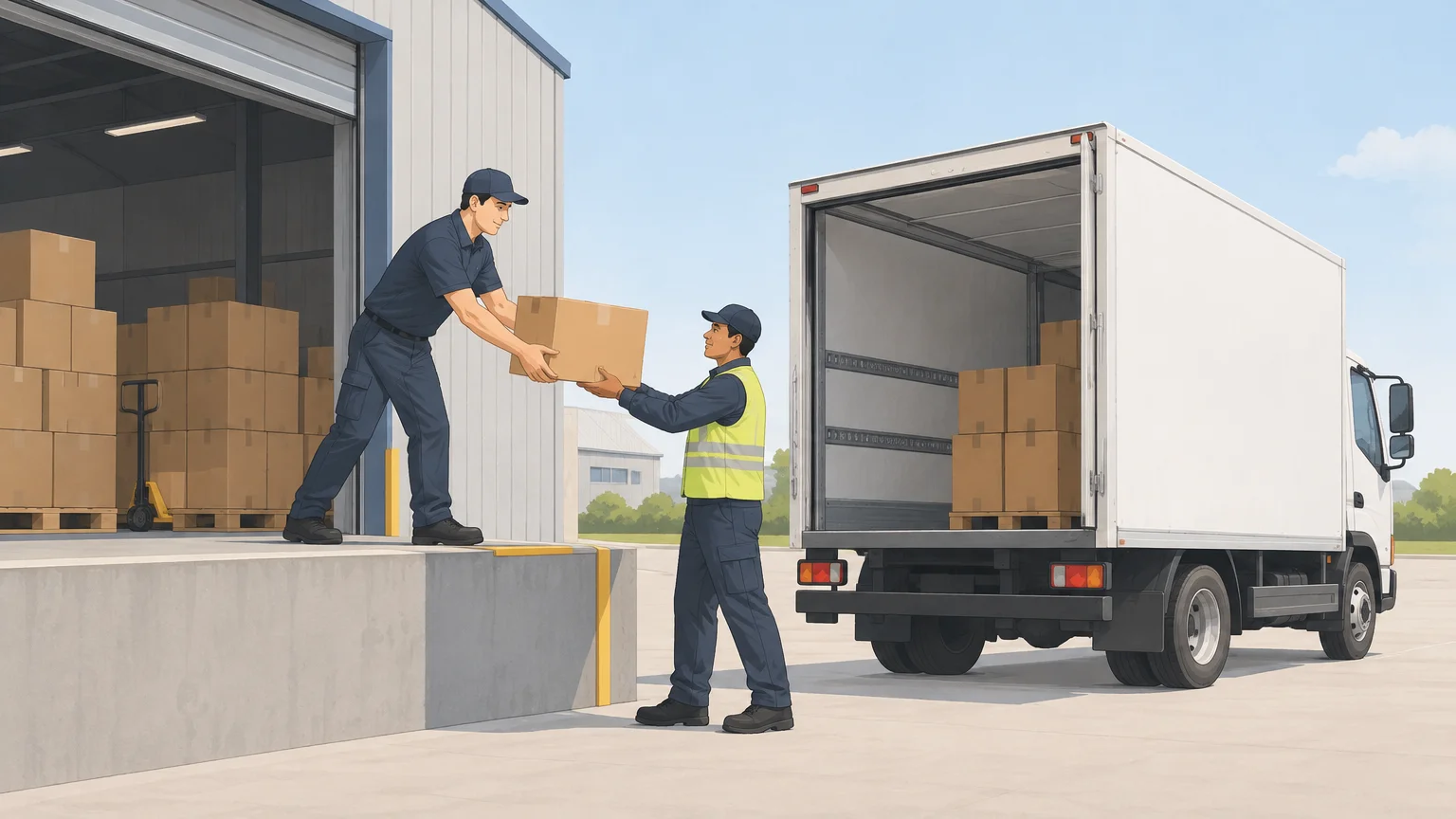
Summary: FCA, or Free Carrier, is an Incoterms® term of sale under which the seller delivers goods to the buyer’s nominated carrier at the seller’s premises or another named place. Risk transfers at that agreed delivery point. The seller handles export clearance; the buyer generally arranges and pays for the main carriage and import side.
When does the buyer take on risk under FCA: when goods leave the seller’s site, or when the buyer’s nominated carrier receives them? That detail determines who manages the next leg of the shipment. If you are reviewing FCA terms of sale, focus first on the precise handoff point, not simply the city or port written in the order.
An FCA term of sale means Free Carrier. Under Incoterms® 2020, the seller delivers goods to the buyer’s nominated carrier at the seller’s premises or another named place, and risk transfers at that agreed point. If you searched “fca term of sale,” the key distinction is that the seller handles export clearance while the buyer arranges the main carriage and import side. Incoterms allocate delivery obligations, costs, and risk, but do not replace the sales contract.
FCA in a sales contract: what does it mean?
Suppose a U.S. business buys goods from a supplier abroad and hires a carrier to bring them to the United States. With FCA, the seller’s delivery obligation ends at the specified handoff, not when the goods arrive at the buyer’s warehouse. FCA can apply to any mode of transport, including a shipment that uses several modes. The U.S. Commerce guidance describes Incoterms® 2020 as a set of rules allocating responsibilities such as export formalities and the transfer of risk.
FCA is useful when the buyer wants to select or manage the main carrier while the seller handles export clearance and delivery to an agreed point. It is not a complete shipping plan by itself: the contract should make clear who books the main carriage, where delivery occurs, and which Incoterms edition applies. A buyer in the U.S. should also coordinate import arrangements separately from the seller’s export responsibilities.
Where exactly does delivery and risk transfer?
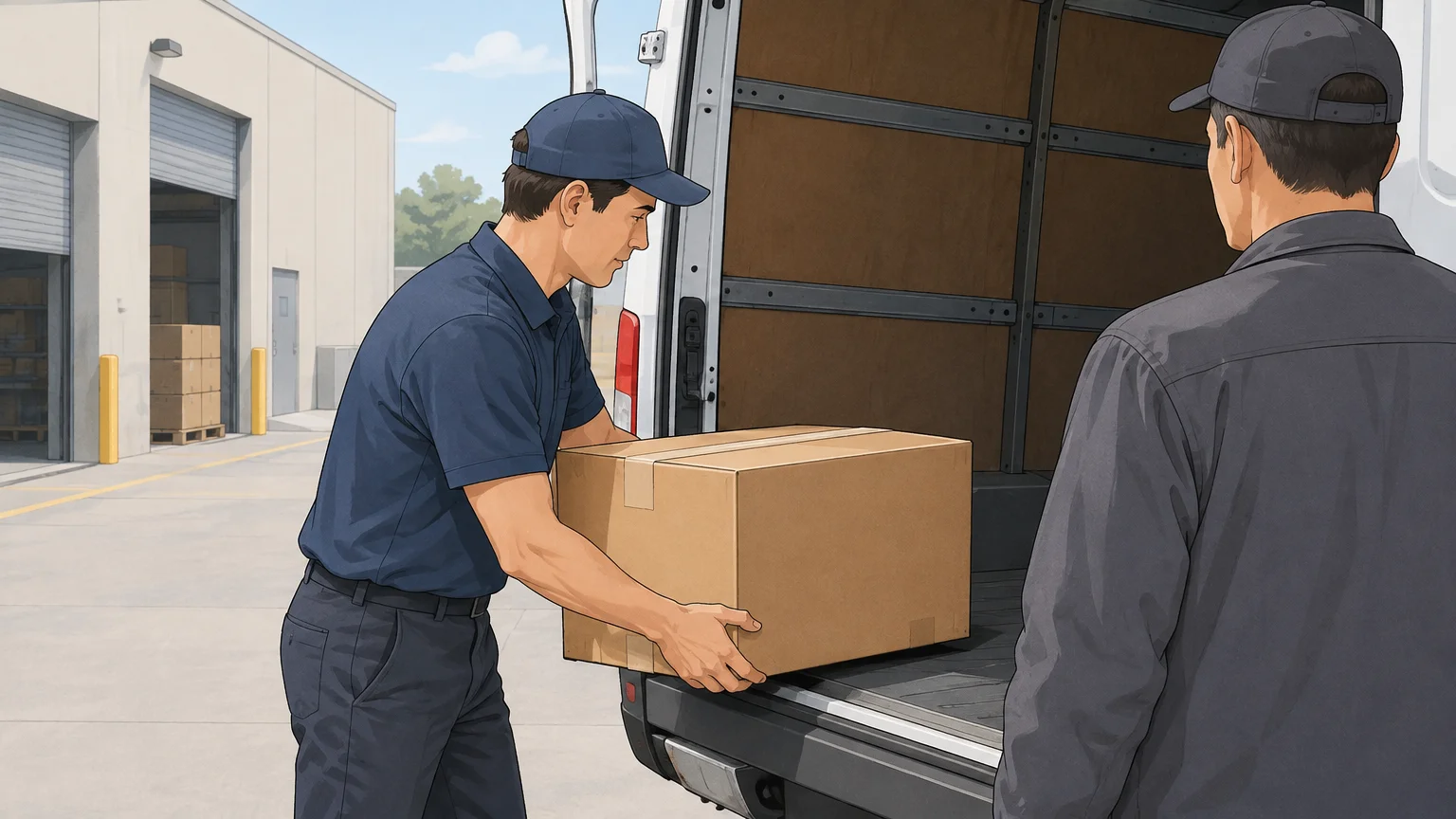
The named place determines the seller’s delivery task. If delivery is at the seller’s premises, the seller delivers when the goods are loaded onto the collecting vehicle arranged by the buyer. At another named place, the seller transports the goods there and makes them available to the buyer’s nominated carrier, ready for unloading from the seller’s vehicle.
The risk transfer follows that delivery point. If the seller hires a local haulier to take goods to a terminal, handing them to that seller-hired haulier does not necessarily complete FCA delivery. The relevant handoff is to the carrier or other person nominated by the buyer at the point specified in the contract. The ICC’s FCA delivery guidance explains why the parties should identify that point precisely.
This is why “FCA, Los Angeles” may leave important details unclear. A named facility, loading area, or receiving point helps both parties identify when delivery is complete and when the buyer assumes risk. The more precisely the point is stated, the easier it is to coordinate pickup and document the handoff.
Who pays each cost under FCA?
After delivery, the buyer generally arranges and pays for the main carriage, along with import clearance and applicable import duties. The seller handles the costs and tasks needed to deliver the goods under FCA, including export clearance. Keep cost allocation separate from risk: the contract should state where delivery takes place, while the Incoterm sets the parties’ respective obligations.
For a shipment that needs pickup, international freight, destination customs, duties, and delivery to an Amazon warehouse coordinated together, our China-to-Amazon freight-forwarding service is structured around DDP instead. That is a separate arrangement, so the sales terms should describe the agreed service accurately rather than treating DDP handling as part of FCA.
How should you write the FCA named place?
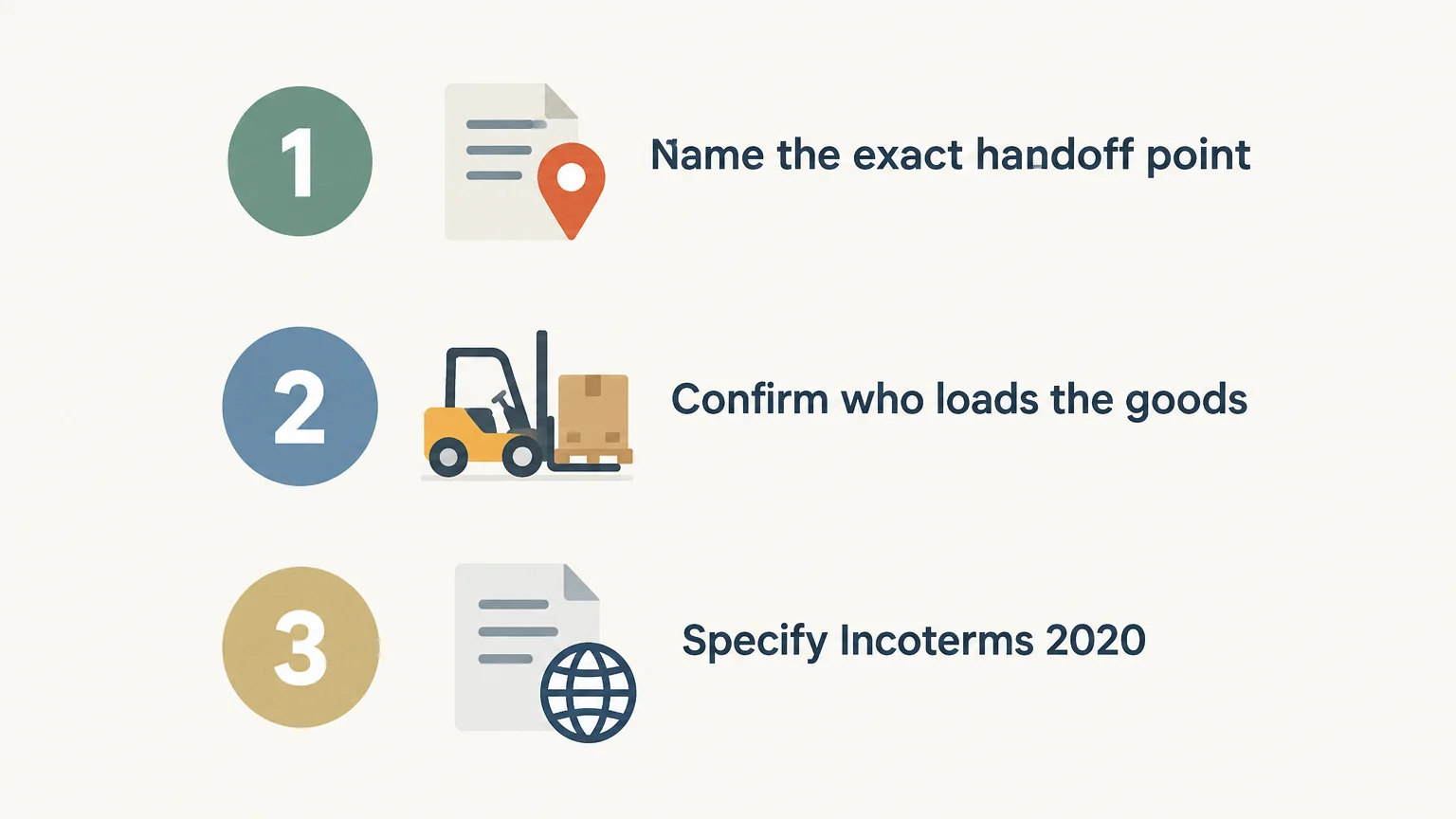
A clear contract line identifies the exact place and point of delivery, then names the applicable rules edition. For example: FCA [specific facility and handoff point], Incoterms® 2020. Replace the bracketed text with a precise address or operational point agreed by both parties, rather than relying on a broad city or port name.
Before signing, confirm whether the seller is delivering at its own premises or transporting the goods to another location. Clarify who loads or unloads at the chosen point, who books the main carriage, and who handles export and import formalities. The ICC’s contract guidance also notes that Incoterms do not replace the sales contract. Record other commercial terms, such as payment and transfer of ownership, separately.
How does FCA differ from DDP, EXW, and FOB?
For a U.S. importer, the practical difference is who manages the shipment after the seller’s delivery point. Under FCA, the seller handles export clearance and delivers at the named point, while the buyer generally arranges the onward carriage and import side. Under DDP, the seller is responsible for delivery to the named destination, including import clearance and duties. UK government guidance outlines these distinctions and emphasizes the importance of specifying the precise delivery point under FCA.
EXW places fewer delivery tasks on the seller: the goods are made available at the agreed location, and the buyer takes on more of the pickup and export process. FOB is limited to sea and inland waterway transport, with delivery when goods are placed on board the vessel. FCA can be used across transport modes, making it relevant to air, road, rail, ocean, or multimodal shipments.
Our DDP shipments from China to Amazon warehouses include destination customs clearance and duties and taxes in the quoted shipment price, with QG Horizon acting as the official importer of record at destination. A standard Chinese export declaration is included; an additional fee applies when the declaration is made under the supplier’s name for a Chinese export tax refund. This describes our DDP service, not the responsibilities established by FCA.
Conclusion
The decisive detail in Free Carrier delivery is the exact place and point where the seller hands the goods to the buyer’s nominated carrier. Specify that point, the Incoterms edition, and each party’s transport and customs responsibilities in the contract. Clear wording makes the risk handoff and next shipping steps easier to manage.
Plan the route after the sales terms are clear
Once the FCA delivery point is documented, the next decision is who will coordinate the shipment beyond that handoff. For inventory moving from China to an Amazon warehouse, we can coordinate those logistics under a separately agreed DDP shipment.
Our freight forwarding services coordinate supplier pickup, international transport by air, fast boat, ocean, or rail, Chinese export declaration, destination customs clearance, duties and taxes under DDP, door-to-door delivery, and shipment tracking. The DDP quote includes destination customs and duties, while an additional fee applies for a supplier-name export declaration used for a Chinese export tax refund. Request a shipment-specific quote to compare route options and estimated timing.
Frequently Asked Questions
What does FCA mean in a sales contract?
FCA means Free Carrier, an Incoterms rule for delivery to a carrier or other person nominated by the buyer. The seller’s delivery obligation and the buyer’s risk begin at the agreed handoff point.
Who pays for freight under FCA?
The buyer generally arranges and pays for the main carriage after FCA delivery. The seller covers the tasks and costs required to deliver the goods at the named point, including export clearance.
Does the seller handle export clearance under FCA?
Yes, the seller is responsible for export clearance under FCA. The buyer generally handles import clearance and applicable duties.
Can FCA be used for air or ocean shipments?
Yes, FCA applies to any mode of transport, including air, ocean, road, rail, and multimodal shipments. FOB, by contrast, is for sea and inland waterway transport.
Is FCA the same as DDP?
No. Under FCA, the buyer generally arranges the main carriage and import side after delivery at the named point; DDP assigns delivery to the named destination and import duties to the seller. Our DDP forwarding for China-to-Amazon shipments coordinates destination customs and duties as a separate service arrangement.
Ready to Optimize Your Amazon Shipping?
Get 3 route options tailored to your products and timeline
Get Your Quote→