FCA in Logistics: Meaning, Responsibilities, and Risk Transfer
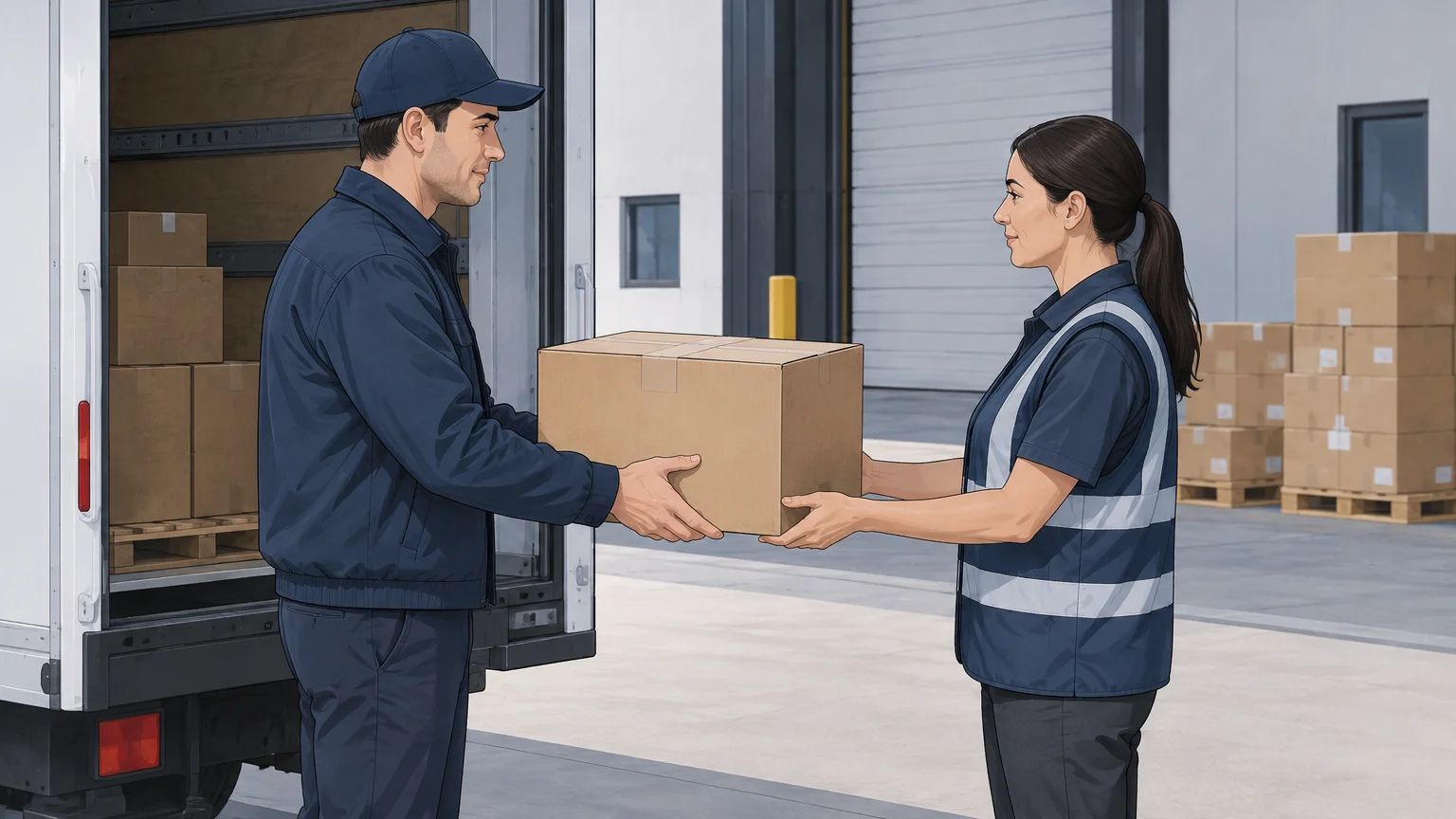
Summary: FCA, or Free Carrier, sets the point where the seller hands goods to a buyer-nominated carrier and risk passes to the buyer. The seller handles export clearance, while the buyer generally arranges onward transport and import formalities. A precise named place, clear loading instructions, and an agreed Incoterms edition help prevent misunderstandings.
When does the seller’s responsibility end if goods still have a long journey ahead? Under FCA, the answer is the agreed handover point, not the final destination. If you are reviewing supplier shipping language, our FCA in shipping resource provides related context.
Understanding FCA in logistics means separating the delivery point from the rest of the journey. The seller delivers goods to a carrier or person nominated by the buyer, while the buyer typically arranges the main carriage. For U.S. businesses buying internationally, the precise location and the allocation of customs responsibilities matter when planning costs and risk.
What does FCA mean in logistics?
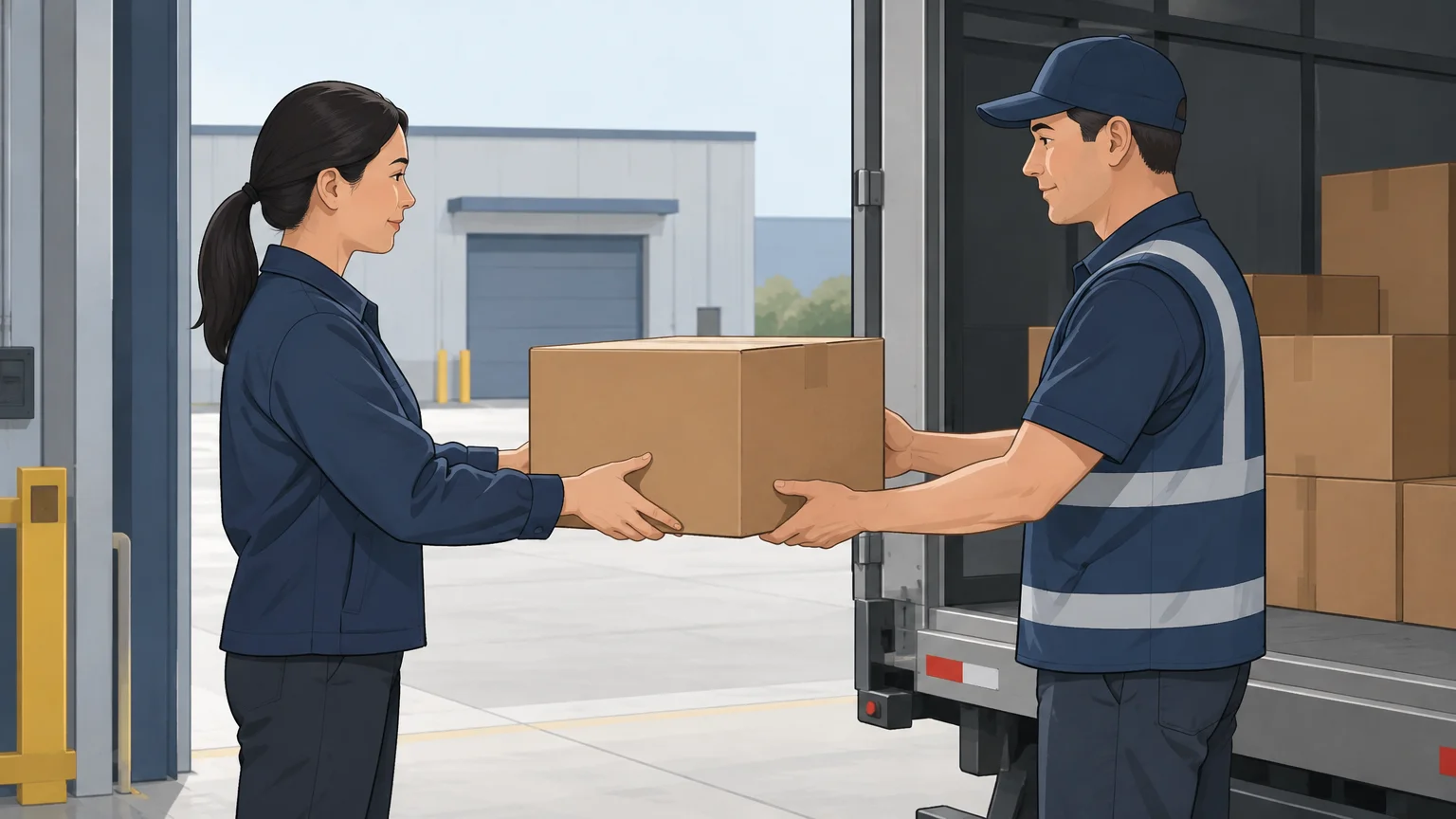
FCA stands for Free Carrier, one of the Incoterms® rules used to allocate delivery responsibilities, costs, and risk between a seller and buyer. It can apply to any mode of transport, including shipments that combine several modes. Under the rule, the seller delivers the goods to a carrier or another person nominated by the buyer at the seller’s premises or another named place. The ICC’s FCA rule explains that this delivery point is also where risk transfers.
The precise handover depends on the named place. If delivery is at the seller’s premises, the seller loads the goods onto the collecting vehicle arranged by the buyer. If delivery is elsewhere, the seller transports the goods there; delivery occurs when they are ready for unloading from the seller’s vehicle and placed at the nominated carrier’s disposal.
This distinction makes the named place more than a general location. A warehouse address, for example, might include multiple docks or pickup points. Naming the exact point helps both parties identify when the seller has completed delivery and the buyer’s risk has begun.
Who handles costs, loading, and customs under FCA?
Picture a seller delivering packed goods to a freight terminal selected by the buyer. The seller’s role covers preparation for export and delivery to the agreed handover point. After delivery, the buyer generally takes charge of arranging and paying for onward carriage.
- Seller: prepares the goods for delivery, completes export clearance, and delivers them to the buyer-nominated carrier at the agreed place. The seller loads the goods if that place is the seller’s premises.
- Buyer: nominates the carrier, arranges the main carriage, and handles import clearance and applicable import duties and taxes. The buyer assumes risk once delivery takes place under the agreed FCA arrangement.
The loading obligation changes when the named place is not the seller’s premises. In that case, the seller carries the goods to the agreed location on its transport and makes them available to the nominated carrier, ready for unloading. Confirming who will handle each movement helps prevent an unplanned gap between pickup and handover.
What should your FCA shipping terms specify?
Suppose a purchase order says only “FCA, Chicago.” That wording may not identify the particular warehouse, terminal, or loading point where delivery occurs. The U.S. trade guidance explains that Incoterms allocate responsibilities for export requirements, delivery, and risk. Put the exact place and, where practical, the specific point in the sales contract.
A clear contract entry identifies the rule, named delivery point, and applicable edition, such as “FCA [specific terminal and point], Incoterms® 2020.” Also coordinate the carrier’s arrival time, loading arrangements, shipment documents, and the proof of handover. The Incoterm helps divide responsibilities, but it does not replace the rest of your sales and transport agreements.
Before accepting a supplier quote, check whether its price includes delivery to the named point and export clearance. Separately confirm who books and pays for transport beyond that point, and who will manage import formalities. These checks make the cost allocation visible before the goods move.
How does FCA compare with DDP?
With FCA, the seller’s delivery obligation ends at the agreed handover point, and the buyer generally arranges the main carriage and import side. With DDP, the seller’s responsibilities extend to the named destination and include import clearance and duties. Government Incoterms guidance describes both rules and emphasizes the importance of identifying the delivery point clearly.
That difference affects how much coordination the buyer must manage. FCA gives the buyer control over the carrier and onward transport, but the buyer must arrange those services and understand its import responsibilities. DDP places more of the transport and destination customs process with the seller, subject to the agreed contract and quote.
Our documented service is DDP door-to-door shipping, not an FCA-specific service. We coordinate supplier pickup, international freight, destination customs clearance, duties and taxes under DDP, and delivery to Amazon warehouses. For a closer look at the transport context, read our FCA transportation resource. When comparing options, check where delivery occurs, which party manages import formalities, and what the quote includes.
When is FCA a practical choice for your shipment?
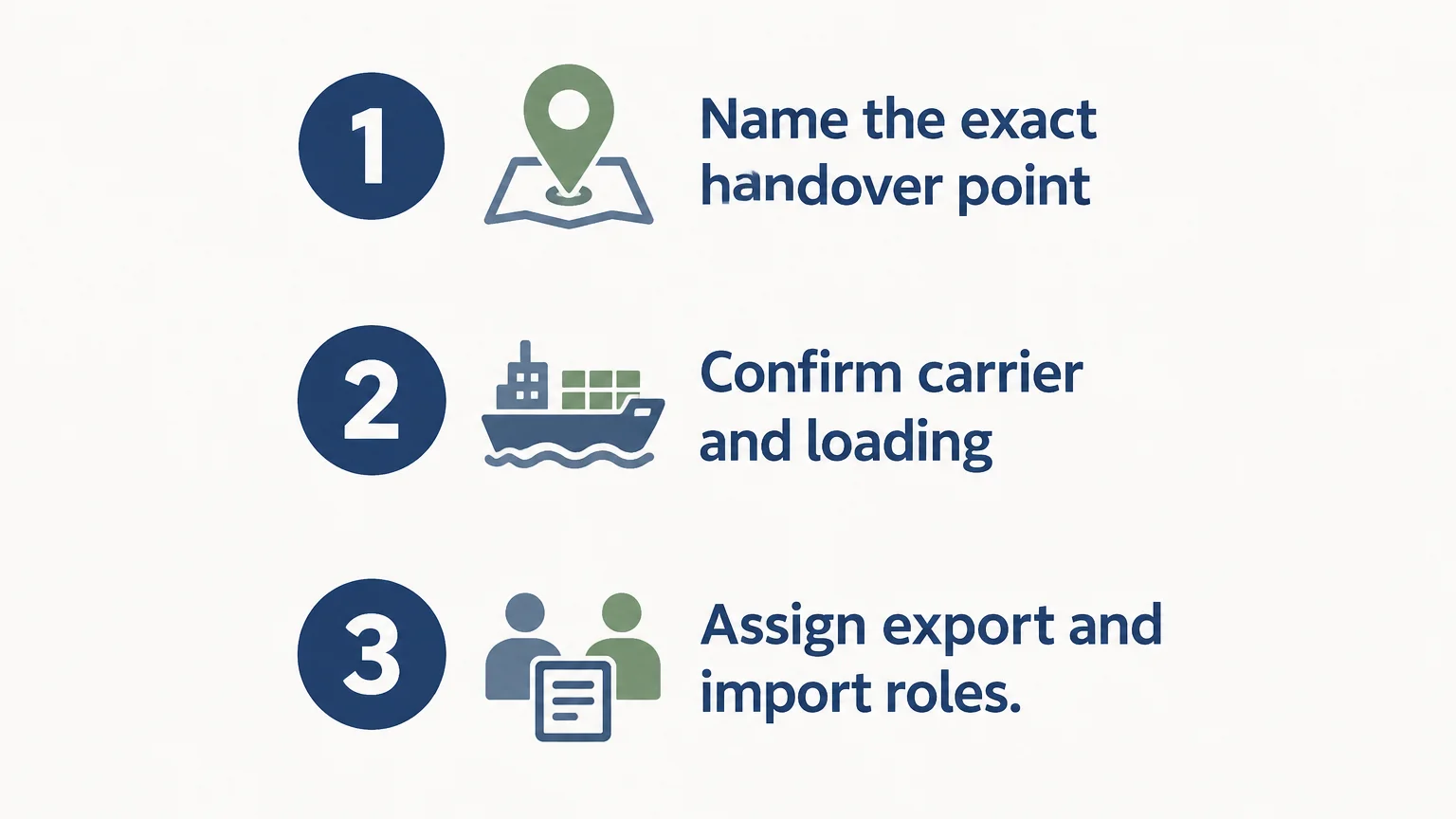
FCA can suit a buyer that wants to select its own carrier and manage transport after the seller’s delivery point. It also works across different transport modes. Before you agree, consider whether you have the capacity to book the onward movement, track the handover, and coordinate import clearance.
Use these checks to clarify the arrangement:
- Specify the exact delivery place and point, not only a city or broad facility.
- Confirm who books the carrier, what loading is included, and how delivery will be recorded.
- Agree who handles export clearance, import clearance, duties, and taxes.
- Compare the complete transport and customs responsibilities with any delivered alternative.
If you need help interpreting a quote, our overview of the freight FCA term offers additional context. Ask your supplier and carrier to confirm the same delivery point and responsibilities in writing before shipment.
Key points about FCA in logistics
FCA shipping terms define delivery at a named handover point, where risk passes from seller to buyer. The seller handles export clearance, while the buyer generally arranges onward transport and import formalities. State the exact point and Incoterms edition, then confirm loading, carrier, and customs responsibilities before accepting the quote.
Compare a Managed DDP Route
If your supplier quotes FCA, you generally need to arrange onward carriage and manage the buyer’s import responsibilities after the named handover. If you would rather assess a destination-managed option, compare the full scope of each quote, including pickup, transport, customs, duties, and delivery.
We coordinate shipments from Chinese suppliers to Amazon warehouses using air, fast boat, ocean, or rail routes. Our DDP service includes destination customs clearance, duties and taxes in the shipment quote, door-to-door delivery, tracking, and shipment support. Standard Chinese export declaration is included; an additional fee applies when the declaration is made under the supplier’s name for a Chinese export tax refund. Share your shipment details to review our freight forwarding services.
Frequently Asked Questions
Can FCA be used for air or ocean freight?
Yes. FCA applies to any mode of transport, including multimodal shipments. The parties should name the delivery point that determines where handover occurs.
Who pays for shipping under FCA?
The buyer generally arranges and pays for the main carriage after delivery at the named point. The seller remains responsible for its agreed delivery obligation and export clearance.
Does the seller load goods under FCA?
If delivery is at the seller’s premises, the seller loads the goods onto the buyer-arranged collecting vehicle. At another named place, the seller makes the goods available to the nominated carrier, ready for unloading.
Does FCA include import duties?
FCA does not assign the seller responsibility for import clearance and duties as DDP does. Under FCA, the buyer generally manages import formalities and applicable charges.
Can QG Horizon arrange an FCA shipment?
Our documented service is DDP door-to-door freight forwarding from Chinese suppliers to Amazon warehouses, rather than an FCA-specific service. If your supplier quotes FCA, confirm the named handover point and responsibilities, then compare that arrangement with our DDP route options.
Ready to Optimize Your Amazon Shipping?
Get 3 route options tailored to your products and timeline
Get Your Quote→