FCA Transportation: Free Carrier Rules Explained Clearly
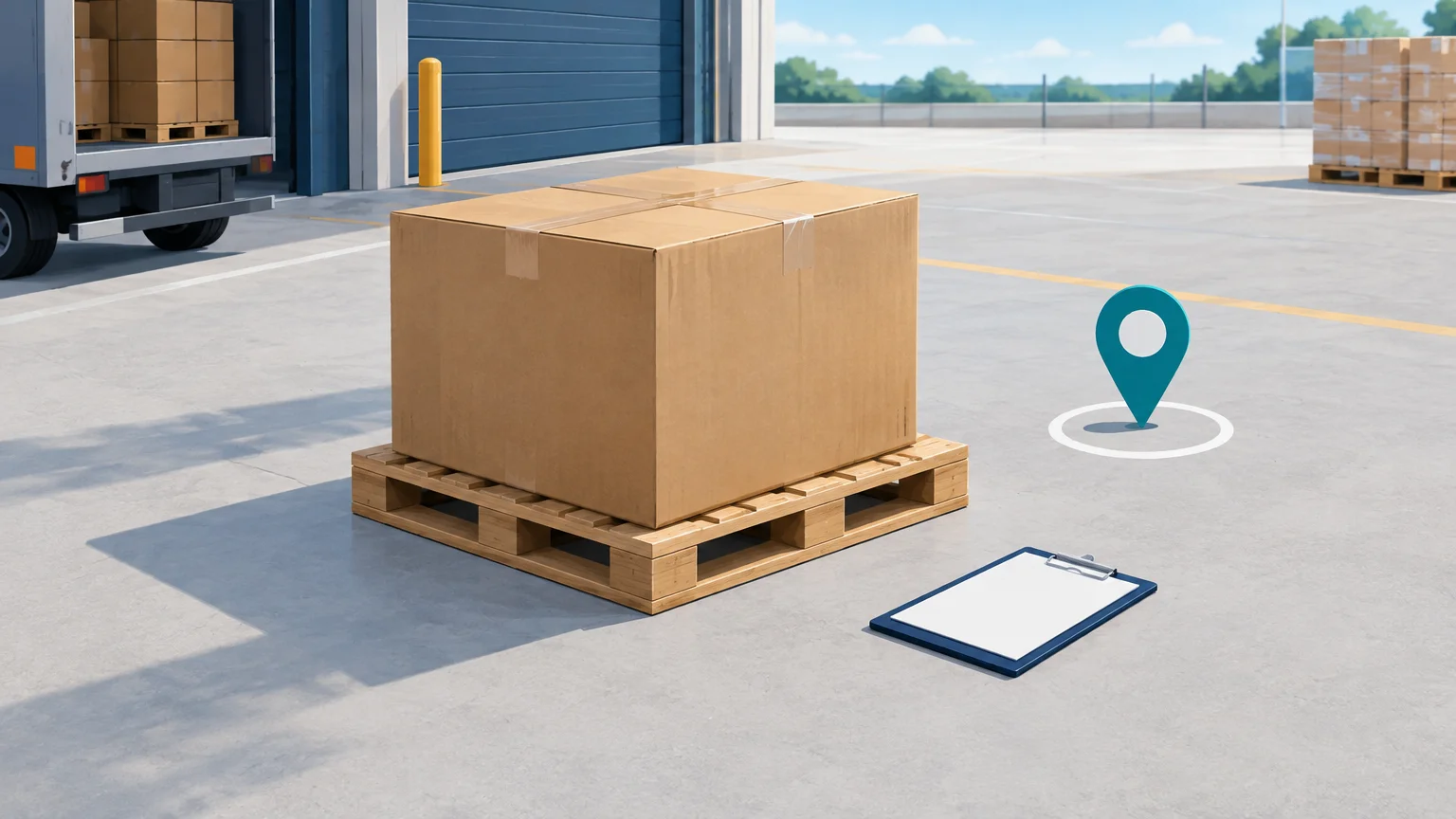
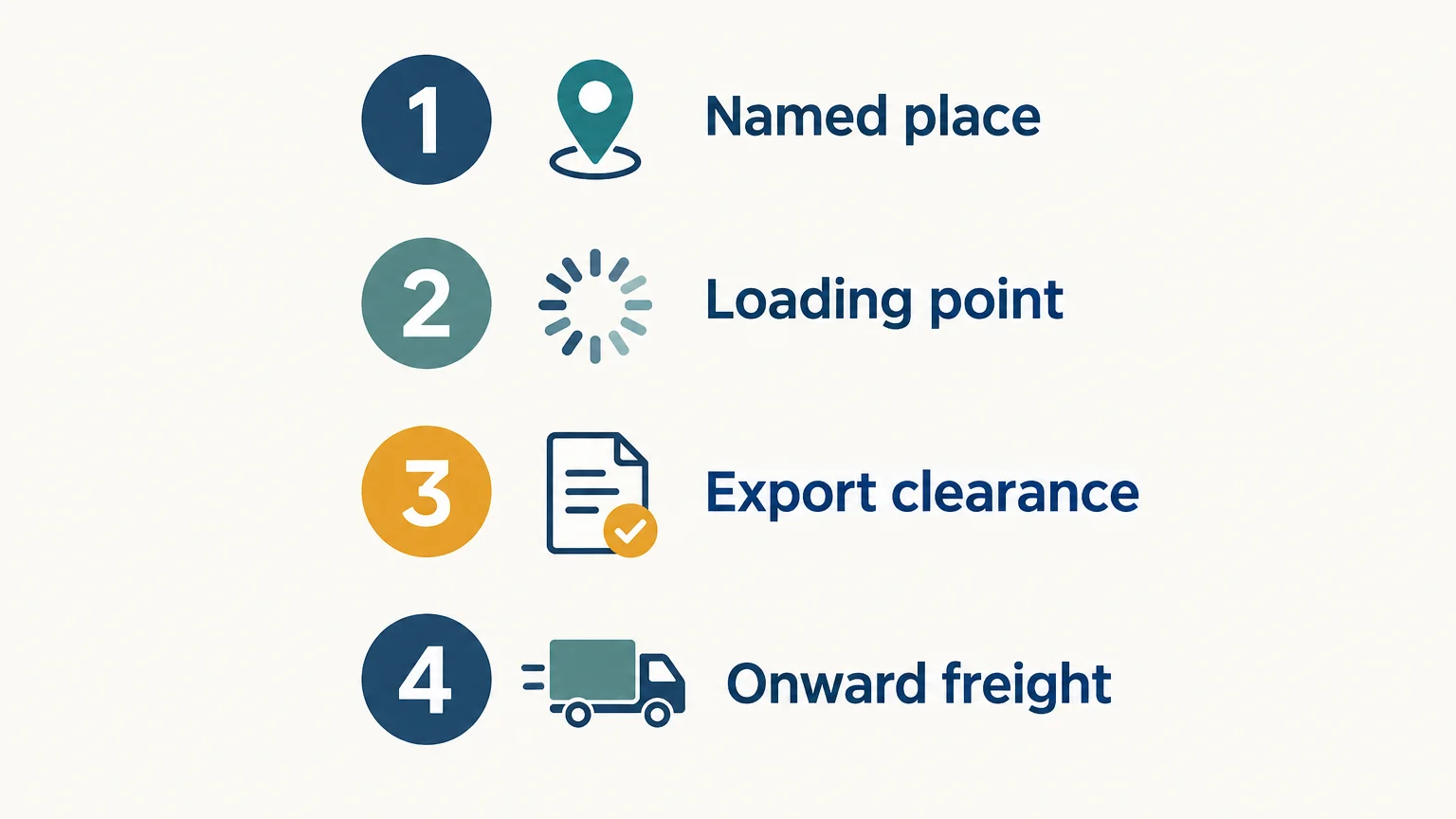
Summary: FCA, or Free Carrier, sets the point where a seller delivers goods to a buyer-nominated carrier and risk transfers to the buyer. The seller handles export clearance and delivery to the precisely named place; the buyer arranges onward transportation and import formalities. The exact loading responsibility depends on whether delivery occurs at the seller’s premises or another location.
When does the seller’s responsibility end, and when does the buyer take on the shipment’s risk? Under FCA, the answer depends on the exact delivery point agreed in the sales contract. For help understanding FCA transport terms, start by distinguishing the delivery handoff from the shipment’s final destination.
FCA means Free Carrier and is one of the rules in Incoterms® 2020. It applies to any mode of transport, including shipments that combine modes. The International Chamber of Commerce explains that the named delivery place identifies when risk transfers and costs become the buyer’s responsibility. In practice, writing only “FCA port” can leave important questions unanswered.
What does FCA mean in transportation?
Under FCA, the seller delivers the goods to a carrier or another person nominated by the buyer at the agreed named place. The seller also completes export clearance. Once delivery occurs under the agreed FCA arrangement, the buyer takes on the risk of loss or damage and arranges the next stage of transport.
The rule covers multiple transport modes, so the agreed handoff might be at a factory, warehouse, airport, or terminal. The place matters because it determines where the seller’s delivery obligation ends. For a closer look at FCA freight terms, make sure the contract identifies the precise handoff point, not just a city or general facility.
Where does risk transfer under FCA?
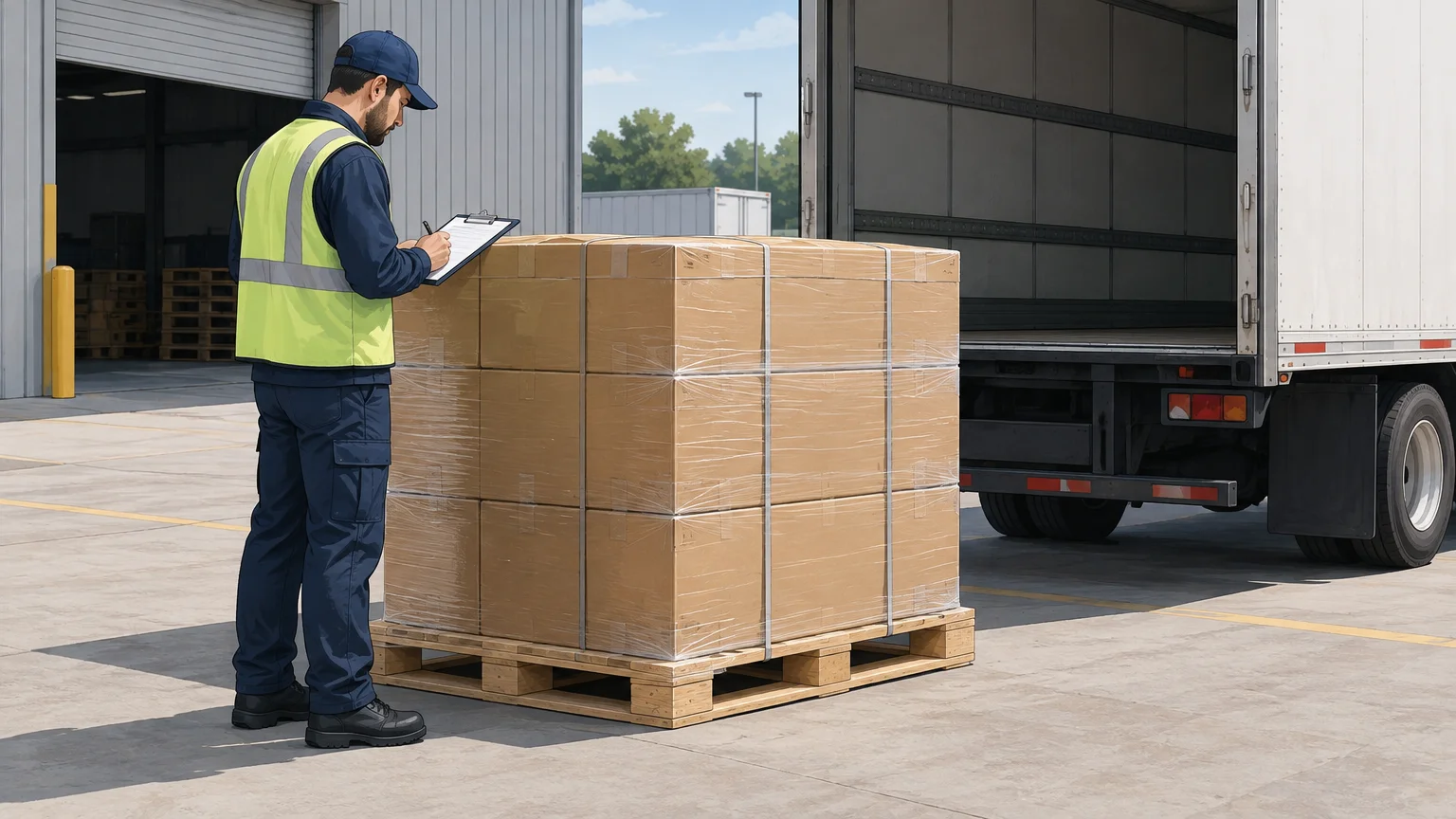
The delivery point is also the risk transfer point. The ICC’s FCA rule describes two different handoff situations, depending on whether the named place is the seller’s premises or another location.
- At the seller’s premises: delivery occurs when the seller loads the goods onto the collecting vehicle arranged by the buyer.
- At another named place: the seller brings the goods there on its own vehicle and makes them available to the buyer’s carrier, ready for unloading.
In either case, risk transfers at delivery, not when the cargo reaches its final destination. The ICC advises parties to specify the precise point within the named place. For example, a named warehouse and loading bay can be clearer than a city or terminal alone.
Who pays for what under FCA?
FCA divides costs around the point of delivery. The seller covers the costs required to prepare the goods, clear them for export, and deliver them to the agreed point. The UK government’s FCA guidance likewise describes delivery to the buyer-nominated carrier at the seller’s premises or another named place.
After delivery, the buyer generally arranges and pays for onward transportation, along with applicable transit and import formalities. Insurance is not automatically arranged by either party under FCA, so the parties should address coverage separately in their contract or insurance arrangements.
The seller remains responsible for export clearance even when the buyer chooses the carrier. A specialist FCA reference chart also summarizes delivery to the buyer’s chosen carrier at an agreed location. Confirm which transport, handling, and customs charges sit before or after the handoff, since FCA itself does not quote the shipment’s total cost.
How does FCA differ from EXW and FOB?
EXW places the handoff earlier: the seller makes the goods available at the agreed location, often its own premises, while the buyer manages collection. FCA adds the seller’s delivery obligation and export clearance. The difference is important when the buyer does not manage export formalities in the seller’s country.
FOB is limited to sea and inland waterway transport, with delivery and risk transfer tied to the goods being placed on board the vessel. FCA works across transport modes and places the handoff at the agreed delivery point. This makes the precise named location particularly important for containerized or multimodal shipments.
Read the contract as a complete allocation of tasks, not as a shorthand label. The written term should state the rule, named place, precise point, and edition. Our overview of FCA terms of shipment can support that review, but the parties should confirm the wording in their own sales and carriage agreements.
What should US businesses clarify before using FCA?
US parties should define who will perform each export-reporting step as well as who carries the FCA obligations in the sales contract. An ICC Secretariat report published in 2025 flags a potential interaction between FCA export-clearance obligations and US Foreign Trade Regulations, which may require an authorized agent appointed by the buyer to file an export report. The relevant requirements depend on the shipment, so confirm the filing arrangement before agreeing the term.
Before signing, use this short checklist:
- Name the delivery location and the exact point within it.
- State who loads the goods, based on the chosen delivery location.
- Confirm the seller’s export-clearance duties and any export-reporting arrangements.
- Identify who arranges onward freight, import clearance, and insurance.
These details reduce ambiguity around the handoff without changing the underlying allocation set by FCA. For broader context on FCA in shipping, separate the Incoterm’s delivery and risk rules from any additional services arranged by the buyer or seller.
How does FCA relate to door-to-door freight?
FCA defines the responsibilities of the seller and buyer in a sale contract. It does not, by itself, provide end-to-end transport or determine the price of a separate freight-forwarding service. A seller and buyer can agree to FCA and then arrange onward logistics independently, provided their contracts clearly describe each party’s role.
For example, an Amazon seller purchasing goods from China under FCA may take responsibility for transport after the agreed handoff. Alternatively, the seller may arrange a separate freight service. Our China-to-Amazon FBA service coordinates supplier pickup, international freight, export declaration, destination customs clearance, DDP duties and taxes, and door-to-door delivery. Those are separate service arrangements, not additional FCA obligations.
We are based in Shenzhen and work with Amazon sellers, drawing on our own Amazon private-label background. For shipments to Amazon warehouses, route options include air, fast boat, ocean, and rail. A shipment-specific quote depends on factors such as weight, volume, route, destination, and handling requirements.
Conclusion
FCA transportation works by tying delivery, risk transfer, and cost responsibility to a named handoff point. Before agreeing, specify that point precisely, confirm who handles loading and export clearance, and assign responsibility for onward freight, import formalities, and insurance. Clear contract language helps both parties coordinate the shipment from the first handoff.
Plan Your China-to-Amazon Shipment
After agreeing FCA responsibilities, you may still need to coordinate collection, international freight, customs, and delivery to an Amazon warehouse. Our team works with Amazon sellers moving inventory from China and can help you compare route options against shipment details and timing needs.
We coordinate supplier pickup, air, fast-boat, ocean, or rail freight, destination customs handling under DDP, and door-to-door delivery. Send your product details or packing list to request route options and a shipment-specific quote through our freight forwarding services.
Frequently Asked Questions
What does FCA stand for in transportation?
FCA stands for Free Carrier, an Incoterms rule that defines the seller’s delivery obligation and the point where risk transfers to the buyer. It applies to any mode of transport.
Who arranges freight under FCA?
The buyer generally arranges and pays for transportation after delivery at the named place. The parties should specify any agreed exception in their contract.
Does the seller clear goods for export under FCA?
Yes, export clearance is the seller’s responsibility under FCA. US parties should separately confirm any applicable export-reporting steps and who will file them.
Is FCA suitable for air or road shipments?
Yes, FCA can be used for air, road, rail, sea, or multimodal transport. The named delivery location determines where the handoff occurs.
Can QG Horizon arrange shipping after an FCA purchase?
For inventory moving from China to Amazon warehouses, our service coordinates supplier pickup, international freight, destination customs handling under DDP, and door-to-door delivery. Route and pricing options depend on the shipment and destination.
Ready to Optimize Your Amazon Shipping?
Get 3 route options tailored to your products and timeline
Get Your Quote→