What FCA Means at Origin: Delivery, Risk, and Buyer Costs
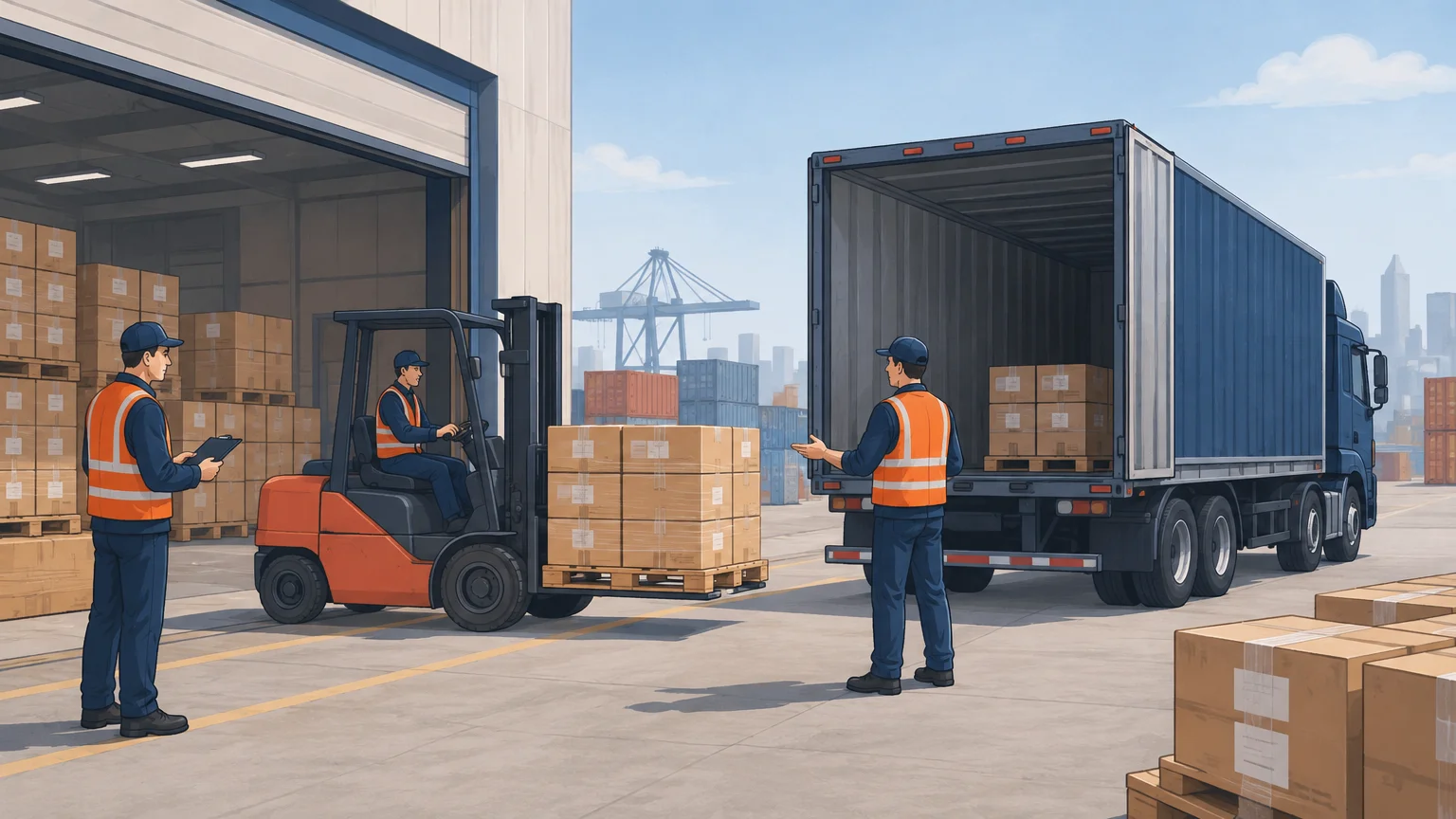
Summary: FCA at origin means the seller delivers export-cleared goods to the buyer’s nominated carrier at an agreed place. Risk and costs transfer at that delivery point, while the buyer generally arranges and pays for onward transport and import clearance. The exact handover depends on whether delivery occurs at the seller’s premises or another named location.
At what exact point does the seller’s responsibility end under FCA? The answer is not simply “when goods leave the factory.” For a clear explanation of the FCA shipping term meaning, focus on the named delivery point in the sales contract. That detail determines when delivery occurs and when risk transfers to the buyer.
FCA stands for Free Carrier, an Incoterms rule used for international sales. It defines important obligations between seller and buyer, but it does not set every detail of a freight-forwarding service or transfer ownership of the goods. For US businesses buying from overseas suppliers, clear handover terms can help prevent confusion about who arranges each shipping stage.
What does FCA at origin mean?
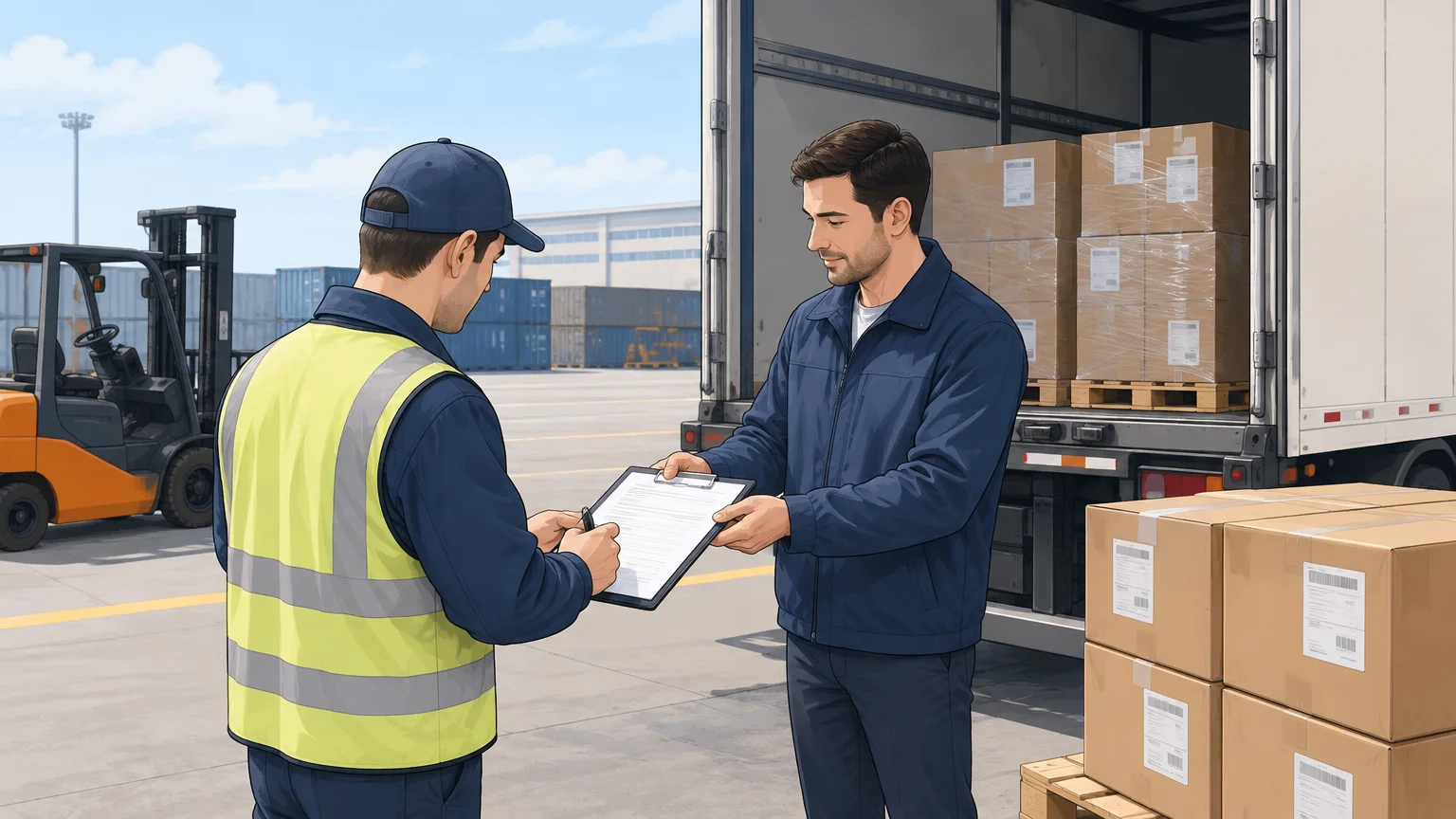
Under FCA at origin, the seller delivers the goods to the carrier or another person nominated by the buyer at the seller’s premises or another agreed place. The seller also handles export clearance. The buyer generally arranges the main carriage and takes responsibility for the goods after delivery.
The phrase “at origin” describes where the agreed handover takes place, not a separate Incoterms rule. As the ICC’s FCA explanation details, delivery occurs in one of two ways. At the seller’s premises, the seller loads the goods onto the buyer’s collecting vehicle. At another named place, the seller brings the goods there and makes them available to the buyer’s carrier, ready for unloading.
For a practical example, imagine a US retailer buying products from a supplier in China. If the contract says “FCA [named warehouse], Incoterms 2020,” the seller’s delivery obligation ends at the agreed handover point at that warehouse, not when the shipment arrives in the United States.
Why does the named delivery point matter?
Consider two contracts that both say “FCA Shenzhen.” One identifies a specific receiving area at a warehouse, while the other leaves the handover point unclear. That difference can affect where delivery occurs, which party is responsible for loading, and when risk moves to the buyer.
Specify the complete place and, where practical, the precise point inside it. This could be the seller’s loading area, a named warehouse receiving bay, or a specific terminal handover location. The FCA shipping point explanation is relevant when you need to distinguish the named place from the exact handover point. The UK government’s Incoterms guidance likewise advises parties to identify the delivery point clearly because risk passes there.
Write the rule with the place and version, such as “FCA [specific address and point], Incoterms 2020.” Avoid using only a city or port name when that leaves several possible handover locations. Incoterms allocate obligations between buyer and seller, but your sales contract should also state any additional arrangements the parties have agreed.
Who pays, and when does risk transfer?
FCA separates delivery and risk at the named handover from the onward transport. The seller pays for and bears risk up to delivery under the agreed FCA rule. Once delivery occurs, the buyer generally bears risk and arranges or pays for transport beyond that point.
The seller is responsible for export clearance. The buyer generally handles import clearance, duties, and taxes, along with arranging the main carriage. Insurance is not automatically required by FCA, so the buyer and seller should agree who will arrange coverage if they want it.
Risk transfer is not the same as transfer of ownership. Incoterms do not determine when title passes; the sales contract and relevant law address that issue. If your purchase contract and freight booking describe different handover points, confirm the intended arrangement with your supplier before cargo is collected.
How does FCA compare with other common Incoterms?
FCA is one of seven Incoterms 2020 rules that can be used for any mode or combination of transport. The US Commercial Service’s Incoterms overview distinguishes those rules from the four rules reserved for sea and inland waterway transport. The table highlights how FCA compares with common alternatives.
| Rule | Seller’s delivery point | Transport and customs after delivery |
|---|---|---|
| EXW | Goods made available at the agreed place, often the seller’s premises | Buyer arranges collection and transport; export clearance is not assigned to the seller under EXW |
| FCA | Goods delivered to the buyer’s nominated carrier at the named place | Buyer generally arranges onward carriage and import clearance; seller handles export clearance |
| FOB | Goods delivered on board the vessel at the named port | Buyer generally arranges carriage after loading and handles import clearance |
| DAP | Goods arrive at the named destination, ready for unloading | Seller arranges carriage to destination; buyer handles import clearance |
| DDP | Goods arrive at the named destination, with import clearance and duties handled by the seller | Seller arranges delivery and import clearance, including applicable duties and taxes |
FCA can suit a buyer who wants to nominate the main carrier while leaving export clearance to the seller. EXW places more origin-side responsibility on the buyer. DAP and DDP keep more of the delivery process with the seller, with DDP also assigning import clearance and applicable duties and taxes to the seller.
FOB is limited to sea and inland waterway transport, with delivery when goods are on board the vessel. For containerized cargo handed to a carrier at a terminal before vessel loading, FCA can describe the earlier handover more directly. Use the rule that fits the actual delivery arrangement, and define its named place precisely.
What should you check before agreeing to FCA?
Before approving the purchase contract, confirm the named place and exact handover point. Then clarify which party books the carrier, who pays for transport to that point, and who handles export clearance. At the seller’s premises, confirm that loading onto the buyer’s collecting vehicle is included in the agreed delivery arrangement.
- Pin down the place: Record the full address and specific receiving or loading point.
- Confirm loading: State whether delivery is at the seller’s premises or another named place.
- Allocate transport: Confirm who arranges and pays for collection, main carriage, and onward delivery.
- Check customs and insurance: Assign export clearance, import clearance, duties, taxes, and any desired cargo insurance.
When sourcing products from China for an Amazon warehouse, FCA may leave the US buyer coordinating several separate stages after origin handover. If you want a coordinated route from supplier pickup through customs and final delivery, our FCA meaning in shipping discussion provides related context for planning that shipment.
For sellers who need help comparing what happens after collection, our freight-forwarding process coordinates supplier pickup, international freight, customs handling, and delivery to Amazon warehouses. The right scope depends on your shipment details and the delivery terms agreed with your supplier.
Make the FCA handover explicit
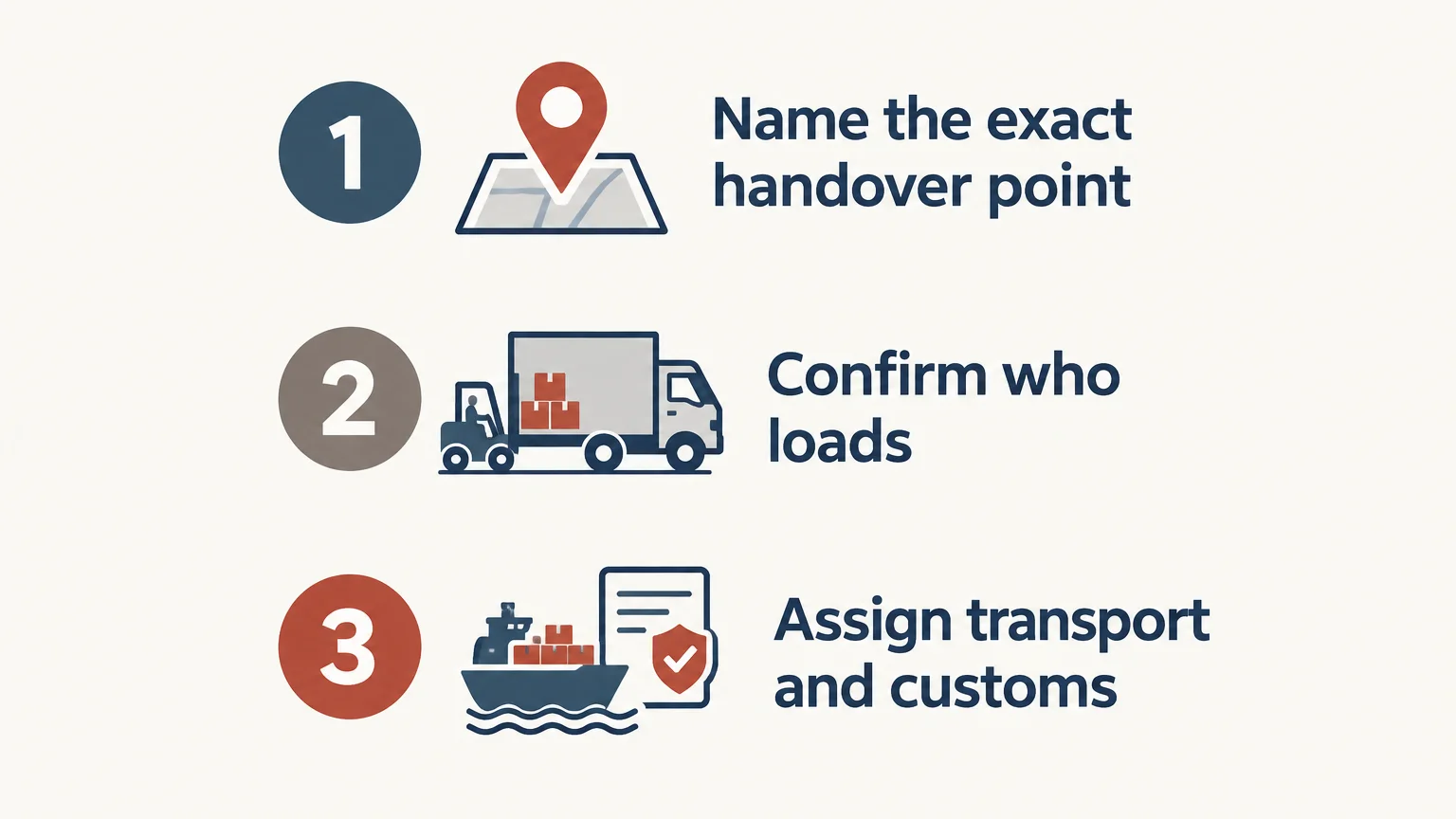
FCA at origin means the seller delivers export-cleared goods to the buyer’s nominated carrier at the named place. That point determines when risk and related costs pass to the buyer. Specify the exact handover location, confirm who loads the goods, and agree responsibility for onward freight, import clearance, and insurance before signing the sales contract.
Plan your shipment beyond origin
Once FCA delivery is complete, you generally coordinate onward freight, import handling, and final delivery. If you are shipping products from China to an Amazon warehouse, compare the transport and customs responsibilities in your supplier agreement with the service you need for the remaining journey.
Our team began as Amazon sellers and has shipped from China for more than five years. Share your shipment information to receive three route options with estimated timelines within 24 hours. Routes include DDP customs handling and door-to-door delivery, while quotes reflect shipment weight, volume, transport mode, destination, and handling requirements. Explore our freight forwarding services to discuss your shipment.
Frequently Asked Questions
What does FCA stand for?
FCA stands for Free Carrier, an Incoterms rule that defines the seller’s delivery obligation and the buyer’s responsibilities after handover. The named place identifies where delivery and risk transfer occur.
Does FCA mean the seller pays freight to the destination?
No. Under FCA, the seller delivers the goods to the buyer’s nominated carrier at the agreed place. The buyer generally arranges and pays for onward carriage.
Who handles export and import customs under FCA?
The seller handles export clearance under FCA. The buyer generally handles import clearance, duties, and taxes at destination.
Is FCA suitable for container shipments?
FCA can be used for containerized shipments and for any mode or combination of transport. It can reflect handover to a carrier at a named point before a container is loaded onto a vessel.
Can QG Horizon coordinate shipping after an FCA handover?
Yes. Our freight-forwarding service coordinates international transport, customs handling, and delivery to Amazon warehouses for shipments from China. Provide your shipment details to compare available route options.
Ready to Optimize Your Amazon Shipping?
Get 3 route options tailored to your products and timeline
Get Your Quote→