FOB in Shipping: Meaning, Responsibilities, and Risk Transfer
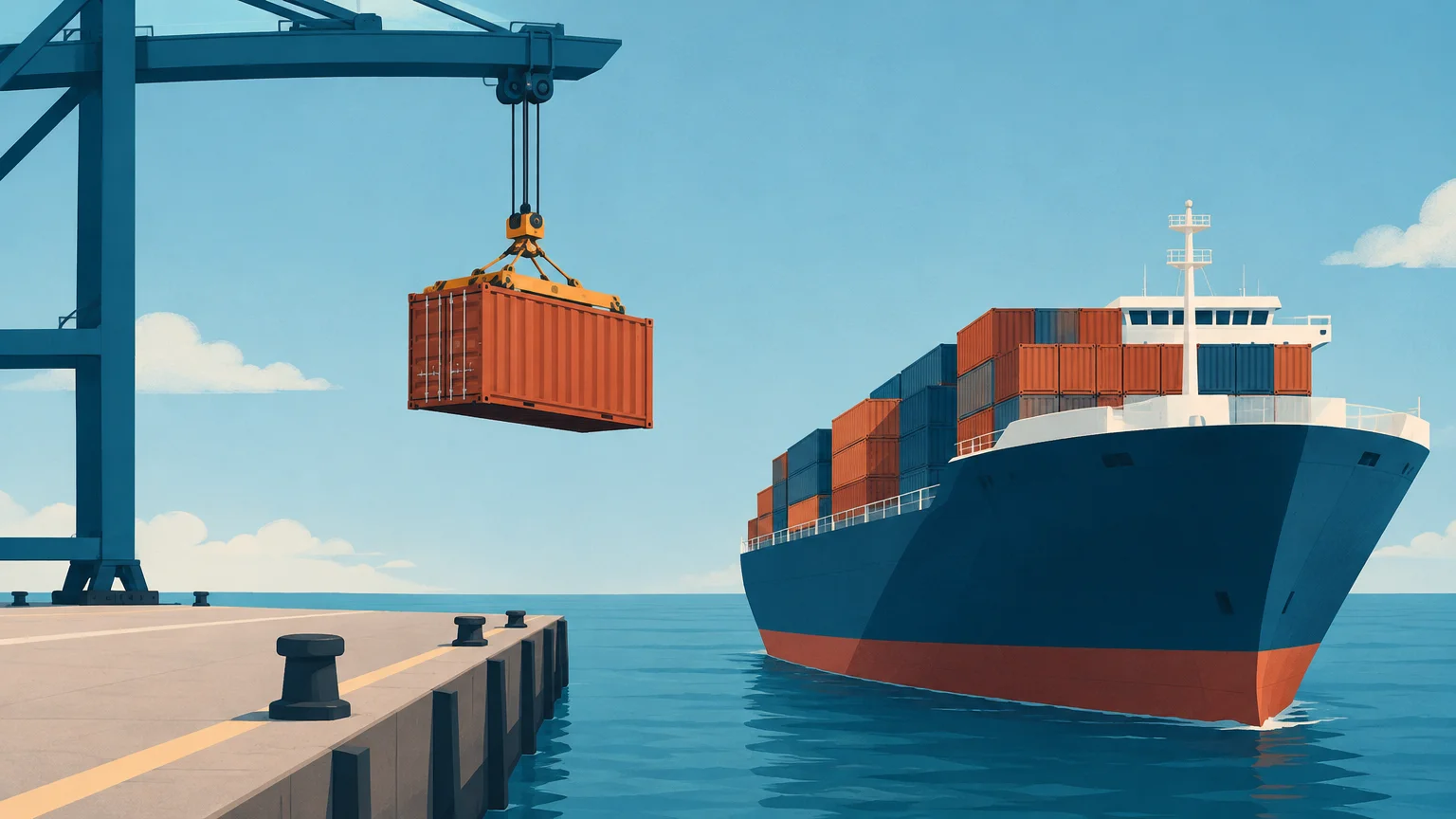
Summary: In international shipping, FOB means Free On Board. The seller delivers goods aboard a vessel at the named port, then risk passes to the buyer, who arranges onward carriage and import responsibilities. Knowing this handoff helps you compare FOB with CIF or DDP and distinguish a supplier’s sale term from a separate freight-forwarding service.
When a supplier quotes FOB, the key question is not only who pays freight, but exactly when shipping risk shifts to you. The meaning of FOB in shipping is Free On Board: your seller delivers the goods onto a vessel at the named port, and risk then passes to you. For the abbreviation, see our FOB acronym in shipping explainer.
FOB is an Incoterms rule for sea and inland waterway transport, not a general promise of delivery to your warehouse. It does not, by itself, decide when ownership passes or how payment is made. For US Amazon sellers, the supplier’s FOB price is only one part of landed cost. You still need a plan for international carriage, import clearance, duties, insurance, and delivery to the fulfillment center. Identifying this handoff helps you compare the supplier’s price with the full logistics cost.
What does FOB mean in shipping?
In an international sales contract, FOB means “Free On Board.” Under Incoterms 2020, the seller delivers the goods aboard a vessel nominated by the buyer at the named port of shipment. The ICC’s Incoterms guidance explains that these rules allocate obligations, risks, and costs, but do not replace the sales contract.
FOB applies to sea and inland waterway transport. It is not a general-purpose term for air freight, truck shipments, or courier parcels. For containerized cargo handed to a terminal before vessel loading, confirm the exact delivery point and ask whether another rule, such as FCA, better reflects the handoff. FOB also does not automatically set legal title or payment timing, so specify those separately.
Who handles the costs and risks?
Picture a shipment leaving a supplier’s factory for a named Chinese port. The seller’s FOB responsibilities cover delivery to the vessel and export clearance; the buyer’s responsibilities begin with the agreed transfer point aboard the ship.
| FOB responsibility | Seller | Buyer |
|---|---|---|
| Before loading | Delivers goods to the named port, completes export clearance, and arranges delivery aboard the vessel. | Nominates the vessel and provides shipment instructions. |
| Risk of loss or damage | Bears the risk until the goods are loaded aboard. | Assumes the risk once the goods are aboard. |
| After loading | Completes the seller’s delivery obligations under the agreed term. | Arranges onward carriage and insurance if desired. |
| Destination | Does not handle the buyer’s import clearance under FOB. | Arranges import clearance, duties and taxes, and delivery beyond the destination port. |
The WTO trade guide describes FOB delivery as taking place aboard the agreed vessel, with carriage and import formalities passing to the buyer. Keep the risk transfer point separate from ownership: the sales contract determines title and payment arrangements.
FOB sets a sale handoff, not a freight service
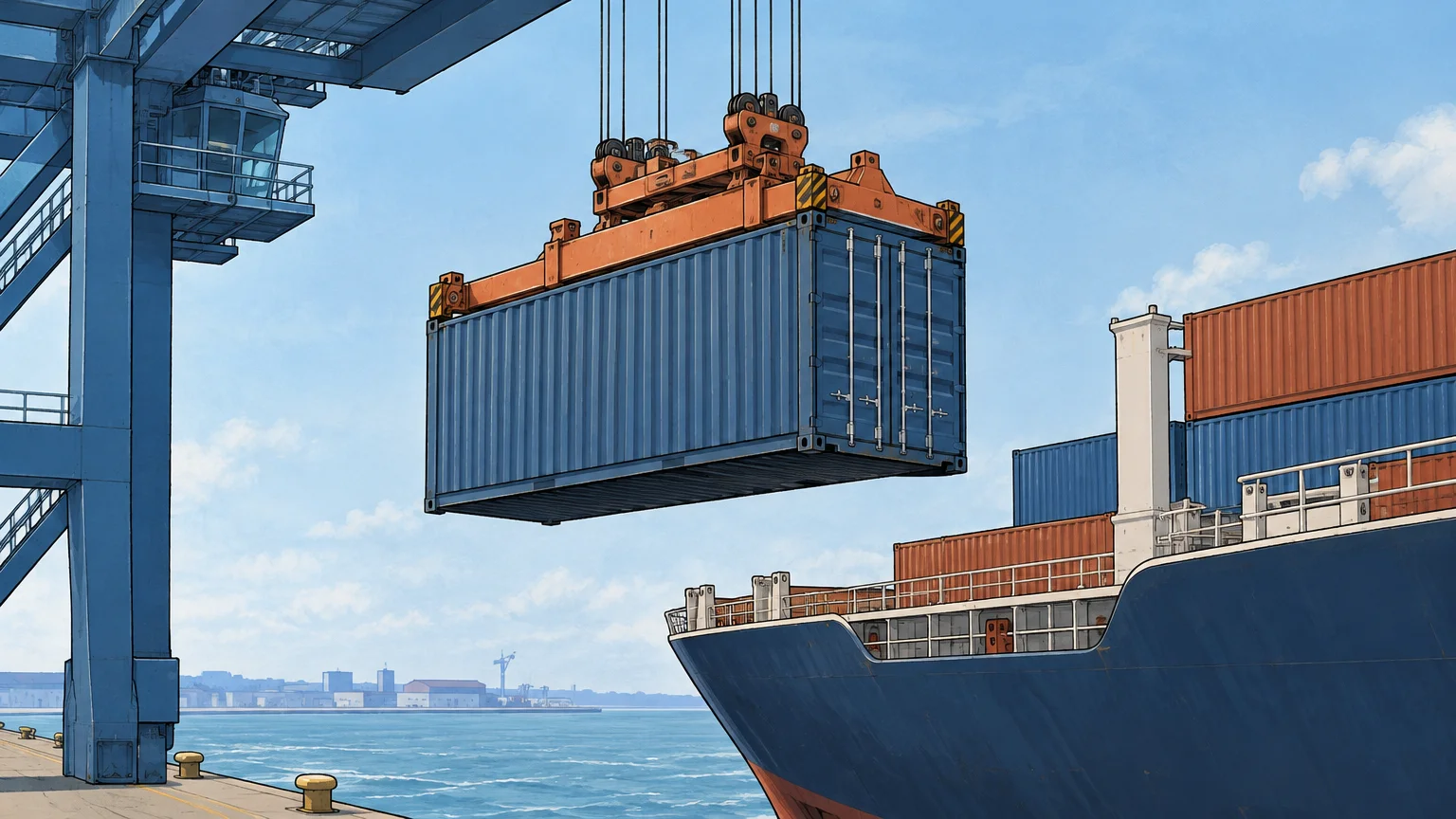
Why separate the purchase term from the freight booking? FOB divides the seller’s and buyer’s obligations in the goods sale, while a forwarder can separately coordinate transport and customs services. The UNECE Incoterms recommendation describes these terms as a way to clarify tasks, costs, and risks between trading parties.
An FOB purchase does not, by itself, tell you which logistics provider will book the ocean leg, handle destination clearance, or deliver to a warehouse. Confirm who books each stage, who pays each charge, and who is named as importer of record. For more context, see our FOB meaning in logistics explanation.
For a China-to-Amazon shipment, our DDP freight-forwarding arrangement can coordinate supplier pickup, international freight, destination customs clearance, duties and taxes, and door-to-door delivery. That is a separate logistics scope from the FOB term in your supplier’s sales contract.
How does FOB compare with CIF and DDP?
If a supplier offers to arrange ocean freight, check whether the quote is FOB or CIF. Under CIF, the seller pays freight and arranges insurance to the named destination port, but risk still transfers aboard the vessel at the origin. DDP extends the seller’s responsibilities further, including import clearance and applicable duties and taxes at the named destination.
| Term | Seller’s main scope | Buyer’s main scope |
|---|---|---|
| FOB | Delivery aboard the vessel and export clearance at the named port. | Onward freight, optional insurance, import clearance, duties, and onward delivery. |
| CIF | FOB delivery, plus contracted freight and insurance to the named destination port. | Import clearance, duties, and delivery beyond the port. Risk transfers when the goods are aboard at origin. |
| DDP | Delivery to the named destination, including export and import clearance and applicable duties and taxes. | Receives the goods at the destination; unloading depends on the agreed delivery arrangement. |
Do not compare only the supplier’s quoted goods price. Compare the full landed cost, including freight, insurance, customs handling, taxes, and delivery to your receiving point. Under FOB, confirm which charges are included at the origin port and which remain yours.
How should US Amazon sellers apply FOB?
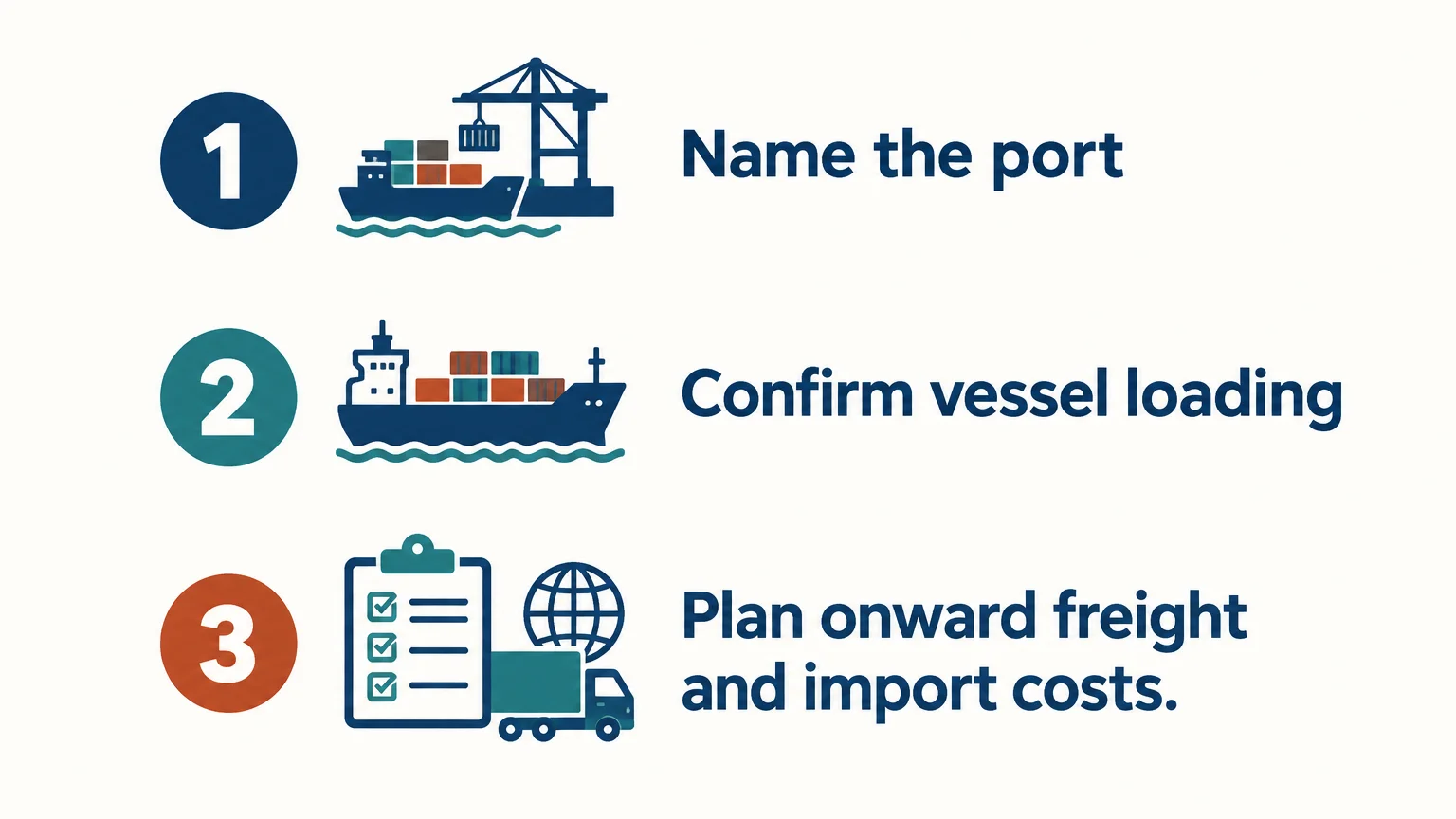
Start with a simple check: does your purchase order name the exact port and state that FOB is governed by Incoterms 2020? Then confirm who nominates the vessel, who handles loading, and when you receive shipment documents. These details help you understand the FOB shipping responsibilities before the cargo leaves the origin port.
For Amazon FBA inventory moving from China, the buyer also needs a plan for freight, destination customs, duties, and final delivery to the warehouse. Our Shenzhen-operated forwarding team grew from an Amazon private-label business and has shipped from China for more than five years. We coordinate supplier pickup, Chinese export declarations, international transport, destination clearance, and Amazon warehouse delivery through DDP routes.
Our route options include air, fast boat, ocean, and rail, with route suitability and delivery timing depending on the shipment and destination. The standard Chinese export declaration is included. An additional fee applies if the declaration is made under the supplier’s name for a Chinese export tax refund. When comparing quotes, ask for the route, estimated timing, customs scope, and any declaration requirements in writing.
Conclusion: Define the handoff precisely
FOB means the seller delivers goods aboard a vessel at the named port, and risk then passes to the buyer. Before agreeing, identify the port, confirm who arranges onward freight and import clearance, and compare the complete landed cost. Treat FOB shipping terms as part of the sale contract, not as a full delivery plan.
Plan Your China-to-Amazon FBA Shipment
Once you have confirmed the supplier’s FOB point, decide how much of the China-to-FBA journey you want to coordinate yourself. A door-to-door quote can scope freight, customs handling, duties, and Amazon warehouse delivery together, rather than stopping at the origin or destination port.
We are an Amazon seller-founded, Shenzhen-operated freight forwarder, with more than five years shipping from China. We coordinate supplier pickup and Chinese export declarations, then arrange air, fast boat, ocean, or rail freight. Our DDP routes include destination customs clearance, duties and taxes, tracking, and door-to-door delivery to Amazon warehouses. Review our shipping and freight services to request a shipment quote. Standard Chinese export declaration is included; a supplier-name declaration for a Chinese export tax refund carries an additional fee. Quotes depend on shipment and route details.
Frequently Asked Questions
What does FOB stand for in shipping?
FOB stands for Free On Board. Under Incoterms 2020, the seller delivers the goods aboard the vessel at the named port, where risk passes to the buyer.
Who pays freight under FOB?
The buyer arranges and pays for the main carriage after the goods are loaded aboard the vessel. The buyer also arranges insurance if needed and handles import clearance and applicable duties.
Does FOB include customs duties?
The seller handles export clearance under FOB, while the buyer handles import clearance and applicable duties and taxes. Confirm any additional port charges and documentation responsibilities in the contract.
Can FOB be used for air or rail shipments?
FOB is a sea and inland waterway rule, not a general term for air or rail freight. Use a trade term suited to the transport mode and the actual point where the seller hands over the goods.
Can a forwarder ship FOB goods to Amazon FBA using DDP?
Yes, a supplier’s FOB sale term and a separate forwarding arrangement can cover different parts of the shipment. Our China-to-Amazon FBA service offers DDP routes that coordinate freight, destination customs, duties and taxes, and delivery to an Amazon warehouse.
Ready to Optimize Your Amazon Shipping?
Get 3 route options tailored to your products and timeline
Get Your Quote→