FOB Acronym in Shipping: Meaning, Risks, and Rules
Summary: FOB in shipping most commonly means “Free On Board,” but its practical effect depends on the exact term and named place. In U.S. domestic transactions, “FOB shipping point” and “FOB destination” typically distinguish where delivery responsibility and transit risk shift. Incoterms® FOB has a specific meaning for sea and inland-waterway transport. Record the location, freight payment, and governing rule in writing.
When a purchase order says FOB, who pays for transport, and who bears the loss if the shipment is damaged? For U.S. sellers sourcing inventory from China, our explanation of what FOB stands for in shipping connects the term to the handoff details that shape an international freight plan. The three letters alone do not answer every question. The named place, freight wording, and contract framework matter.
FOB usually expands to “Free On Board,” but domestic shorthand and Incoterms® use the term differently. A U.S. buyer reading “FOB origin” should not assume the clause follows the same loading-on-vessel rule used in international ocean sales. Treat the written location and rule version as essential details, not optional clarification.
What does FOB mean in shipping?
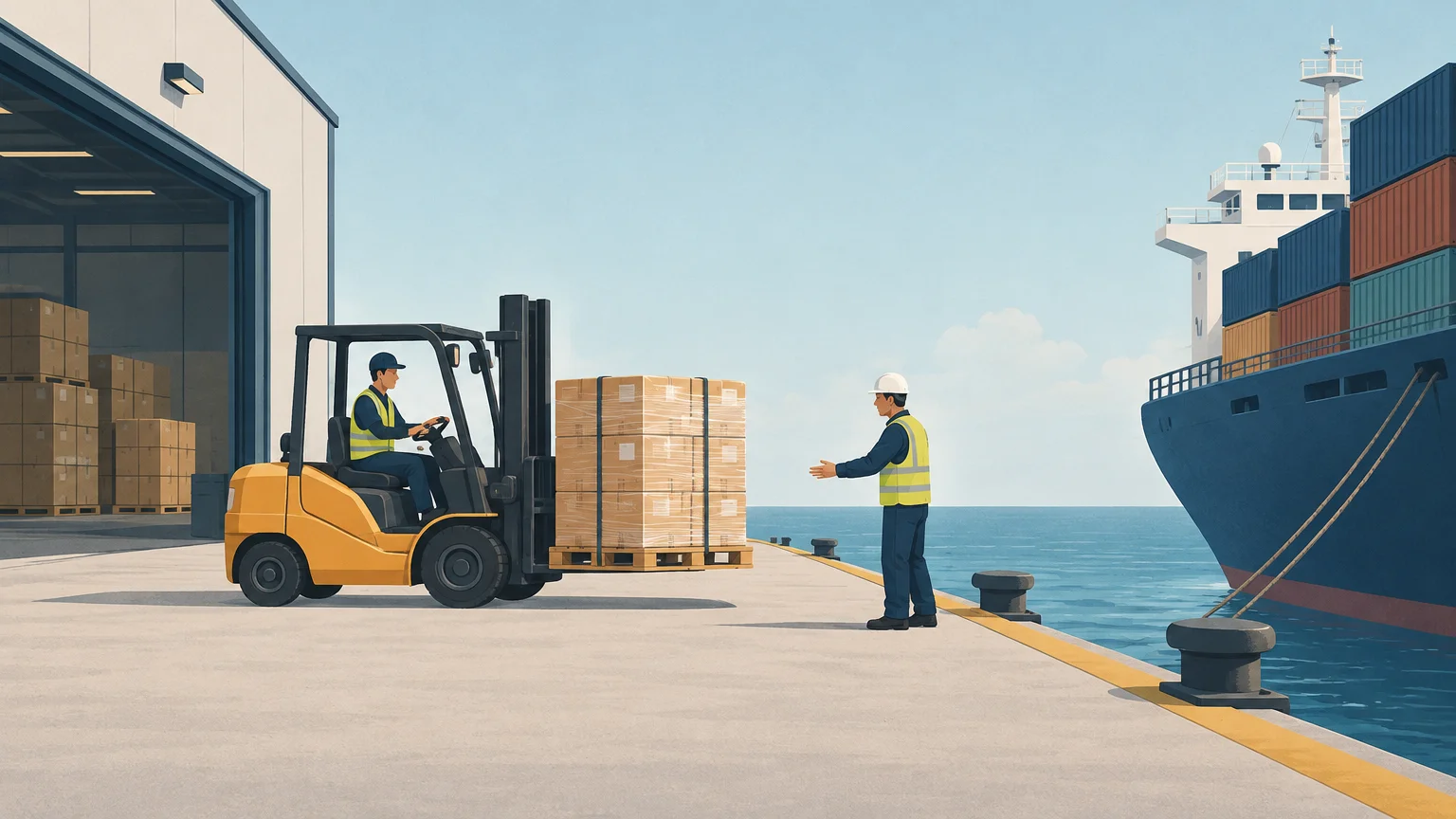
FOB stands for Free On Board. In the United Nations’ FOB definition, the seller completes delivery when goods are aboard the vessel at the named shipment port. From that point, the buyer bears the costs and risks of loss or damage. This specific definition applies to sea and inland-waterway transport.
In U.S. domestic purchase orders, FOB is also commonly paired with “origin” or “shipping point,” or with “destination.” Those phrases describe a handoff point, but they should not be treated as interchangeable with the Incoterms® rule. Read the full clause, including its location and any freight-payment wording.
How do FOB shipping point and FOB destination differ?
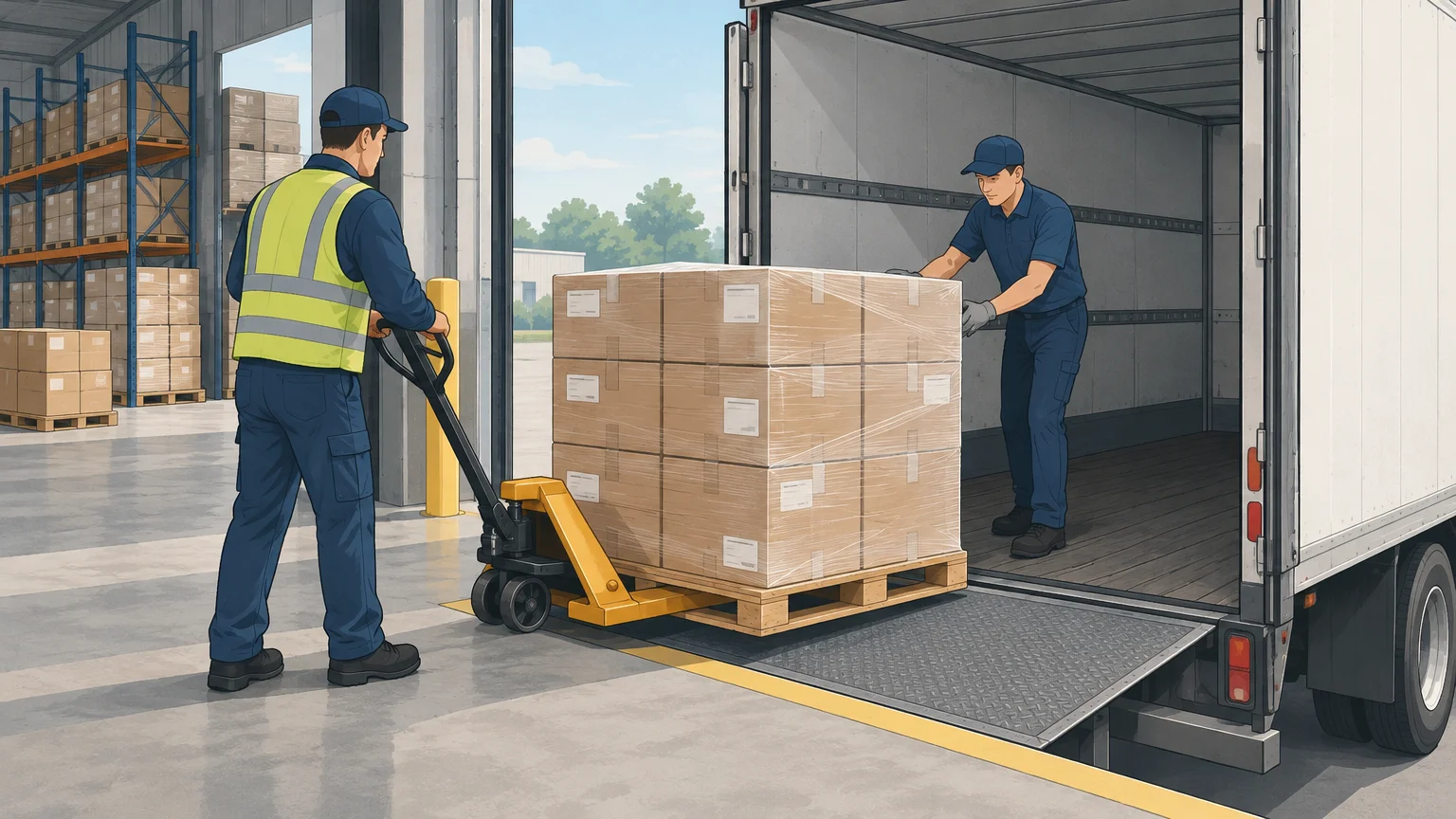
In common U.S. usage, “FOB shipping point” or “FOB origin” generally places transit risk with the buyer after the goods leave the named origin. “FOB destination” generally keeps that risk with the seller until the goods reach the named destination. These terms do not, by themselves, establish who pays freight in every contract. Wording such as “freight prepaid” or “freight collect” can separately identify the payer.
For example, “FOB seller’s warehouse, freight prepaid” identifies an origin point and says the seller pays the carrier first. It does not automatically mean the seller retains transit risk until delivery. Check the contract for the risk allocation and payment terms rather than inferring one from the other.
Also, do not assume FOB alone determines when legal ownership or title passes. If title timing matters to your transaction, state it separately in the sales agreement.
Why does the named location matter?
“FOB origin” is less precise than “FOB [named warehouse or terminal],” because the exact place helps identify where the parties’ responsibilities change. The U.S. Federal Acquisition Regulation illustrates the importance of that detail: for federal procurement, its FOB destination rule specifies delivery at the consignee’s stated location and addresses costs before delivery. That example applies to federal contracts; private sales depend on their own agreed terms.
If a clause names only a city, ask whether the point is the supplier’s dock, a carrier terminal, or another location. Those are not necessarily the same handoff. For Amazon FBA sellers shipping from China, our team coordinates supplier pickup and onward freight, so a clearly stated supplier term helps keep the purchase agreement and shipping plan aligned.
How does FOB under Incoterms® differ?
Under Incoterms® 2020, FOB is one of four rules for sea and inland-waterway transport, not a generic rule for every shipping mode. The U.S. International Trade Administration’s Incoterms® overview identifies FOB as “Free On Board” and calls for a named port of loading.
For this rule, the seller delivers when the goods are loaded aboard the vessel nominated by the buyer at the named port. The seller handles export clearance; the buyer arranges the main carriage and takes on the risk once the goods are aboard. Use the full wording, such as “FOB [named port of loading] Incoterms® 2020,” so both parties know which rule and version govern.
Do not apply this vessel-loading definition automatically to an inland truck shipment or a U.S. domestic order marked “FOB destination.” If a contract uses FOB without identifying Incoterms® and a rule version, ask the other party to clarify the intended meaning before shipment.
What should you check before accepting an FOB term?
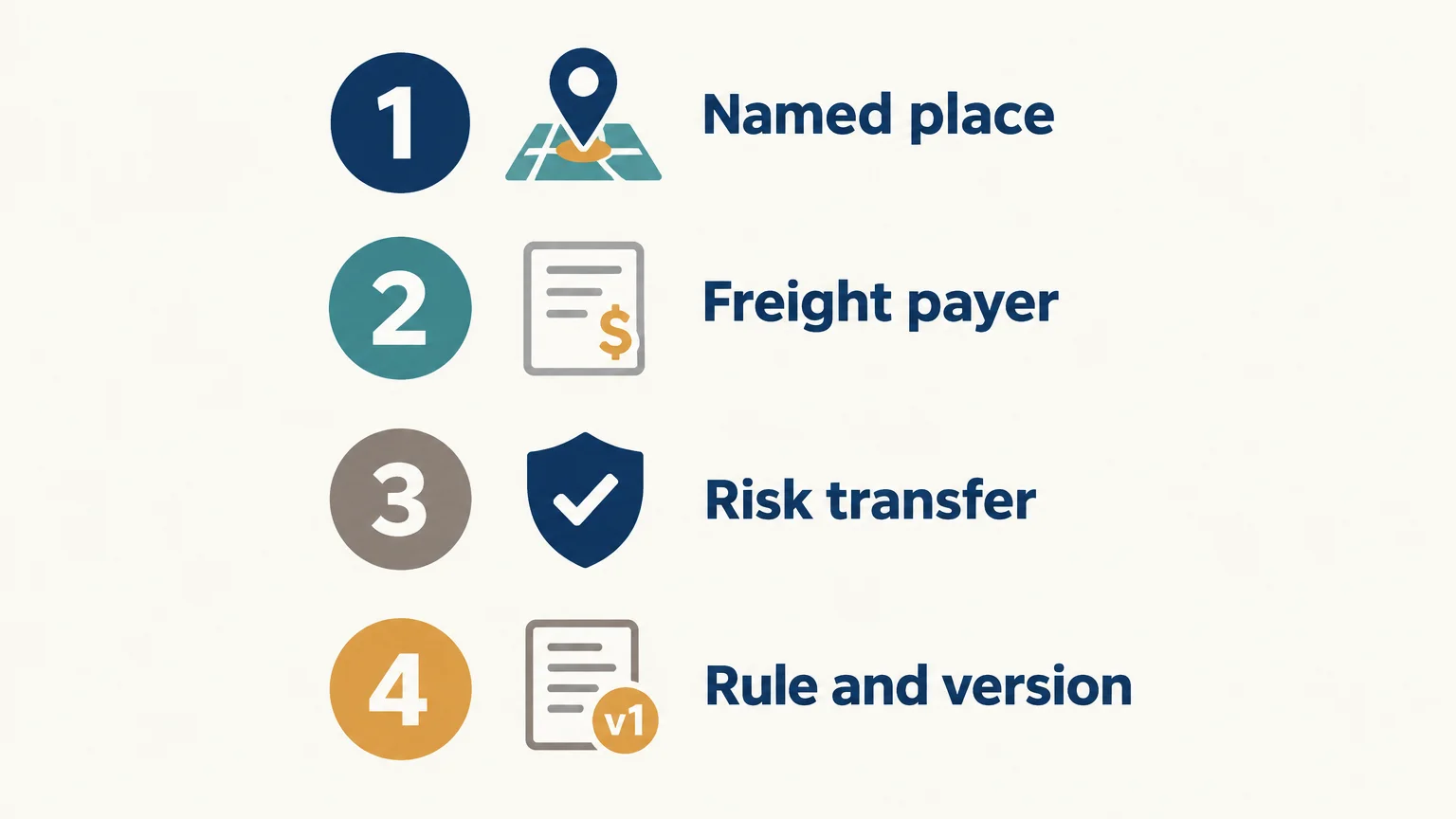
Before you confirm the order, make sure the clause answers four practical questions:
- Named place: Is the handoff location specific, such as a warehouse, terminal, or port?
- Freight payer: Who books and pays for the transport, including any separately agreed charges?
- Risk transfer: At what point does the seller’s responsibility for transit loss or damage end?
- Rule and version: Is this domestic FOB wording, or does the contract expressly incorporate Incoterms® and identify its version?
For another quick reference, see our explanation of FOB meaning in shipping. If you import from China for Amazon FBA, keep your supplier’s FOB agreement distinct from your forwarder’s shipping quote. Our service coordinates supplier pickup, international freight, customs, duties and taxes under DDP, and delivery to Amazon warehouses. Confirm that the quote’s starting point and included services match the handoff written in your purchase contract.
Conclusion
FOB shipping terms do not have one universal meaning across domestic transactions and Incoterms®. Confirm the named place, freight payer, risk-transfer point, and governing rule before goods move. Clear wording reduces confusion when arranging transport or responding to a loss or delay.
Plan Your China-to-Amazon Shipment
Once the supplier’s FOB handoff is clear, you can compare the transport and import arrangements needed to move inventory to its destination. Keeping those steps aligned makes it easier to assess timing, customs handling, and shipment costs.
We coordinate supplier pickup, air, fast-boat, ocean, or rail freight, destination customs clearance, duties and taxes under DDP, and delivery to Amazon warehouses. Share your shipment details to receive three route options with estimated timelines and pricing within 24 hours. Request Amazon FBA freight-forwarding options for your shipment.
Frequently Asked Questions
What does FOB stand for in shipping?
FOB most commonly stands for “Free On Board.” Its exact responsibilities depend on the contract wording and whether the term is being used domestically or under Incoterms®.
Who pays freight under FOB shipping point?
The buyer commonly bears transit risk after goods leave the named origin, but freight payment depends on the contract’s wording. Check for terms such as “freight prepaid” or “freight collect.”
Who is responsible under FOB destination?
In common U.S. usage, the seller generally retains transit risk until goods reach the named destination. Confirm the precise location and payment terms in the agreement.
Does Incoterms® FOB apply to air freight?
No. Incoterms® 2020 FOB is for sea and inland-waterway transport. For air freight or other modes, the parties should choose and name an appropriate term for that shipment.
Can QG Horizon handle shipping after a supplier quotes FOB?
Yes. Our Amazon FBA freight-forwarding service coordinates international transport, destination customs clearance, duties and taxes under DDP, and delivery to Amazon warehouses. Confirm the supplier’s named handoff point so the shipping plan starts at the correct place.
Ready to Optimize Your Amazon Shipping?
Get 3 route options tailored to your products and timeline
Get Your Quote→