What FOB Means in Business: Costs, Risk, and Contracts
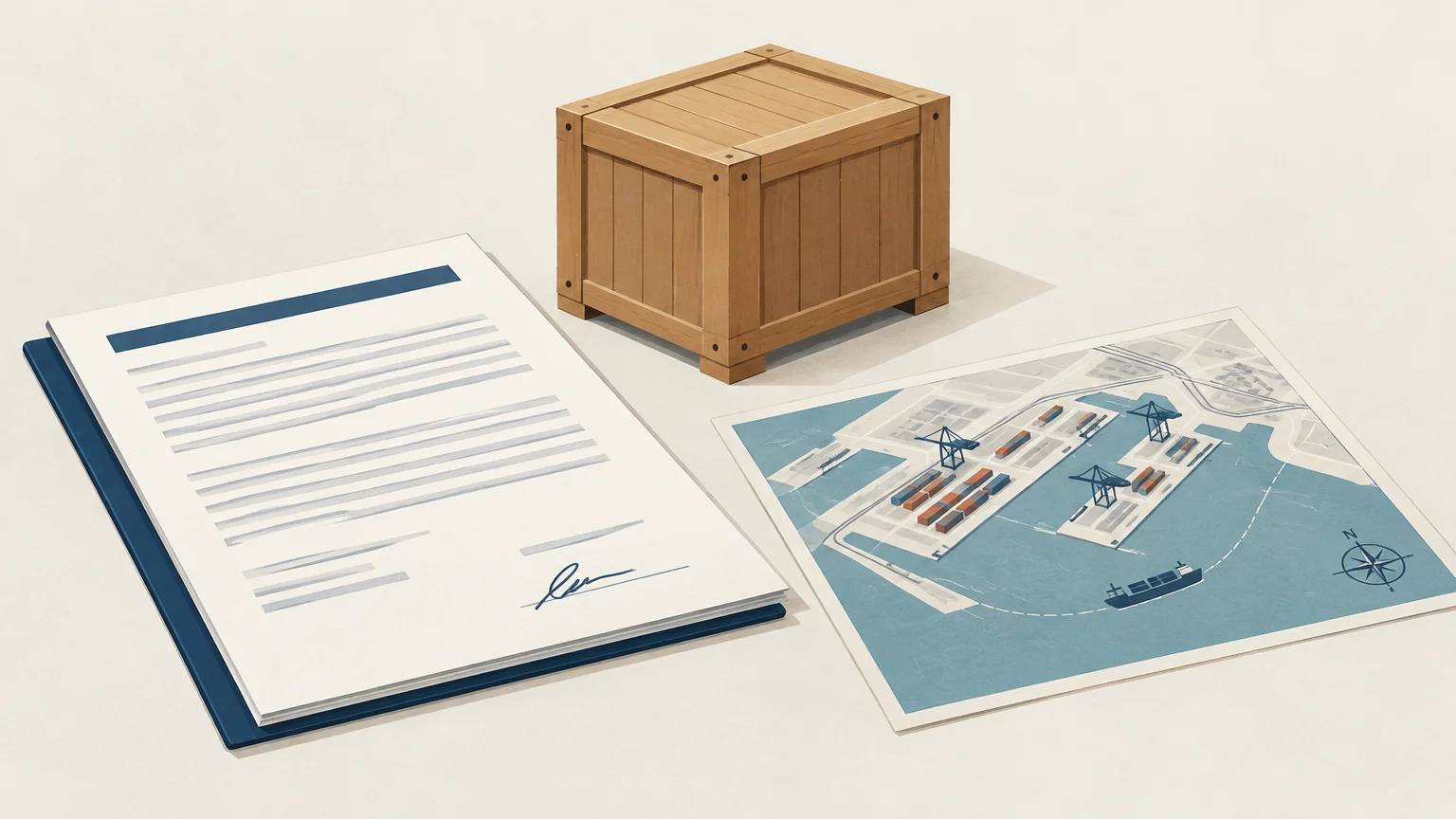
Summary: FOB means “Free On Board,” but its effect depends on whether your contract uses common U.S. shipping terms or Incoterms 2020. Domestic FOB Origin and FOB Destination describe different delivery arrangements, while Incoterms FOB applies to sea and inland waterway transport. Specify the delivery point, freight payer, risk transfer, and applicable rule version in writing.
A three-letter shipping term can determine who manages freight and who carries risk when goods are in transit. In U.S. purchasing, FOB Origin and FOB Destination often describe domestic delivery arrangements; in international sales, FOB under Incoterms 2020 has a specific port-based meaning. If you are comparing a supplier’s quote with a full shipping plan, start with our FOB Incoterm meaning explanation.
The difference matters when a quote says “FOB” without naming a place or rule version. The U.S. Department of Commerce’s Incoterms guidance identifies FOB as a sea or inland waterway rule and says the named port of loading should be specified. That is not the same as assuming a domestic “FOB Destination” clause covers an international journey.
Why does FOB have more than one business meaning?
In business, FOB commonly expands to “Free On Board.” The words alone, however, do not establish one universal delivery arrangement. In domestic U.S. purchase orders, “FOB Origin” or “FOB Shipping Point” commonly places delivery responsibility at the shipping point, while “FOB Destination” commonly extends the seller’s delivery responsibility to the named destination.
International contracts using Incoterms 2020 apply a different definition. Under that rule, delivery and risk transfer occur when the seller places the goods on board the buyer-nominated vessel at the named port of shipment. The buyer normally arranges the main carriage after that point.
Do not assume the term alone settles every question. State freight payment separately, and address ownership, payment timing, insurance, and any special handling in the contract. Incoterms rules allocate delivery obligations, costs, and risk, but do not by themselves determine when legal title passes.
How do FOB Origin, FOB Destination, and Incoterms FOB differ?
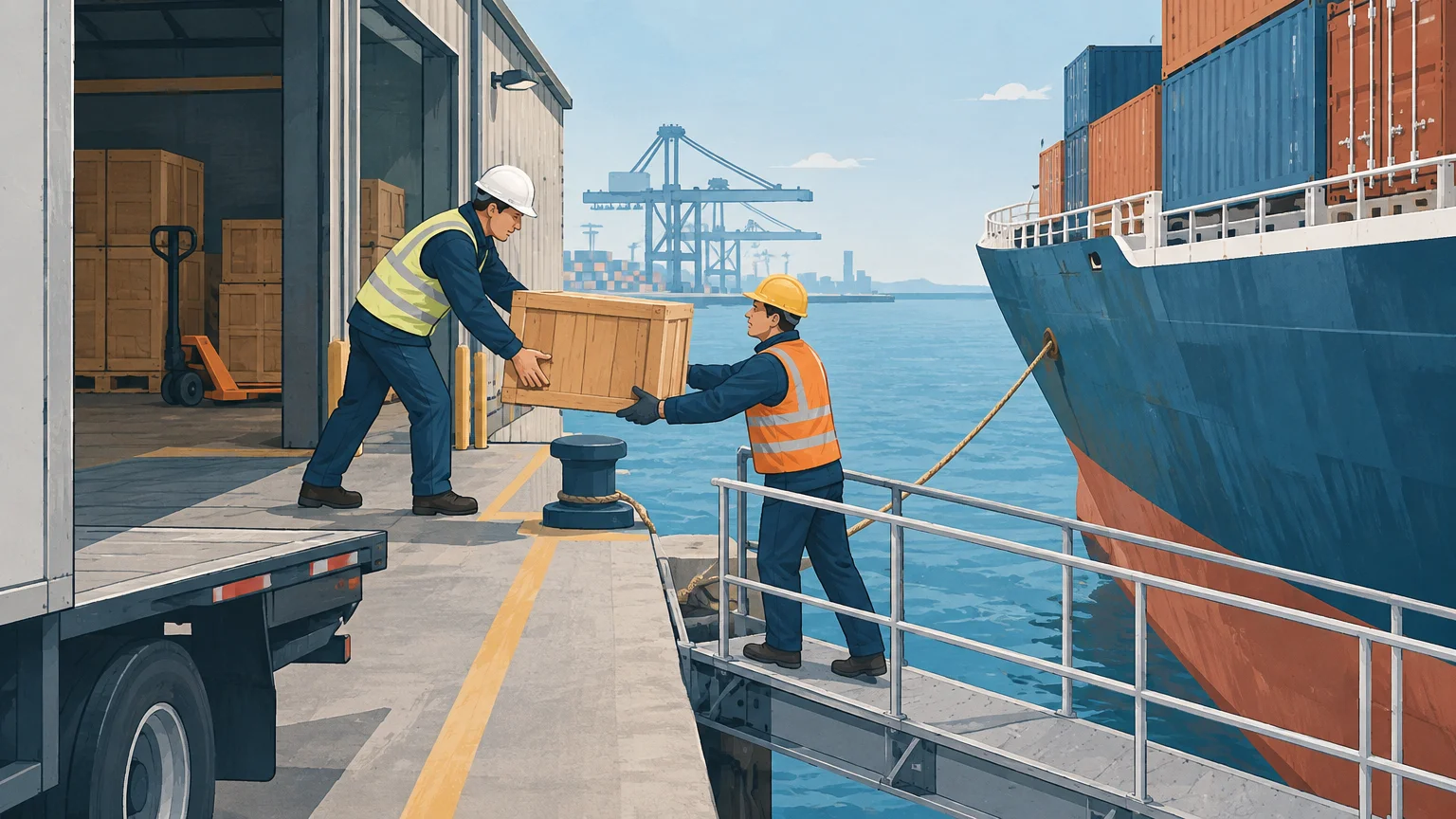
The wording points to different delivery arrangements. Use the table as a quick comparison, then check the contract for the exact place, freight payer, and transfer point.
| Term | Delivery point | Typical freight arrangement | Risk reference |
|---|---|---|---|
| FOB Origin or Shipping Point, domestic usage | Named shipping point | Buyer commonly pays onward freight; specify payment terms | Commonly shifts at the agreed origin point |
| FOB Destination, domestic usage | Named destination | Seller commonly pays freight to destination | Commonly remains with seller until the agreed destination |
| FOB, Incoterms 2020 | Goods placed on board at the named shipment port | Seller pays through loading; buyer arranges main carriage | Shifts when goods are on board the vessel |
Domestic freight payment and risk details can depend on the contract and applicable law. Incoterms FOB is not a substitute for “FOB Destination,” and “FOB” without a named port and rule version can leave the parties with different expectations.
If you need to distinguish the domestic shipping-point phrase from the international rule, see our FOB origin meaning explanation.
What does Incoterms FOB make the buyer responsible for?
Under Incoterms 2020 FOB, the seller delivers by loading the goods onto the vessel nominated by the buyer at the agreed port. The seller handles export clearance and the costs of getting the goods to that port and loading them. The buyer arranges and pays for the main carriage from the port, and handles import clearance and related charges.
The named port matters because it identifies where the seller’s delivery obligation ends and the buyer’s risk begins. For example, “FOB Port of Los Angeles, Incoterms 2020” is more precise than “FOB USA.” The parties can also identify a specific point within the port where appropriate.
FOB under Incoterms 2020 is limited to sea and inland waterway transport. The rule does not require either party to buy cargo insurance, so decide separately whether coverage is appropriate. For a plain-language explanation of the shipping distinction, read what FOB means in shipping.
Why do containerized shipments often fit FCA better?
With containerized freight, a seller often hands the goods to a carrier at a warehouse, container yard, or terminal before a vessel loads the container. That handoff can occur before the seller has delivered the goods on board, the delivery point required by Incoterms FOB.
FCA, or Free Carrier, can be a better fit when delivery occurs at the seller’s premises or another named place before vessel loading. Specify the exact delivery point and who handles loading or handover. The 2023 ICC Ibero-American report found that at least 45% of surveyed participants did not follow the recommendation against using FOB, FAS, CFR, or CIF for container shipments. That survey reflects Ibero-American practice, not U.S. business behavior.
Choosing a rule that matches the actual handoff can reduce confusion about where delivery occurs and when risk transfers. The term should describe what the parties will do, not just the price format a supplier commonly uses.
What should your FOB contract spell out?
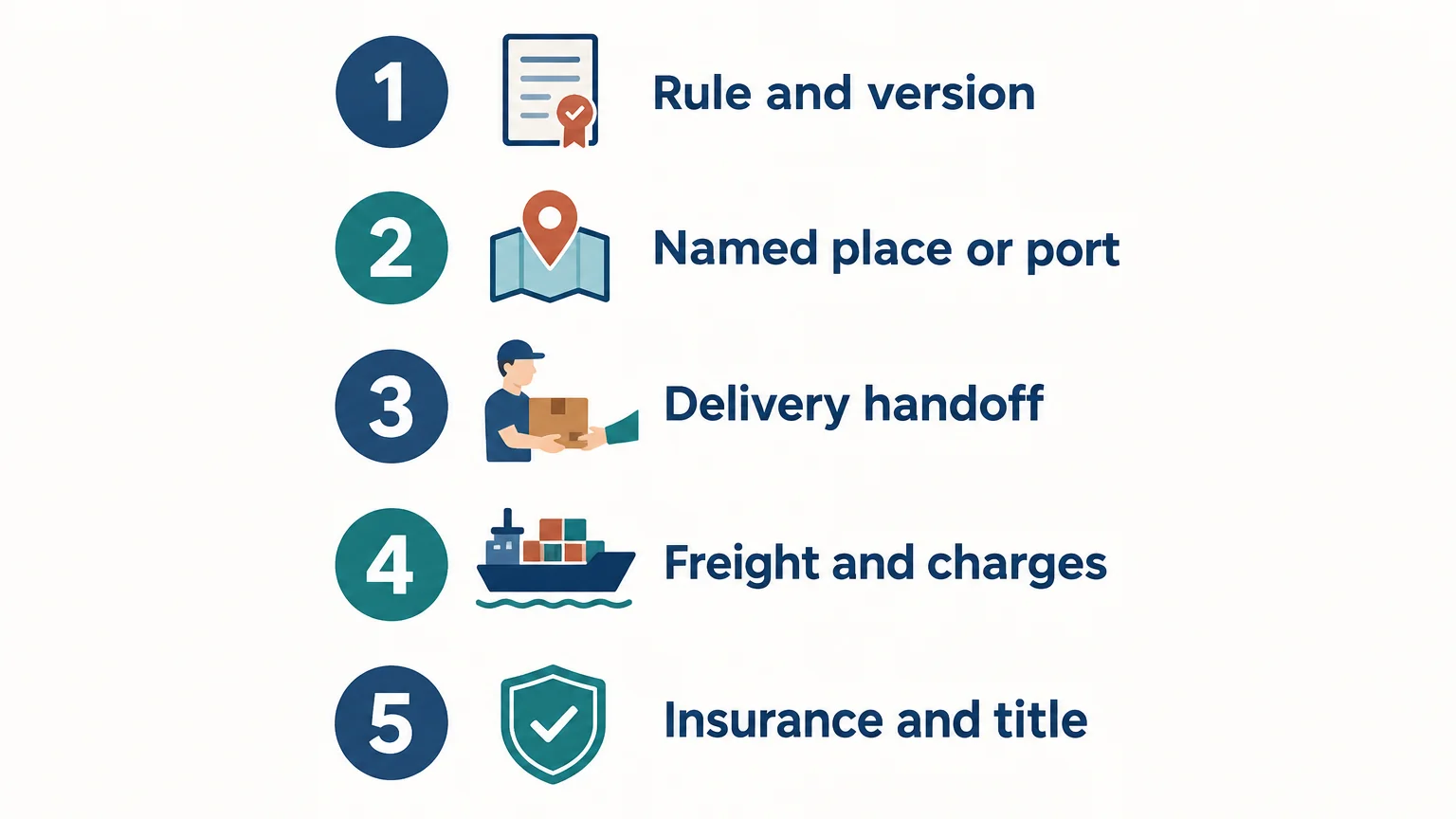
A useful contract clause makes the delivery arrangement concrete. Before you approve a purchase order or supplier invoice, confirm these details in writing:
- Rule and version: State whether the term uses domestic U.S. usage or Incoterms 2020.
- Named place: Identify the origin point for domestic terms or the port of shipment for Incoterms FOB.
- Delivery point: State the physical handoff, especially when cargo is containerized.
- Freight payment: Identify who pays each freight segment and any handling charges.
- Other obligations: Address insurance, import charges, ownership, and payment timing separately.
Also compare the FOB price with the cost of getting inventory to its final destination. The OECD’s 2026 ITIC dataset covers CIF and FOB margins through 2024 for more than 200 reporters, combining official statistics and estimates. These trade-wide figures describe transport and insurance costs; they are not a quote for your shipment or a complete landed-cost calculation.
For U.S. businesses sourcing from China, an FOB port quote usually leaves onward freight and destination arrangements to the buyer under Incoterms FOB. Compare the supplier’s exact scope with freight, customs, duties, and delivery costs before accepting the quoted price. Our FOB terms with your supplier article covers questions to raise during that discussion.
Use FOB only when the handoff is clear
FOB in business transactions can refer to domestic shipping-point or destination language, or to the specific Incoterms 2020 sea and inland waterway rule. Before agreeing, name the place, identify the applicable rule, and confirm freight payment, risk transfer, and responsibilities not covered by the term.
Plan Your China to Amazon Shipment
If your FOB quote begins at a Chinese port, you still need to plan and price onward freight, import handling, duties, and delivery to Amazon. We began as Amazon sellers shipping from Asia, and our team has shipped from China for more than five years.
To compare routes from China to an Amazon warehouse, our freight forwarding services coordinate supplier pickup, international freight, Chinese export declaration, destination customs clearance, duties and taxes under DDP, door-to-door delivery, and tracking. After receiving shipment details, we provide three route options with estimated timelines and pricing within 24 hours. Standard Chinese export declaration is included; an additional fee applies when the declaration is made under the supplier’s name for a Chinese export tax refund.
Frequently Asked Questions
Does FOB mean the seller pays for shipping?
Not by itself. Under Incoterms 2020 FOB, the seller covers delivery to the named port and loading, while the buyer normally arranges and pays for the main carriage.
Is Incoterms FOB valid for air freight?
No, Incoterms FOB applies to sea and inland waterway transport. For air, containerized, or multimodal shipments, consider an applicable rule such as FCA and name the delivery place.
When does risk pass under Incoterms FOB?
Risk passes when the seller places the goods on board the buyer-nominated vessel at the named port of shipment. The contract should identify that port and the applicable Incoterms version.
Is FOB Origin the same as Incoterms FOB?
No, FOB Origin or Shipping Point is common domestic U.S. terminology, while Incoterms FOB has a defined on-board delivery point for sea or inland waterway transport. Do not treat the phrases as interchangeable.
Can you arrange shipping after I receive an FOB quote?
Yes, we coordinate China-to-Amazon supplier pickup, international freight, DDP customs and duties, door-to-door delivery, and tracking. Compare our route quote with the supplier’s FOB scope, since the arrangements are not the same trade term.
Ready to Optimize Your Amazon Shipping?
Get 3 route options tailored to your products and timeline
Get Your Quote→