DAP Trade Terms Explained: Costs, Risks, and DDP Rules
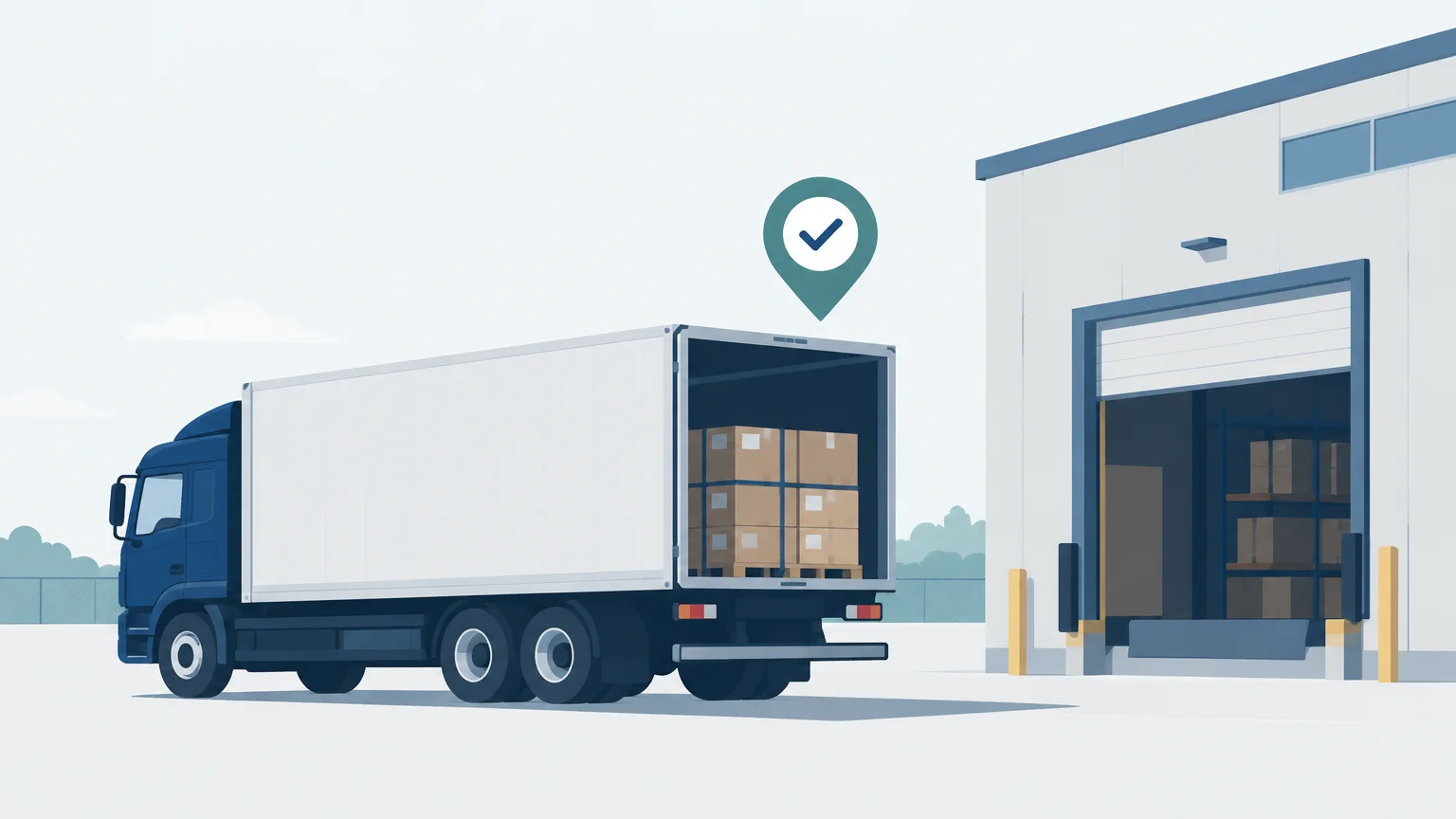
Summary: DAP (Delivered at Place) means the seller arranges and pays to bring goods to a precisely named destination, ready for unloading. The buyer is responsible for unloading and import clearance, including applicable duties and taxes. Risk transfers when the goods are available at the agreed destination, so the contract should state the exact delivery point and applicable Incoterms® edition.
A shipment can reach your warehouse and still leave you responsible for a customs bill and unloading. That is the practical distinction behind DAP trade terms: the seller arranges delivery to the agreed point, while the buyer handles import clearance. For a plain-language overview of what the DAP Incoterm means, keep the delivery location separate from customs responsibility.
For US businesses importing goods, that division affects who prepares for customs, pays applicable import charges, and accepts delivery risk. The exact named place matters, too: “your warehouse” may be too vague if the shipment needs to reach a particular entrance, dock, or receiving area.
What does DAP mean in international trade?
DAP stands for Delivered at Place. Under Incoterms® 2020, the seller arranges and pays for carriage to the named destination and bears the risk of loss or damage until the goods are placed at the buyer’s disposal, still on the arriving vehicle and ready for unloading.
For the agreed delivery point, specify more than a city or broad facility name. A named warehouse, terminal, or other precise point helps both parties understand where the seller’s delivery obligation ends. Our explanation of DAP terms in shipping provides additional context on the allocation of responsibilities.
The ICC’s Incoterms® 2020 materials distinguish DAP from DPU: under DAP, the seller does not have to unload the goods; under DPU, the seller does. DAP can apply to different modes of transport, including shipments using more than one mode.
When do cost, responsibility, and risk transfer?
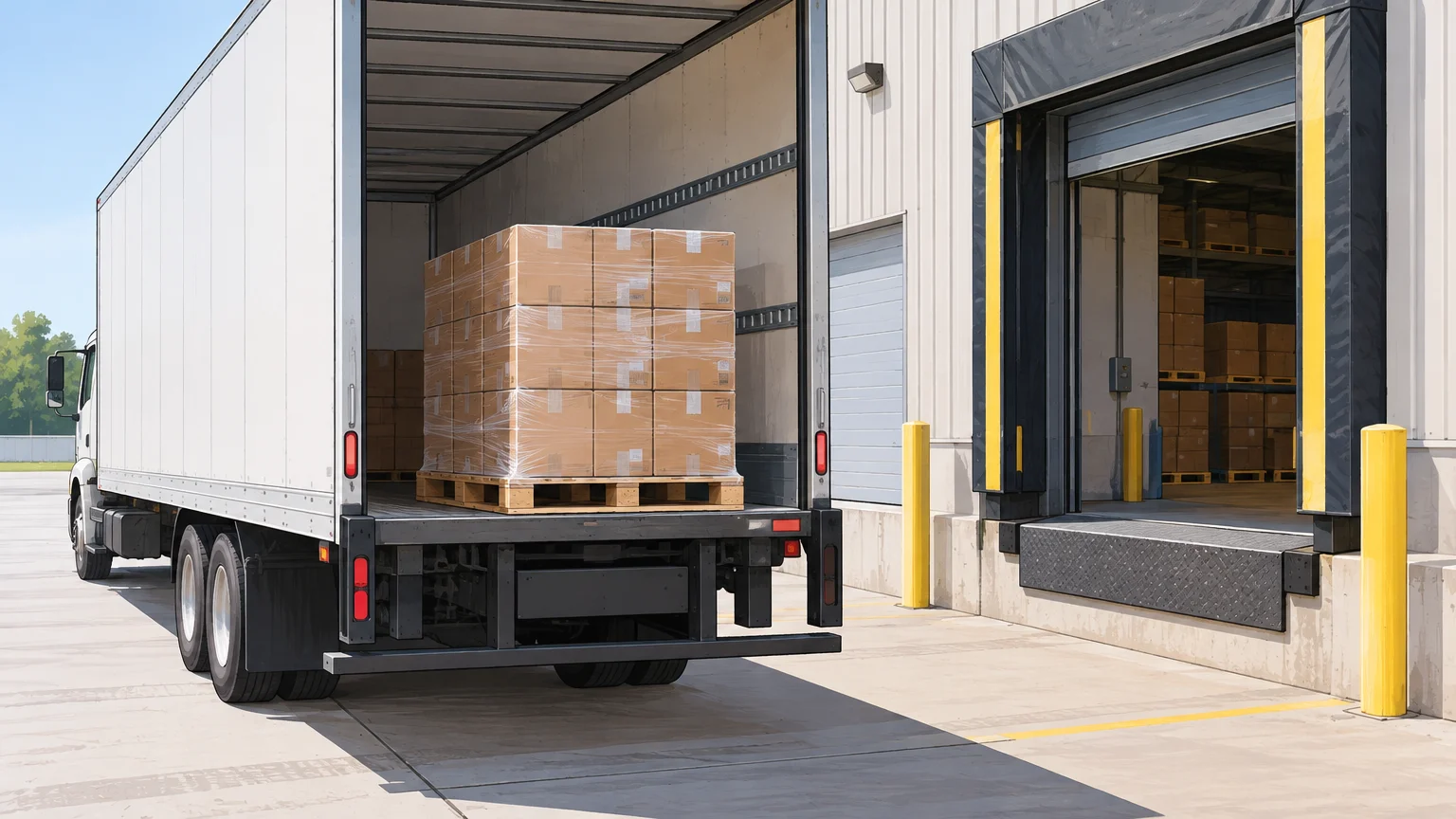
Picture a shipment arriving at the precise place named in the sales contract. The seller’s delivery obligation is met when the goods are available to the buyer on the arriving vehicle, ready for unloading. At that point, the risk of loss or damage transfers to the buyer.
Under DAP, the buyer handles unloading and import clearance, including applicable duties and taxes. The seller handles export clearance and pays for carriage to the named destination. The transport contract may include some unloading charges, so confirm how those charges are handled rather than assuming the delivery term settles every carrier invoice.
The US International Trade Administration’s Incoterms guidance explains that these rules allocate responsibilities for shipment activities, documentation, and customs clearance. For the buyer, the practical step is to confirm who will manage import formalities and whether that party is ready to act when the shipment arrives.
How do DAP and DDP differ?
Both terms require the seller to arrange carriage to a named destination, with delivery generally made ready for unloading. The main difference is import clearance: with DAP, the buyer handles import formalities and applicable duties and taxes; with DDP, the seller takes on those import responsibilities.
The UNECE trade facilitation guide also describes the buyer’s responsibility for import clearance and duties under DAP. Before agreeing to either term, consider whether the party assigned those tasks can manage the destination’s import process and any related costs.
If you are shipping inventory from China to an Amazon fulfillment destination, the choice affects who coordinates import handling. Our comparison of DAP vs. DDP for Amazon FBA focuses on that distinction for sellers. The right arrangement depends on your agreed sales terms and which party will handle import clearance.
What should your DAP contract specify?
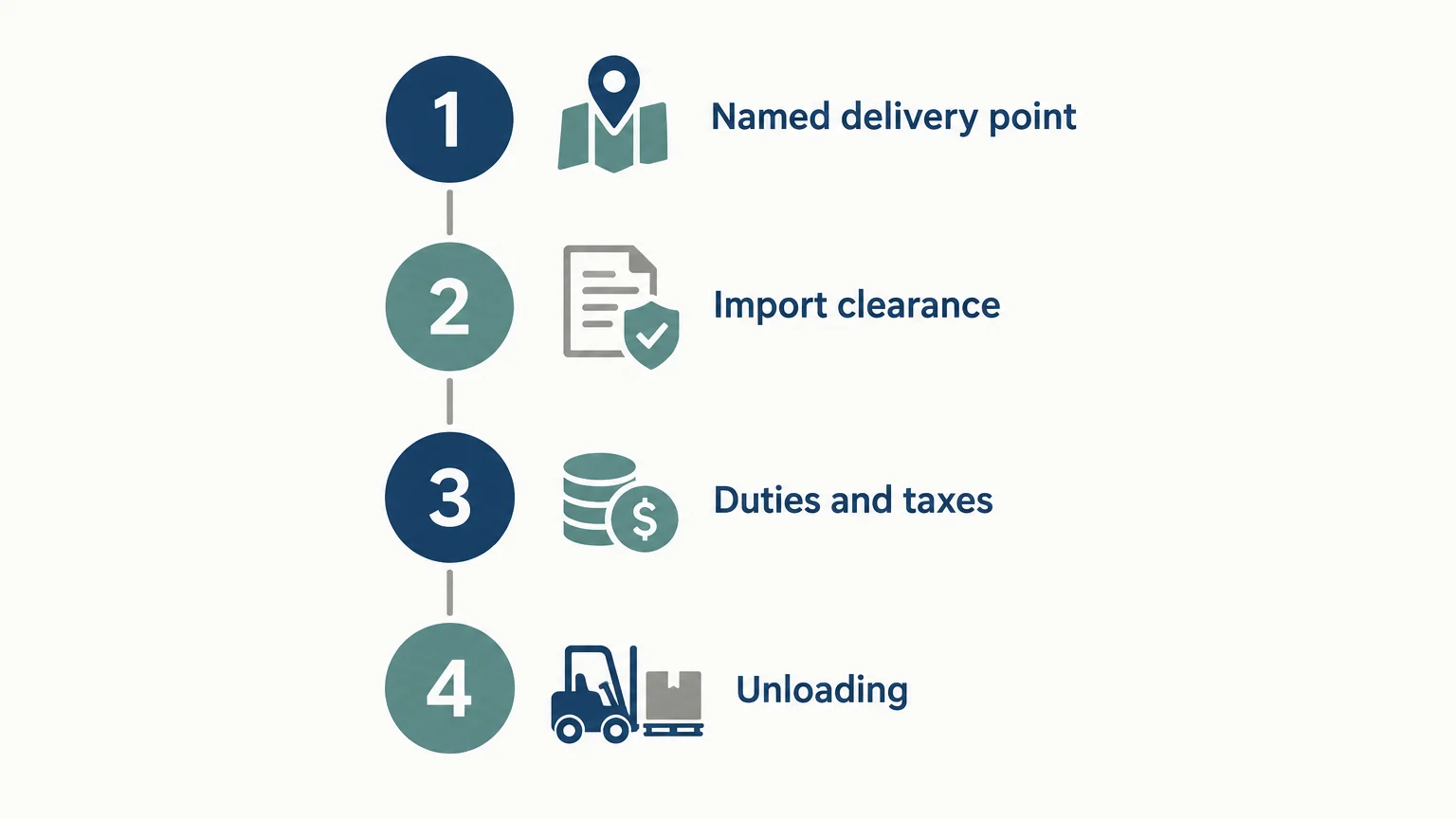
Before you sign, write the term with its named destination and edition, such as “DAP, [full delivery address and precise point], Incoterms® 2020.” Then confirm the practical details that the three-letter rule alone does not resolve for your shipment.
- Named destination: Identify the specific receiving point, not just the city or company.
- Import clearance: Confirm that the buyer or its appointed representative will handle the import process.
- Duties and taxes: Establish how the buyer will arrange and pay applicable import charges.
- Unloading: Confirm who will arrange unloading and how any carrier charges are treated.
Clear wording is particularly useful when the delivery point is a terminal or warehouse with several receiving areas. It gives both parties a shared reference for the handoff and helps the buyer plan for customs and unloading before arrival.
When might DAP suit a US importer?
DAP may suit a buyer with an established import process, a customs broker, and the ability to manage duties and taxes at destination. It keeps the seller responsible for arranging transport to the named place, while leaving import tasks with the buyer. If the buyer is not prepared to handle those responsibilities, discuss a different arrangement before the goods ship.
For shipments from China to Amazon warehouses, we coordinate supplier pickup, international freight, export declaration, destination customs handling, and delivery through our DDP Amazon FBA freight-forwarding service. Our Shenzhen-operated team provides shipment-specific route options and estimated timelines for sellers to compare. The standard Chinese export declaration is included; an additional fee applies when a declaration is made under the supplier’s name for a Chinese export tax refund.
Choose the term around the handoff
DAP assigns delivery to the seller up to the named destination, ready for unloading, then leaves unloading and import clearance with the buyer. Before agreeing, name the precise delivery point and confirm that the buyer can manage import procedures and charges. If the seller is expected to handle import clearance and duties, compare DDP and record the agreed term and edition clearly in the sales contract.
Plan Your China to Amazon FBA Shipment
When your shipping plan needs to cover more than the port-to-port journey, compare how transport, customs, duties, and final delivery will be handled. We coordinate China-to-Amazon FBA shipments, so you can assess route options alongside your delivery requirements.
Our freight forwarding service coordinates supplier pickup, international freight, Chinese export declaration, destination customs handling, DDP duties and taxes, door-to-door delivery, and tracking. Send shipment details to receive route options and estimated timelines for comparison. Explore our freight forwarding services to discuss your shipment requirements.
Frequently Asked Questions
Who pays import duties under DAP?
The buyer is responsible for import clearance and applicable import duties and taxes. Confirm who will manage those formalities before the shipment arrives.
When does risk transfer under DAP?
Risk transfers when the goods are placed at the buyer’s disposal at the named destination, still on the arriving vehicle and ready for unloading. Unloading happens after that handoff.
Does the seller unload goods under DAP?
No, DAP does not require the seller to unload the goods. The buyer is responsible for unloading, although the parties should clarify how any charges included in the transport contract will be treated.
Can DAP be used for shipments by air, ocean, or rail?
Yes. DAP can be used for different transport modes, including a shipment that combines modes, provided the parties clearly state the named destination.
Can a freight forwarder help with a DAP or DDP shipment?
A freight forwarder can coordinate transport and other agreed logistics tasks, but the sales contract should still identify which party handles import clearance and duties. For China-to-Amazon FBA shipments, we also coordinate DDP forwarding, including destination customs handling and door-to-door delivery.
Ready to Optimize Your Amazon Shipping?
Get 3 route options tailored to your products and timeline
Get Your Quote→