What an EXW Unit Price Includes in International Trade
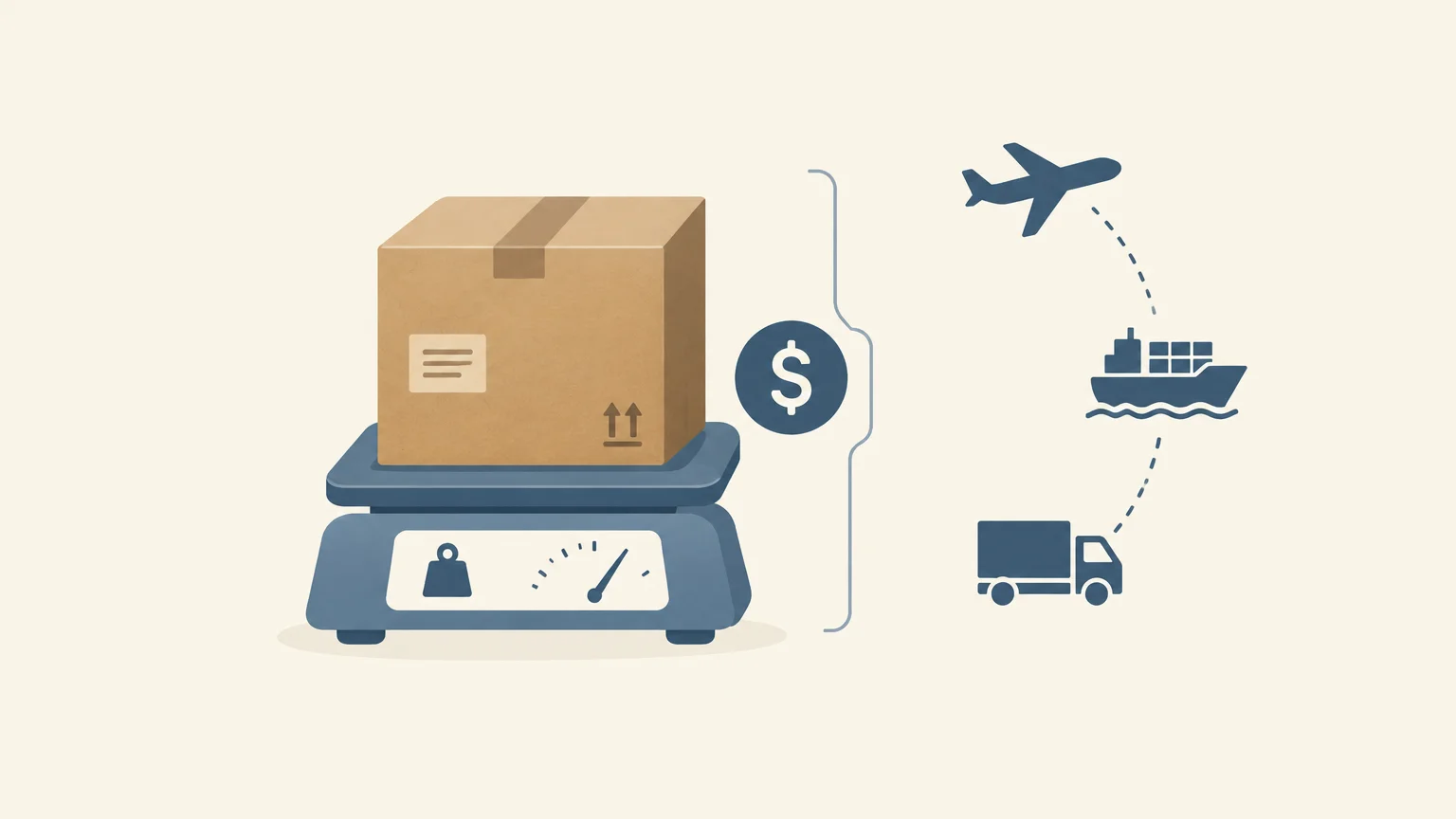
Summary: An EXW unit price is the agreed price per unit when goods are made available at the named seller location. It is not the cost of delivering those goods to your US destination. Under EXW, the buyer generally arranges and pays for pickup, onward transport, export and import formalities, and related charges. Compare suppliers using the total shipment cost per unit, not the EXW quote alone.
A supplier may quote $12 per unit under EXW, but that figure does not tell you what the goods will cost after international delivery. The EXW unit price identifies the agreed goods price at a named seller location, while you arrange the next stages. For the basic definition, read what an EXW price means.
For US importers, this distinction matters because EXW allocates collection, export arrangements, freight, insurance, and import handling differently from a delivered quote. Incoterms® clarify the buyer’s and seller’s logistics duties; they do not set the commercial price of a product. Treat the EXW figure as one input, then assess the complete shipment cost before comparing suppliers.
What does an EXW unit price include?
An EXW unit price is the agreed price for each unit of goods made available at the named place, usually the seller’s premises. The quote identifies the product amount, not a standard shipping rate. Under EXW Incoterms® 2020, the seller makes the goods available to the buyer at the agreed location.
In a typical EXW quote, the commercial amount centers on the goods and agreed packaging. Check the quotation and invoice for any separately listed items, because Incoterms do not determine the product price or payment terms. The ICC’s EXW guidance explains that transport, loading, customs, and optional insurance costs fall beyond the seller’s basic EXW price.
That distinction is useful when a supplier quote looks lower than a freight-inclusive offer. Before comparing them, confirm whether each quote uses the same product specification, quantity, packaging, currency, and named place. Our explanation of EXW price and its components can help you review the supplier’s quoted amount.
Who pays the costs after the EXW handoff?
Suppose your supplier makes cartons available at its factory. Under EXW, the seller’s delivery obligation is generally met there, and the buyer bears the costs and risks from that point. The buyer must arrange collection and transport. The seller is not required to load the collecting vehicle or clear the goods for export under the standard EXW rule.
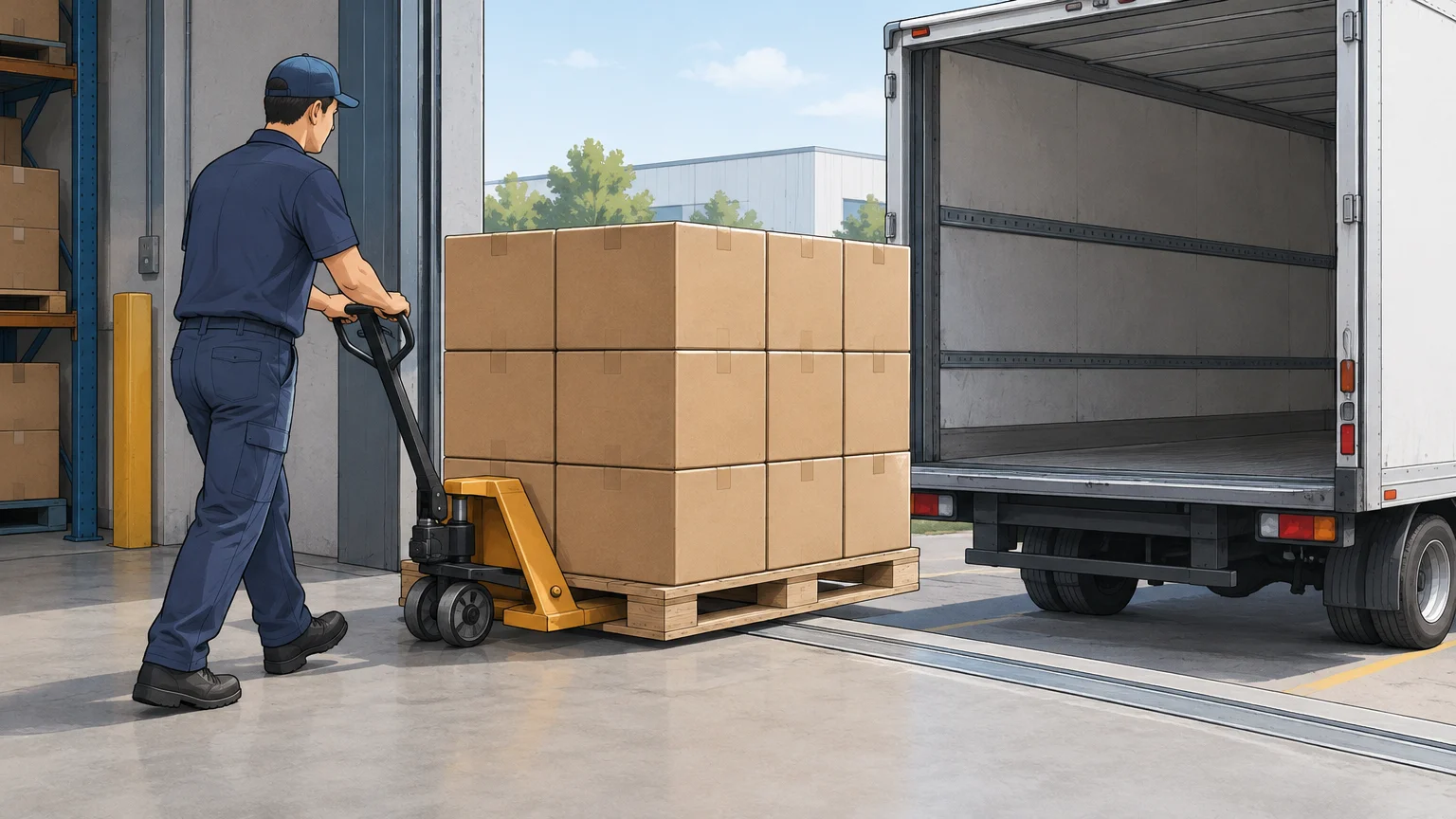
From the named place onward, the buyer typically arranges and pays for origin pickup, export formalities, international freight, and any insurance they choose. The buyer also handles import clearance, duties, taxes, and delivery from the destination point. The U.S. trade guidance describes Incoterms as a way to clarify which party handles shipping tasks, costs, and risks.
EXW does not mean the seller has no obligations at all. The seller still needs to make the contracted goods available at the agreed place and provide assistance with relevant information when required. Put the precise location and any separately negotiated loading or export support in the sales contract so both parties know what to expect.
How do you convert EXW into a per-unit cost?
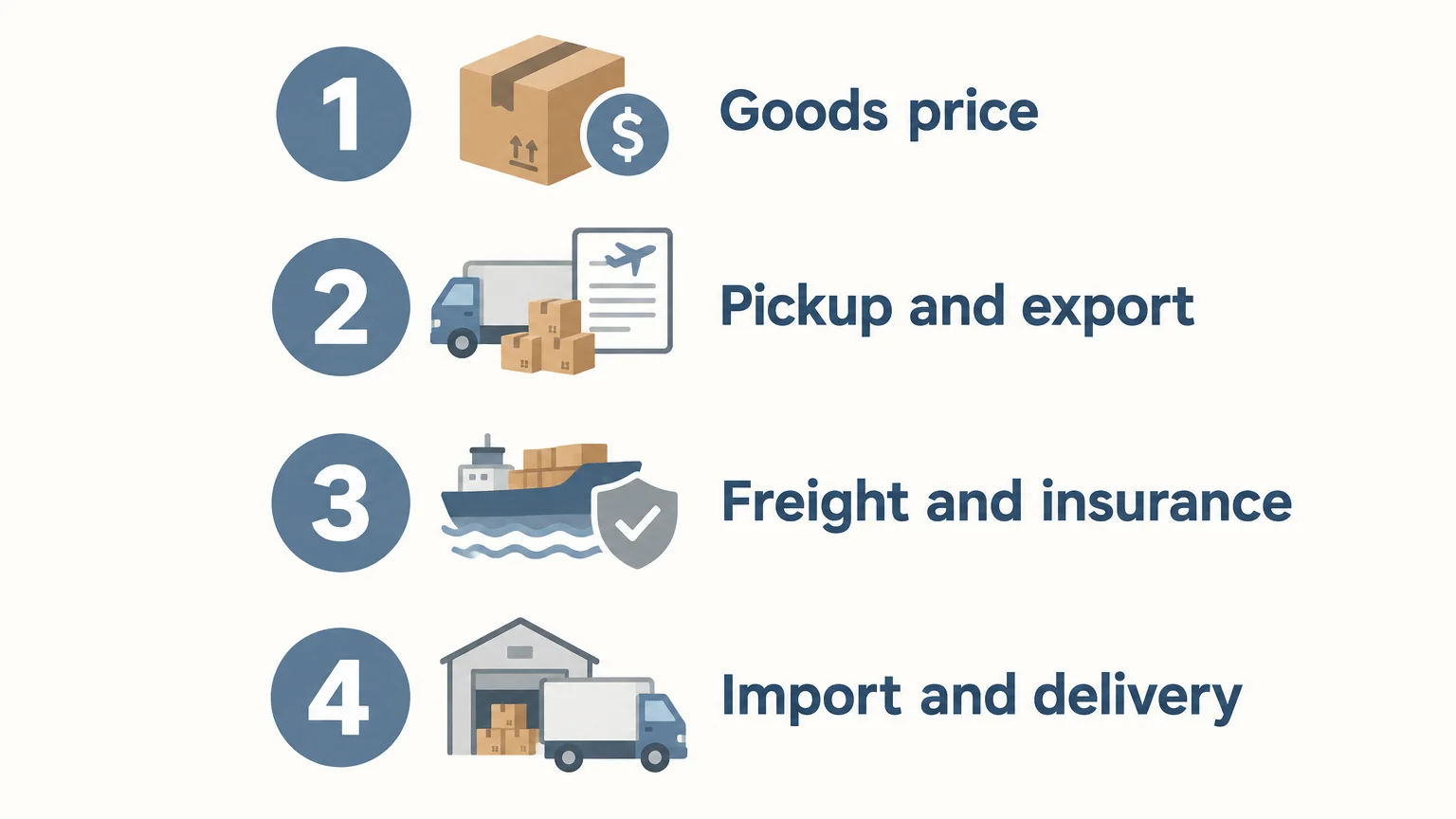
Start with the supplier’s unit amount, then add the buyer’s shipment and handling costs. Divide costs charged to the whole shipment by the number of units to estimate the added cost per unit. The landed cost per unit is the supplier’s unit amount plus its share of the costs required to get the goods to the intended destination.
For example, assume you buy 100 units at $12 each. The goods total $1,200. If pickup and export handling cost $180, international freight and insurance cost $600, and destination handling and delivery cost $220, the known total is $2,200, or $22 per unit. This simplified illustration excludes any duties, taxes, or other charges not listed.
Those amounts are example figures, not current market rates. The OECD price-basis manual explains that reported trade prices can include different transport, loading, and insurance costs. Keep the calculation transparent by listing each quote item and noting which costs remain unconfirmed.
What should you confirm before accepting an EXW quote?
Before placing an order, confirm the precise named pickup place and whether the quoted amount applies to each unit, carton, or another quantity. Check how the supplier will identify and package the goods, and agree who will load them. These details reduce the risk of treating an incomplete quote as a delivered price.
- Ask which charges are included in the supplier’s amount and which are billed separately.
- Confirm who will arrange loading and export clearance, and who will provide the documents your carrier needs.
- Request a written breakdown of pickup, freight, insurance if selected, destination handling, and delivery.
- Check whether customs duties and taxes are included or remain your responsibility.
For shipments from China to an Amazon warehouse, keep the supplier’s EXW amount separate from the forwarder’s shipment quote. We price routes according to shipment weight, volume, freight mode, destination, and handling needs. You can review our EXW shipping terms when comparing how each logistics stage is covered.
Compare the full cost, not just the unit quote
An EXW quote tells you the agreed goods price at a specified seller location; it does not tell you the complete cost of importing and delivering those goods. Confirm the named place, clarify who handles loading and export formalities, and collect shipment charges before comparing suppliers. Use the full cost per unit to assess your purchase, and leave unconfirmed charges visible in your calculation.
Get a shipment quote beyond your EXW unit price
If you are comparing a China supplier’s EXW quote with the cost of delivering inventory to an Amazon warehouse, separate the goods price from the logistics estimate. A shipment-specific quote lets you compare the route and handling costs alongside the supplier’s unit amount.
We coordinate supplier pickup, international freight, Chinese export declaration, destination customs clearance, duties and taxes under DDP, and door-to-door delivery. We provide three route options within 24 hours, with quotes based on shipment details and destination. Standard Chinese export declaration is included; an additional fee applies if the declaration is made under the supplier’s name for a Chinese export tax refund. Explore our freight forwarding services to request route options for your shipment.
Frequently Asked Questions
Is an EXW unit price the same as the total landed cost?
No. The EXW unit price is the agreed goods amount at the named seller location, while landed cost also includes the buyer’s applicable transport, handling, and import expenses.
Does an EXW quote include shipping?
Typically, it does not include onward shipping from the named place. Check the quotation for any separately agreed services or charges.
Who arranges export clearance under EXW?
Under the standard EXW rule, the buyer is responsible for export clearance. If arranging export formalities is difficult, discuss whether another term, such as FCA, would suit the transaction.
How do you calculate the shipping cost per unit?
Add the shipment’s relevant costs, then divide shared charges by the number of units. For China-to-Amazon shipments, our route-specific freight quote can help you assess the logistics costs separately from the supplier’s EXW amount.
Does EXW include import duties and taxes?
No, EXW does not include import duties and taxes in the supplier’s unit price. Include applicable import charges separately when estimating the full cost of your purchase.
Ready to Optimize Your Amazon Shipping?
Get 3 route options tailored to your products and timeline
Get Your Quote→